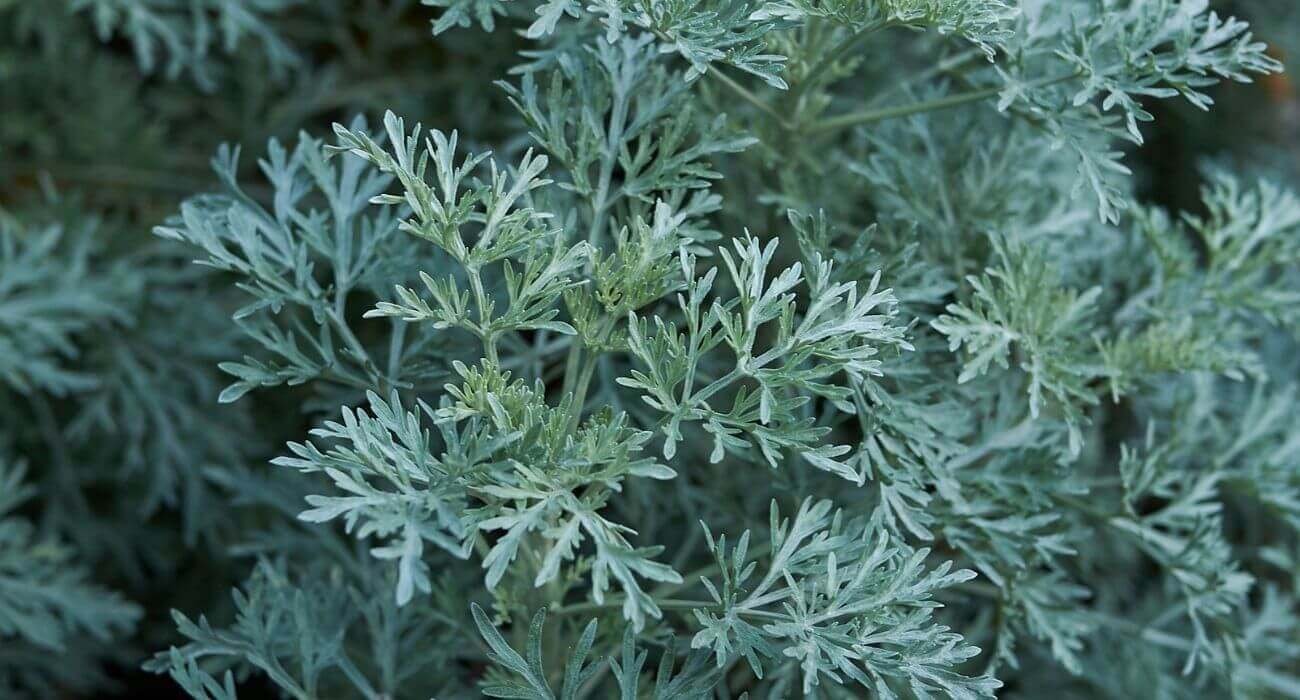
Wormwood tea may sound unfamiliar to some, but this powerful medicinal herb has been used for centuries in traditional medicine across Europe, Asia, and the Middle East. Scientifically known as Artemisia absinthium, wormwood is valued for its digestive, antiparasitic, and liver-supporting properties.
However, despite its benefits, wormwood must be used with caution, as improper or excessive use may cause adverse effects.
In this article, you’ll learn everything you need to know about wormwood tea: what it’s used for, its main benefits, how to prepare it safely, and important precautions to keep in mind.
This content does not replace medical advice.
What Is Wormwood?
Wormwood (Artemisia absinthium) is a perennial plant from the Asteraceae family, native to Europe and parts of Asia, but now cultivated worldwide. In English-speaking countries, it is commonly known as:
- Wormwood
- Absinthe herb
- Green ginger
- Old woman’s weed
The plant has silvery-green leaves, small yellow flowers, and a very strong, bitter aroma. Its intense bitterness is not accidental — it is directly linked to its medicinal compounds.
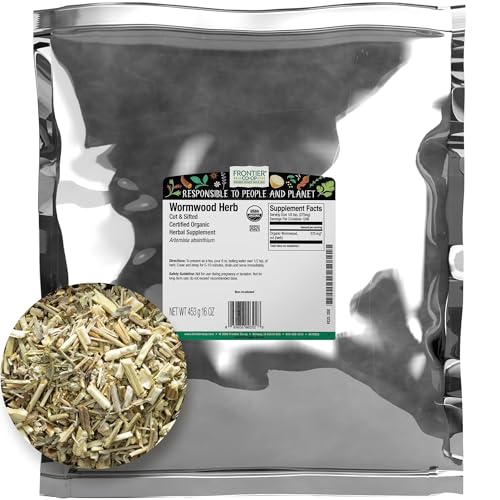
- Premium Wormwood Herb: Our wormwood herb is meticulously cultivated and processed to meet the highest organic standards,…
- Bitter And Aromatic: Wormwood herb is renowned for its intense bitterness, adding a distinctive flavor to beverages. It …
- Versatile Uses: Known for its essential oil content, our organic wormwood is widely used in teas and to flavor various l…
Medicinal Compounds in Wormwood
Wormwood contains several bioactive substances responsible for its therapeutic effects, including:
- Sesquiterpene lactones (such as absinthin)
- Flavonoids
- Essential oils (thujone, cineole, borneol)
Together, these compounds give wormwood the following properties:
- Digestive stimulant
- Appetite enhancer
- Antiparasitic (vermifuge)
- Antimicrobial
- Antispasmodic
- Anti-inflammatory
- Mild liver-supportive action
What Is Wormwood Tea Used For?
Wormwood tea has traditionally been used as a natural remedy for a variety of conditions. Below are its most common applications.
1. Digestive Support
Wormwood is best known for stimulating digestion. Its bitter compounds trigger the release of bile and digestive enzymes, helping to relieve:
- Bloating
- Gas
- Slow digestion
- Loss of appetite
It is often taken before meals to prepare the digestive system.
2. Natural Parasite Cleanse
Historically, wormwood has been used as a natural antiparasitic herb. It may help eliminate intestinal worms and parasites when used short-term and under proper guidance.
3. Relief from Cramps and Abdominal Pain
Thanks to its antispasmodic properties, wormwood tea can help reduce:
- Intestinal cramps
- Menstrual discomfort
- Digestive spasms
4. Support During Mild Infections and Fever
Wormwood has mild antimicrobial and fever-reducing effects and has been traditionally used during minor infections or flu-like conditions.
5. Liver and Gallbladder Support
By stimulating bile production, wormwood may assist the liver and gallbladder in fat digestion and detoxification processes. It is sometimes used in herbal detox protocols — always cautiously.
How to Prepare Wormwood Tea Safely
Wormwood must be used in small, controlled amounts, as one of its compounds (thujone) can be toxic in high doses.
Ingredients:
- 1 teaspoon dried wormwood leaves
- 1 cup (200 ml) hot water
Preparation Method:
- Bring the water to a boil.
- Turn off the heat once boiling begins.
- Add the wormwood leaves and cover.
- Let steep for 5–10 minutes only.
- Strain and drink.
Recommended Use:
- Maximum: 1 cup per day
- Preferably taken before meals
- Do not use for more than 7 consecutive days without professional guidance
For a deeper understanding of infusion temperatures and herbal preparation techniques, see our complete guide:
How to Prepare Medicinal Teas Correctly

- FAST BOILING: Chefman kettles boil water fast. Boil your water in as little as 3 minutes for tea, hot chocolate, pour-ov…
- LED INDICATOR LIGHTS: Easily see when your glass teapot is warming up! Blue LED lights illuminate when the water starts …
- STEEP LOOSE-LEAF TEA: With the stainless-steel removable tea infuser, you can steep a whole pot in our hot water kettle …
Other Traditional Uses of Wormwood
In addition to tea, wormwood may also be used in:
1. Herbal Tinctures
Alcohol-based extracts used in very small doses due to their potency.
2. Topical Compresses
Infusions applied externally to minor wounds or inflammatory skin conditions.
3. Herbal Baths
Traditionally used for muscle relaxation and menstrual discomfort.
Safety, Side Effects, and Contraindications
Despite its benefits, wormwood is not safe for everyone.
Do NOT use wormwood if you are:
- Pregnant or breastfeeding (risk of miscarriage)
- A child under 12 years old
- Diagnosed with epilepsy or seizure disorders
- Suffering from gastritis, ulcers, or severe acid reflux
- Taking medications that affect the liver
Possible Side Effects (especially with overuse):
- Nausea and vomiting
- Abdominal pain
- Nervous system overstimulation
- Seizures (in cases of overdose)
Wormwood should never be used long-term or in high doses.
Interesting Facts About Wormwood
- Wormwood is the main ingredient in absinthe, a historic alcoholic beverage once banned due to its psychoactive effects.
- In Traditional Chinese Medicine, related Artemisia species are used in moxibustion, a heat therapy technique.
- Ancient Greek and Roman physicians used wormwood as a digestive and cleansing herb.

- MEASUREMENTS AND BENEFITS: With a 6 inche diameter, this Granite Molcajete is perfect for preparing small to medium size…
- DURABLE CONSTRUCTION: Crafted from durable granite with a natural finish, this mortar and pestle set is easy to clean, o…
- FUNCTIONALITY & SIZE: With a 6 inche diameter, granite construction, and natural finish, this Molcajete Spice Grinder bl…
Herbs with Similar Effects to Wormwood
If you’re interested in bitter herbs with digestive and cleansing properties, you may also like:
- Boldo tea – liver and digestion support
- Mugwort (Artemisia vulgaris) – traditional women’s herb
- Carqueja tea – digestive and metabolic balance
Final Thoughts: A Powerful Herb That Requires Respect
Wormwood is one of the most potent herbs in traditional herbal medicine. Its benefits for digestion, parasite cleansing, and liver support are well documented — but so are its risks when misused.
When consumed responsibly, in small amounts and for short periods, wormwood tea can be a valuable natural ally. As with any strong medicinal herb, knowledge, moderation, and respect are essential.
Prepare your tea the right way
If you plan to use this plant to make tea, use the Nutritive Blog tea infusion timer. Proper infusion time helps preserve active compounds and ensures better results.
Author Box

Written by Alexandre Zorek, graduate in Business Administration and postgraduate in Botany.
A passionate lover of orchids, photography, and natural food — and father of Bianca and Beatriz — he shares reliable knowledge about plants, fruits, teas, and vegetables in a practical and accessible way.