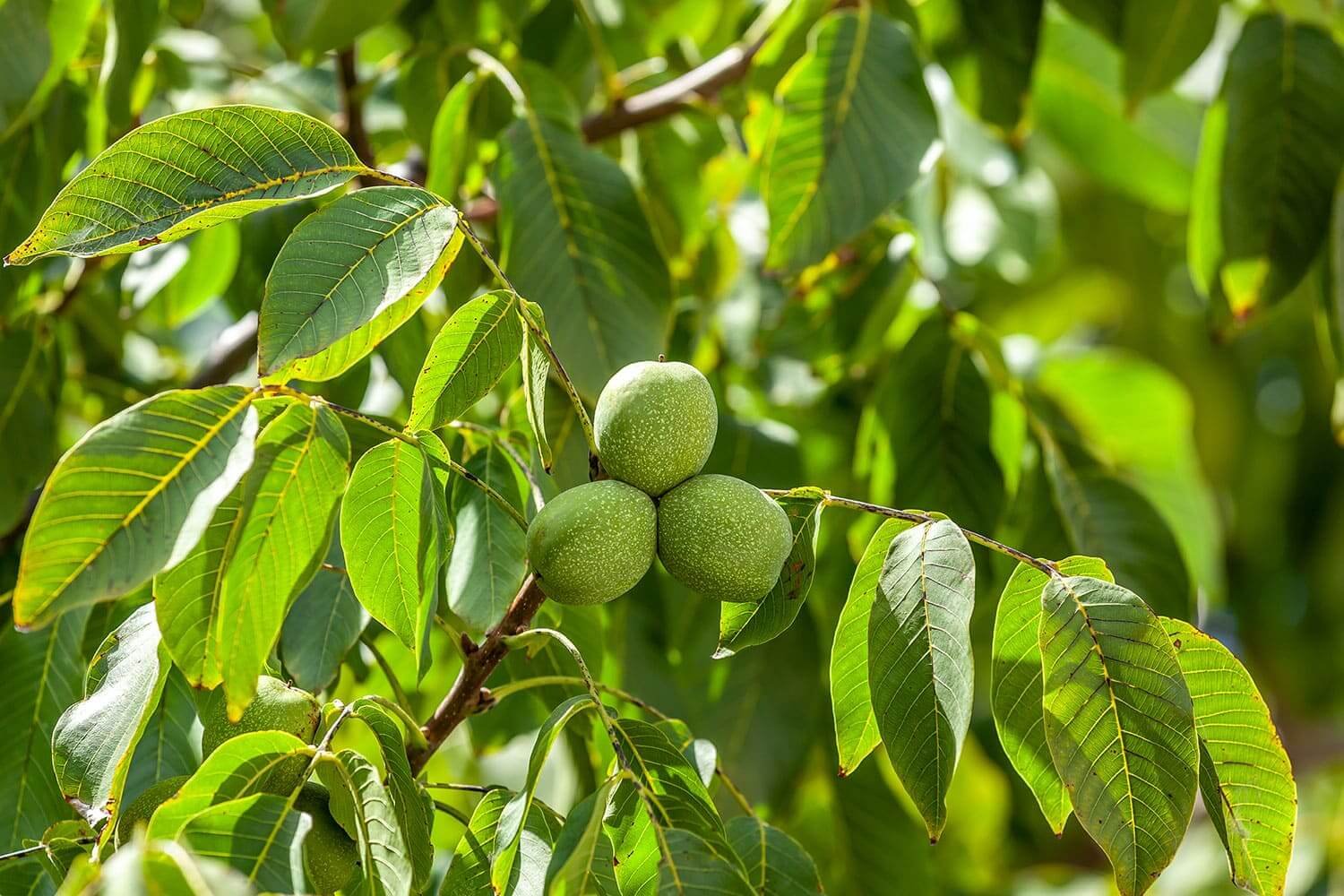
The walnut tree, a majestic species belonging to the Juglans genus, is widely known for its nutrient-dense nuts, which are commonly consumed and valued for their health benefits. What many people don’t realize, however, is that walnut leaves have also been traditionally used in herbal preparations, especially in teas, for their astringent, cleansing, and skin-supporting properties.
In this article, you’ll discover the main benefits of walnut leaf tea, how it has been traditionally used, how to prepare it correctly, and important safety considerations for responsible use.
⚠️ This content is for informational purposes only and does not replace professional medical advice.
What Is the Walnut Tree?
The walnut tree belongs to the Juglandaceae family and includes several species, with Juglans regia (English walnut) being the most well-known worldwide. Native to parts of Asia, the tree is now cultivated across Europe, North America, and other temperate regions.
Walnut trees can reach up to 80 feet (25 meters) in height and are prized for:
- Their nutritious nuts
- High-quality hardwood
- Leaves traditionally used in herbal infusions and external applications
In folk herbal traditions, walnut leaves have been used in teas, rinses, compresses, and baths due to their cleansing and protective properties.

- Wildcrafted Juglans Nigra Leaves: Harvested from naturally grown black walnut trees, this powder is made from carefully …
- Finely Ground for Ease of Use: The smooth, earthy texture of black walnut leaf powder makes it convenient for creating t…
- Rooted in Traditional Herbal Practices: For generations, black walnut leaves have held a place in folk herbal traditions…
Active Compounds Found in Walnut Leaves
Walnut leaves contain several bioactive compounds that explain their traditional uses:
- Juglone – known for antifungal and antibacterial activity
- Tannins – responsible for astringent and skin-toning effects
- Flavonoids – antioxidants that help protect cells
- Phenolic acids – contribute to immune and inflammatory balance
These compounds make walnut leaf tea especially valued for skin care, digestive comfort, and mild cleansing support.
Benefits of Walnut Leaf Tea
1. Supports Skin Health
Walnut leaf tea is traditionally used externally to help with acne, eczema, fungal skin issues, and mild irritations. Its astringent and antimicrobial properties help cleanse and soothe the skin.
2. Supports Digestive Balance
When consumed internally and in moderation, walnut leaf tea may have a mild laxative effect, helping with occasional constipation and digestive sluggishness.
3. Helps Control Excess Oil (Skin and Scalp)
Used as a hair rinse or skin wash, walnut leaf infusion may help reduce excess oil, support scalp health, and strengthen hair strands. Traditional use suggests it may also slightly darken gray hair over time.
4. May Help With Mild Diarrhea
Due to its tannin content, walnut leaf tea has an astringent effect that may help manage mild diarrhea when used responsibly.
5. Supports Urinary Tract Comfort
Walnut leaf tea has been traditionally consumed in small amounts to support urinary tract cleanliness, thanks to its antibacterial and anti-inflammatory properties.
How to Prepare Walnut Leaf Tea Correctly
Before preparing any herbal tea, it’s helpful to understand the difference between infusion, decoction, and maceration. If you’d like to learn more, see:
How to Prepare Herbal Teas Correctly
For walnut leaves, infusion is the preferred method.
Walnut Leaf Tea Recipe
Ingredients:
- 1 tablespoon dried walnut leaves
- 1 cup (250 ml) filtered water
Preparation:
- Heat the water until it reaches a gentle boil.
- Turn off the heat and add the walnut leaves.
- Cover and steep for 10–15 minutes.
- Strain and drink warm.
Recommended intake:
- 1 cup per day
- Use for up to 7 consecutive days
- Avoid long-term continuous use without professional guidance

- FAST BOILING: Chefman kettles boil water fast. Boil your water for as little as 3 minutes for tea, hot chocolate, pour-o…
- VARIABLE HEAT SETTINGS: Custom temperature control includes seven presets with boiling temps ranging from 160-212°F for …
- TRI-COLOR LED LIGHTS: Easily see when your glass teapot with infuser is in standby mode (white lights), heating mode (re…
External Uses of Walnut Leaf Tea
Walnut leaf tea is widely used externally due to its skin-supporting properties:
- Compresses: for eczema, fungal infections, itching, or minor wounds
- Sitz baths: traditionally used for external intimate discomfort
- Hair rinse: after shampooing, to reduce oiliness and strengthen hair
Always test on a small area of skin before broader application.
Contraindications and Safety Notes
Walnut leaf tea should be used with care and moderation.
Avoid use if you:
- Are pregnant or breastfeeding
- Are giving it to young children
- Have known allergies to walnut or related plants
Excessive internal use may cause irritation or toxicity due to the concentration of active compounds.
Always consult a healthcare professional before starting any herbal regimen.

- 【Pure Natural Marble】Made of marble, this mortar and pestle set features a textured interior for improved friction when …
- 【Unique existence】 Due to the change of the natural color of marble, each mortar and pestle is unique, (please allow a s…
- 【Easy to Clean】❤Please note: Due to its natural marble composition, there may be some powder initially. To fix this, gri…
Related Articles You May Enjoy
- How to Prepare Herbal Teas Correctly
- Mulberry Leaf Tea: Benefits and Uses
- Guaco Tea: Natural Support for Cough and Bronchial Health
Prepare your tea the right way
If you plan to use this plant to make tea, use the Nutritive Blog tea infusion timer. Proper infusion time helps preserve active compounds and ensures better results.
Author Box

Written by Alexandre Zorek
Administrator with postgraduate studies in Botany. Passionate about orchids, photography, and natural nutrition. Father of Bianca and Beatriz. Alexandre shares reliable, practical knowledge about herbs, teas, fruits, and vegetables in an accessible way.
Final Thoughts: Is Walnut Leaf Tea Worth Using?
Walnut leaves are a powerful but often overlooked part of the walnut tree. When used thoughtfully, walnut leaf tea can support skin care routines, digestive balance, and natural cleansing practices. As with all herbal teas, moderation, proper preparation, and awareness of contraindications are essential.
Used responsibly, walnut leaf tea can be a valuable addition to a natural wellness lifestyle.