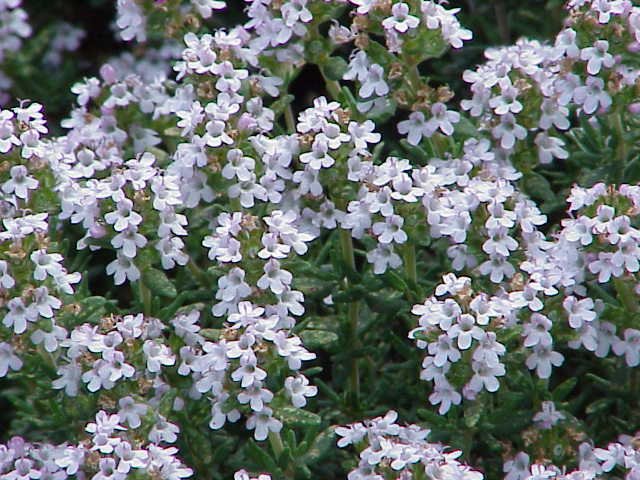
Thyme (Thymus vulgaris) is a well-known medicinal and culinary herb valued for its antimicrobial, anti-inflammatory, and expectorant properties. Used since ancient times by Mediterranean, Greek, and Roman cultures, thyme remains a powerful natural ally for supporting the immune system, respiratory health, and digestion.
In this article, you’ll learn about the benefits of thyme tea, how it works in the body, important safety considerations, and how to prepare it properly for therapeutic use.
⚠️ Disclaimer: This content is for educational purposes only and does not replace professional medical advice.
What Is Thyme?
Thyme is a perennial aromatic herb from the Lamiaceae family, native to the Mediterranean region. It has small, fragrant green leaves and is widely used in cooking and herbal medicine.
Its essential oil is rich in thymol, a compound responsible for many of thyme’s medicinal effects.
Despite the similar name, thyme (the plant) should not be confused with the thymus gland, which is part of the human immune system.
- 120-Count Thyme Tea Bags – 100% Natural Pesticide-Free for Daily Wellness Made with pure dried thyme leaves, no fillers …
- ☘️100% Problem Resolution. Exclusive After-Sales Support with Satisfaction Guarantee: Refund or Replacement ShipmentWe t…
Active Compounds and Nutritional Profile
Thyme contains a variety of bioactive compounds that explain its therapeutic value:
- Thymol – powerful antiseptic, antifungal, and antibacterial compound
- Carvacrol – antimicrobial and antioxidant
- Flavonoids (luteolin, apigenin) – anti-inflammatory and antioxidant
- Phenolic acids – combat oxidative stress
- Vitamins: A, C, and B-complex
- Minerals: iron, calcium, magnesium, potassium
Health Benefits of Thyme Tea
1. Respiratory Support
Thyme tea is traditionally used to relieve:
- Cough
- Colds and flu
- Bronchitis
- Sinus congestion
Its expectorant action helps loosen mucus and ease breathing.
2. Antimicrobial and Antiviral Action
Research shows that thymol and carvacrol are effective against bacteria, fungi, and some viruses, making thyme useful for respiratory and digestive infections.
3. Digestive Aid
Thyme stimulates digestive enzyme production and helps relieve:
- Gas and bloating
- Indigestion
- Intestinal cramps
- Post-meal discomfort
4. Anti-Inflammatory Properties
Regular consumption of thyme tea may help reduce inflammation, supporting relief from:
- Muscle aches
- Joint pain
- Mild rheumatic discomfort
- Inflammatory skin conditions
5. Immune System Support
Thyme acts as a natural immunomodulator, helping the body defend itself against pathogens, especially during seasonal illnesses.
6. Skin Health
Due to its antiseptic nature, thyme can be used externally (compresses or washes) to help with:
- Acne
- Minor wounds
- Skin infections
- Dermatitis

- 【Stovetop Safe】Our glass teapot are made of borosilicate lead-free glass that is scratch resistant and can withstand tem…
- 【Removable Infuser】This glass teapot has a removable glass infuser. This infuser is made of 18/8 stainless steel and has…
- 【Ergonomic Design】The glass tea kettle is specially designed for one-handed operation. This glass tea pot is designed li…
How to Prepare Thyme Tea
Ingredients
- 1 teaspoon dried thyme leaves
- 1 cup (200 ml) hot water
Instructions
- Bring water to a boil and remove from heat.
- Add thyme leaves to the hot water.
- Cover and steep for 10 minutes.
- Strain and drink.
Recommended intake:
2–3 cups per day, preferably warm.
👉 For best results, see our guide: How to Prepare Herbal Tea Properly
Other Ways to Use Thyme
Beyond tea, thyme can be used in several ways:
- Culinary seasoning: meats, vegetables, sauces, and breads
- Steam inhalation: for nasal congestion
- Baths or compresses: for localized inflammation or skin issues
- Tinctures and extracts: available in natural health stores
Contraindications and Safety Tips
Thyme is generally safe when used appropriately, but caution is advised in the following cases:
- Pregnancy and breastfeeding (use only with professional guidance)
- Children under 2 years old
- Active gastritis or stomach ulcers (may irritate the lining)
- Allergy to plants in the Lamiaceae family
⚠️ Important: Thyme essential oil should never be ingested undiluted, as high doses can be toxic.

- HIC Kitchen Mortar And Pestle Set: Includes 3 different porcelain mortars and pestles; versatile set for grinding spices…
- Durable Fine Porcelain: Set includes 3 mortar sizes (2.75-inches, 3.5-inches, and 5-inches) with coordinating pestles; s…
- Multiple Sizes For Every Task: Smaller mortars are ideal for spice blends, herbal remedies, and pill crushing; larger si…
Interesting Facts About Thyme
- The word Thymus comes from Greek and means “courage”
- Ancient Greeks associated thyme with bravery and strength
- Egyptians used thyme in embalming due to its antiseptic properties
- Thyme oil is still used today in natural mouthwashes and antiseptic products
Where to Find Thyme
Thyme is widely available:
- Health food stores and herbal shops
- Dried herb form for tea
- Essential oil (for external or aromatic use)
- Fresh plants for home gardens or pots
Bonus Tip: Grow Your Own Thyme
Thyme is easy to grow at home. It prefers:
- Full sun
- Well-drained soil
- Minimal watering
A small pot of thyme can become your own natural herbal pharmacy.
Related Herbal Teas You May Enjoy
Prepare your tea the right way
If you plan to use this plant to make tea, use the Nutritive Blog tea infusion timer. Proper infusion time helps preserve active compounds and ensures better results.
Author Box

Written by Alexandre Zorek, graduate in Business Administration, nutrition student, and postgraduate in Botany.
A passionate lover of orchids, photography, and natural food — and father of Bianca and Beatriz — he shares trustworthy and practical knowledge about plants, fruits, teas, and vegetables.