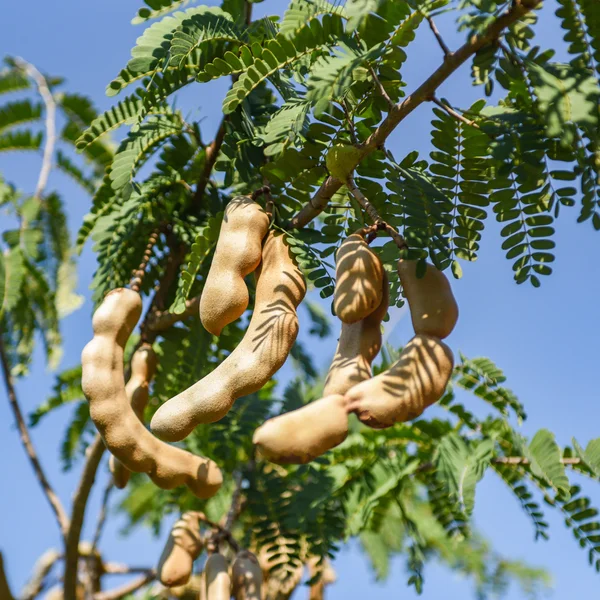
Tamarind (Tamarindus indica) is a plant widely used in both culinary traditions and natural medicine. Originally native to Africa, it is now cultivated throughout tropical regions of the world, including Latin America, Asia, and the southern United States. Tamarind produces a pod filled with a tangy, nutrient-rich pulp that has been valued for centuries for its flavor and health-supporting properties.
In this article, you’ll learn about the health benefits of tamarind, its medicinal properties, how to prepare tamarind tea, and other traditional ways to use this versatile plant.
⚠️ Disclaimer: This content is for educational purposes only and does not replace professional medical advice.
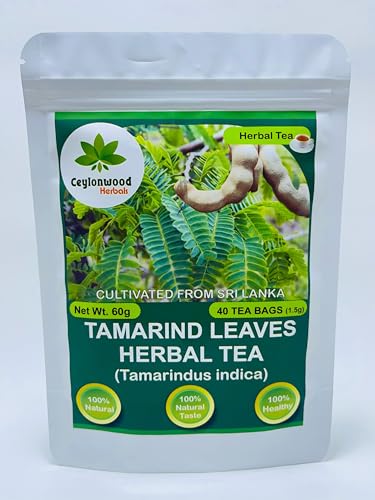
- ✅ 100% Natural & Pure – Made from carefully selected tamarind leaves with no additives or preservatives.
- ✅ Smooth & Refreshing Flavor – Enjoy a naturally earthy taste with every sip.
- ✅ Caffeine-Free Herbal Infusion – A great alternative to traditional teas, perfect for any time of day.
Health Benefits of Tamarind
Tamarind offers a wide range of benefits when consumed in moderation as part of a balanced diet.
1. Digestive Support
Tamarind pulp has mild laxative properties, making it helpful for occasional constipation. It also stimulates bile production, which supports the digestion of fats and improves overall digestive comfort.
2. Antioxidant Action
Rich in polyphenols and flavonoids, tamarind helps neutralize free radicals, supporting cellular health and helping reduce oxidative stress associated with aging.
3. Cholesterol Management
Some studies suggest that regular tamarind consumption may help lower LDL (“bad”) cholesterol while supporting healthy HDL levels, contributing to cardiovascular health.
4. Anti-Inflammatory Properties
Tamarind contains bioactive compounds with anti-inflammatory activity, which may help relieve joint discomfort and mild inflammatory conditions when used as part of a healthy lifestyle.
5. Antibacterial Activity
Traditional use and preliminary research indicate that tamarind pulp, leaves, and seeds may exhibit antibacterial effects, supporting the body’s natural defenses.
6. Blood Sugar Support
Tamarind may help regulate blood glucose levels by slowing carbohydrate absorption, making it a supportive option for people seeking better glycemic balance.
7. Liver Support
Tamarind contains compounds with hepatoprotective properties, which help support the liver’s natural detoxification processes.
Medicinal Properties of Tamarind
Tamarind is nutritionally dense and rich in beneficial compounds:
- Vitamins: B-complex vitamins, including thiamine, niacin, and riboflavin
- Minerals: Potassium, magnesium, iron, and phosphorus
- Dietary fiber: Supports intestinal regularity
- Bioactive compounds: Tartaric acid, lupeol, limonene, and polyphenols
These components work together to support digestion, metabolism, and overall wellness.

- 【Stovetop Safe】Our glass teapot are made of borosilicate lead-free glass that is scratch resistant and can withstand tem…
- 【Removable Infuser】This glass teapot has a removable glass infuser. This infuser is made of 18/8 stainless steel and has…
- 【Ergonomic Design】The glass tea kettle is specially designed for one-handed operation. This glass tea pot is designed li…
How to Prepare Tamarind Tea
Tamarind tea can be prepared using either the pulp or the leaves of the plant.
Ingredients
- 1 tablespoon tamarind pulp or 5 fresh tamarind leaves
- 1 cup (250 ml) filtered water
Preparation
- Bring the water to a boil.
- Add the tamarind pulp or leaves.
- Turn off the heat and cover.
- Steep for 10 minutes.
- Strain and drink warm.
Tip: Avoid refined sugar. If needed, use a natural sweetener such as stevia.
👉 Learn more: How to Prepare Herbal Tea Properly
Other Ways to Use Tamarind
Tamarind is highly versatile and can be used in several traditional ways:
- Culinary use: Sauces, soups, marinades, desserts, and chutneys
- Tamarind juice: Refreshing and mildly diuretic
- Leaf compress: Applied externally for muscle discomfort or swelling
- Natural syrup: Tamarind pulp simmered with honey, traditionally used to soothe coughs
Precautions and Contraindications
While tamarind is generally safe for most people, some precautions apply:
- Excessive consumption may irritate the stomach in individuals with gastritis
- May interact with anticoagulant medications
- Pregnant individuals should consult a healthcare professional before regular use
Moderation is key, especially when using tamarind for medicinal purposes.
- This decorative mortar and pestle set can also be used as a decor piece on your kitchen counter due to its great craftma…
- Useful Kitchen Tool, Ideal for Cooking, Practical, and Easy to Maintain
- Mortar can easily be made with pestle and crushed garlic, ginger, vanilla, pepper, black cumin, walnut fruits, almonds, …
Recommended Related Articles
- Raspberry Leaf: Benefits and Uses
- Guava Leaf Tea: How to Prepare and Benefits
- Plantain: A Powerful Medicinal Herb
Prepare your tea the right way
If you plan to use this plant to make tea, use the Nutritive Blog tea infusion timer. Proper infusion time helps preserve active compounds and ensures better results.