Sunflowers are much more than vibrant ornamental plants. Beyond their iconic yellow blooms that follow the sun, sunflowers (Helianthus annuus) are a valuable natural resource with a long history of traditional medicinal use. Sunflower tea—prepared from its leaves or petals—has gained attention in natural health practices for its potential wellness benefits.
In this article, you will learn which parts of the sunflower are used in herbal medicine, the main benefits of sunflower tea, how to prepare it properly, what it is traditionally used for, possible side effects, contraindications, and practical tips for safe use.
⚠️ This content is for educational purposes only and does not replace professional medical advice.
Origin and Interesting Facts About Sunflowers
The sunflower is native to North America and was cultivated by Indigenous peoples thousands of years ago, both as a food source and for traditional medicinal purposes. Today, it is grown worldwide, mainly for its seeds and oil.
One fascinating characteristic of sunflowers is heliotropism—young plants follow the movement of the sun from east to west throughout the day. Sunflowers also play an important role in biodiversity, attracting pollinators such as bees and birds.
Which Parts of the Sunflower Are Used Medicinally?
Several parts of the sunflower plant are used in traditional herbal practices:
- Leaves: Known for mild diuretic and anti-inflammatory properties
- Petals: Rich in antioxidants and bioactive compounds
- Seeds: Highly nutritious, containing healthy fats, protein, and minerals
- Stalk and roots: Less commonly used but contain additional phytochemicals
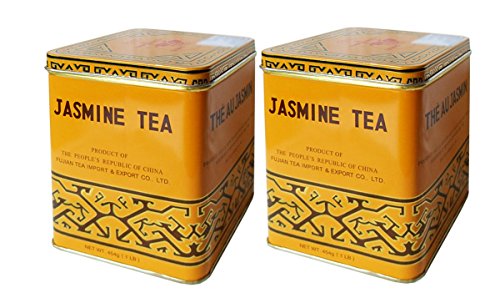
- This Jasmine Tea is a choice of most chinese restaurants because of the high quality leaves and petals.
- Captivating floral taste
- Fresh taste
Health Benefits of Sunflower Tea
Sunflower tea offers a variety of potential health benefits when consumed responsibly.
1. Anti-Inflammatory Properties
Traditionally used to help reduce internal and external inflammation, sunflower tea may support relief from joint discomfort, mild rheumatic pain, and throat irritation.
2. Immune System Support
Sunflower petals and leaves contain antioxidants such as flavonoids, vitamin E, and selenium, which help protect cells from oxidative stress and support immune health.
3. Fever Reduction
In folk medicine, sunflower leaf tea has been used as a mild natural antipyretic to help lower low-grade fevers.
4. Respiratory Support
The tea may help ease symptoms of colds, mild bronchial irritation, and nasal congestion due to its soothing and expectorant effects.
5. Gentle Calming Effect
When consumed warm, sunflower petal tea may promote relaxation and help with mild sleep disturbances.
6. Digestive Support
Sunflower tea can stimulate appetite and support digestion, with a mild laxative effect in some individuals.
How to Prepare Sunflower Tea Properly
Correct preparation is essential to preserve the plant’s beneficial compounds.
Ingredients
- 1 tablespoon dried sunflower petals or leaves
- 1 cup (250 ml) filtered water
Preparation Method
- Bring the water to a boil.
- Turn off the heat and add the sunflower petals or leaves.
- Cover and let steep for 10 minutes.
- Strain and drink while warm.
For more details on ideal temperatures and infusion methods, see our guide:
How to Prepare Herbal Tea the Right Way

- ☕Humanized design:The 1200ml teapot has a large capacity and a water level scale is added on the surface. The teapot spo…
- ☕Multiple functions: The teapot is suitable for making a variety of different drinks, tea, coffee, herbs, etc. The teapo…
- ☕Safe teapot: It is composed of lead-free high borosilicate glass, using food-grade 304 stainless steel filter screen, w…
What Is Sunflower Tea Traditionally Used For?
In addition to the benefits listed above, sunflower tea is traditionally used to support:
- Cold and flu symptoms
- Headaches and sore throat
- Digestive discomfort
- Fluid retention
- Mild rheumatic pain
- Skin and hair health support
How to Consume Sunflower Tea
Sunflower tea can be consumed once or twice daily, preferably between meals. Avoid sweetening with refined sugar. If needed, use honey or a natural sweetener.
Sunflower seeds can also be included in the diet as snacks, in granola, salads, or baked goods.
Contraindications and Possible Side Effects
Although sunflower tea is generally considered safe, it may not be suitable for everyone.
Avoid use if you:
- Are pregnant or breastfeeding (unless advised by a healthcare professional)
- Have known sensitivity or allergy to sunflowers
- Use anticoagulant medications
Excessive consumption may cause mild digestive discomfort or diarrhea in sensitive individuals.
Growing Sunflowers at Home for Herbal Use
Sunflowers can be easily grown in large pots or directly in garden soil with full sun exposure. When harvesting leaves or petals for tea, choose healthy plants free from pesticides. Dry the plant material in the shade and store it in airtight containers.

- 【High-Quality Stone】Our products are made of natural high-quality marble, artificially polished and polished on the outs…
- 【Kitchen Essentials】Select natural marble, more durable and not rusty than stainless steel mortar, healthier than wooden…
- 【Special Gift】In order to make it more convenient for customers to use, we add accessories such as spoons, brushes, and …
Is Sunflower Oil Also Medicinal?
Yes. Cold-pressed sunflower oil is rich in vitamin E and is often used in massage for its anti-inflammatory and skin-nourishing properties. When used internally, it is considered a heart-friendly cooking oil.
Combining Sunflower Tea With Other Herbs
Sunflower tea can be blended with other herbs to enhance its effects:
- Chamomile for deeper relaxation
- Ginger for immune support
- Lemongrass to aid digestion
Recommended Reading
To continue exploring medicinal teas, you may enjoy:
These related articles help deepen your understanding of herbal wellness.
Prepare your tea the right way
If you plan to use this plant to make tea, use the Nutritive Blog tea infusion timer. Proper infusion time helps preserve active compounds and ensures better results.
Conclusion
Sunflowers are powerful and versatile plants that go far beyond ornamental beauty. Sunflower tea can be a gentle, natural ally for reducing inflammation, easing cold symptoms, and supporting overall well-being. When used responsibly, it offers a simple way to incorporate traditional herbal wisdom into your daily routine.
Author Box
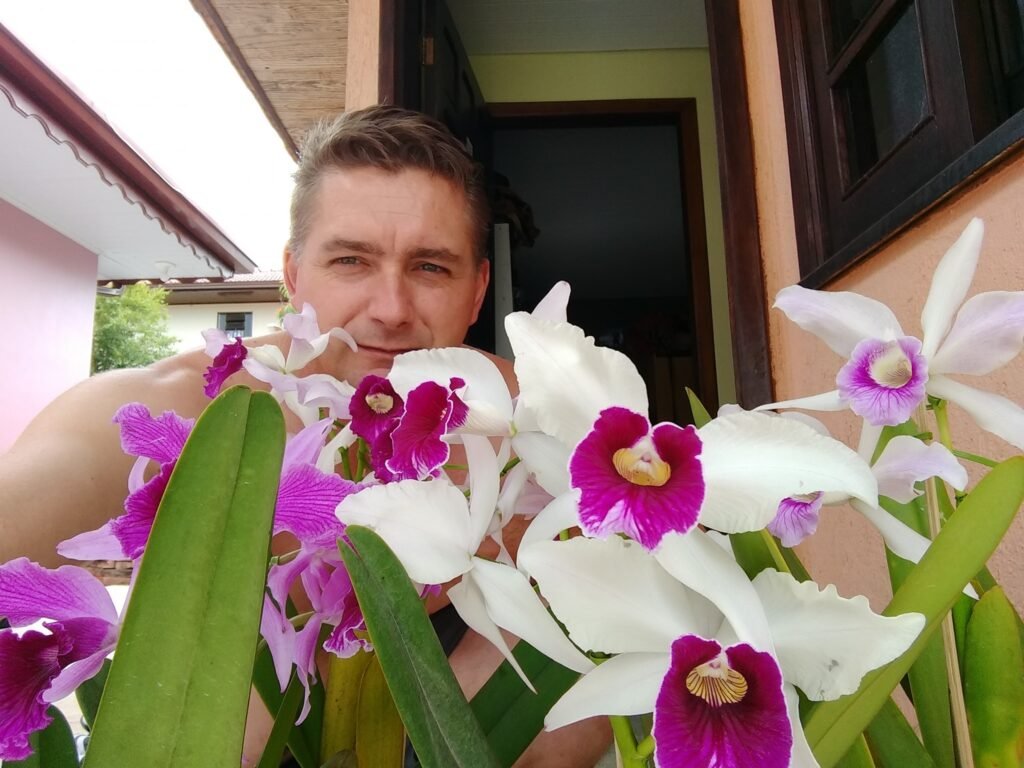
Written by Alexandre Zorek
Administrator with postgraduate studies in Botany. Passionate about medicinal plants, natural nutrition, orchids, and photography. Father of Bianca and Beatriz. Alexandre shares reliable, practical knowledge about herbs, teas, fruits, and vegetables in a clear and accessible way.