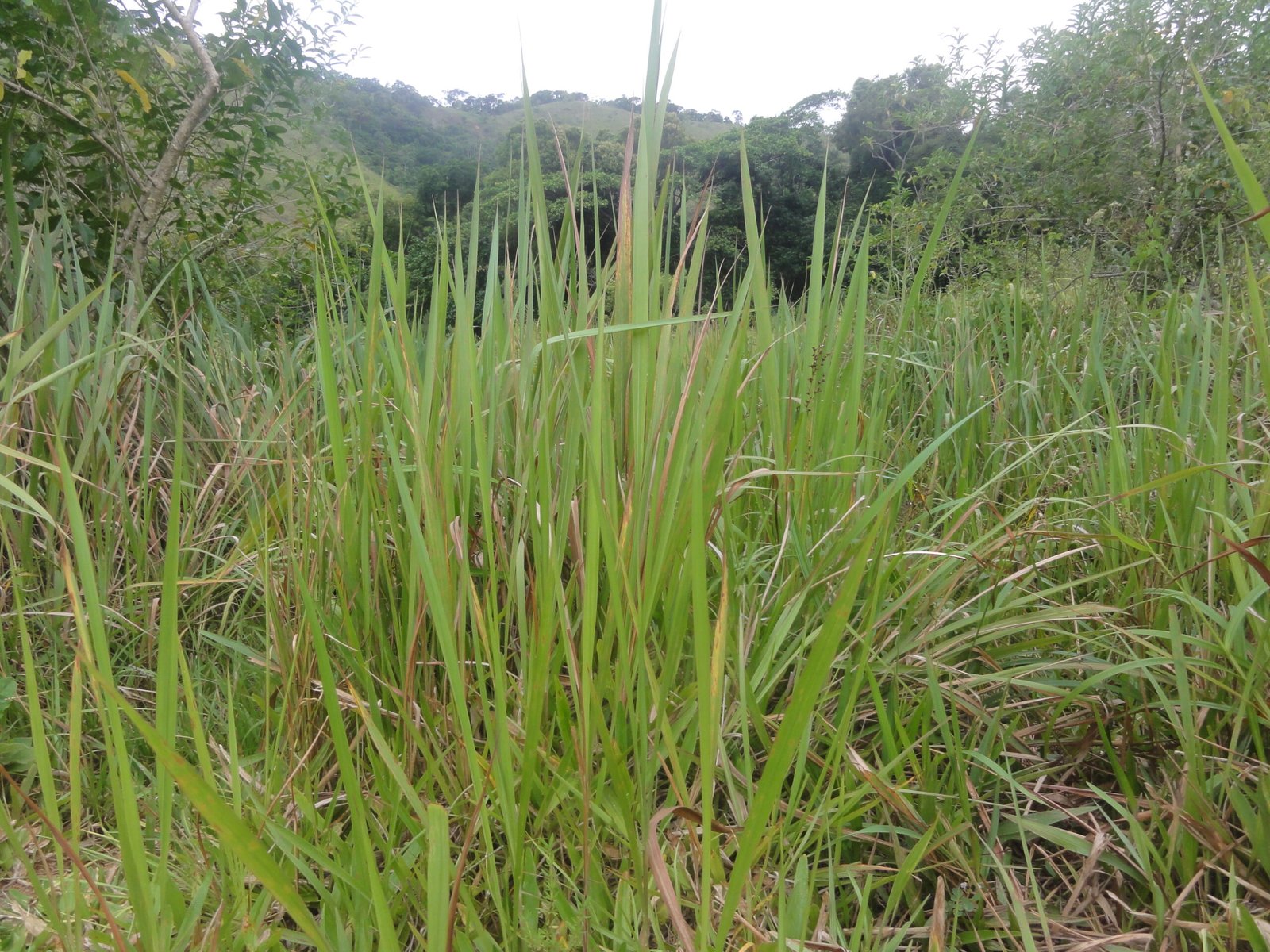
Sape grass (Imperata brasiliensis) is a hardy perennial plant traditionally known for its use in thatched roofs and rural construction in Brazil. However, beyond its architectural role, sape grass has long been used in Brazilian folk medicine, especially for its diuretic, cleansing, and urinary-supporting properties.
Sape grass tea is commonly prepared from the plant’s roots and has been traditionally used to support kidney health, promote fluid elimination, and assist in mild urinary tract conditions.
In this article, you’ll learn about the main benefits of sape grass tea, how to prepare it correctly, safety precautions, and how it fits into a natural wellness routine.
⚠️ Disclaimer: This content is for educational purposes only and does not replace professional medical advice.
What Is Sape Grass?
Sape grass (Imperata brasiliensis) is a perennial grass that grows naturally in open fields, grasslands, and along roadsides in tropical and subtropical regions of South America. It belongs to the Poaceae family, the same botanical family as corn and other grasses.
The plant is easily recognized by its long, narrow leaves and extensive root system. In traditional herbal practices, the root is the part most commonly used for medicinal tea preparations.
Although it is not widely studied in modern phytotherapy, sape grass remains valued in traditional Brazilian medicine and is still used by rural and traditional communities.

- ENJOY YOURSELF: The perfect way to enjoy a cup of fresh brew tea! Filter your favorite loose tea leaves with our easy to…
- EXCELLENT QUALITY: Made of good quantity 304 grade stainless steel, long lasting durability for a long time use.
- EASY TO USE: Designed with a hook and long chain to clasp on tea cup or pot for easy retrieval and removal when the tea …
Medicinal Properties of Sape Grass Tea
Tea prepared from the dried roots of sape grass is traditionally associated with the following benefits:
1. Natural Diuretic
Sape grass tea is widely used to stimulate urine production, helping the body eliminate excess fluids. This may be helpful for individuals experiencing water retention or mild swelling.
2. Urinary Tract Support
By increasing urine flow, sape grass tea may help flush bacteria from the urinary tract, acting as a supportive remedy for mild urinary discomfort or infections.
3. Detoxifying and Cleansing Effect
In traditional use, sape grass is believed to help “cleanse the blood” by supporting the body’s natural detoxification processes, especially when combined with other cleansing herbs.
4. Support for Mild Kidney Issues
Sape grass tea has historically been used as a complementary aid for small kidney stones, helping facilitate their elimination through increased urination.
5. Blood Pressure Support
Because of its diuretic action, sape grass tea may contribute to mild blood pressure reduction, as excess fluid elimination can decrease blood volume and arterial pressure.
How to Prepare Sape Grass Tea
Sape grass tea is traditionally prepared using the dried roots of the plant through a decoction method.
Ingredients
- 1 tablespoon dried sape grass root
- 2 cups (500 ml) water
Preparation
- Bring the water to a boil.
- Add the dried sape grass root.
- Boil for 5 to 10 minutes.
- Turn off the heat, cover, and let steep for another 10 minutes.
- Strain and drink warm or at room temperature.
Traditional recommendation: Up to 2 cups per day, for no longer than 7 consecutive days, to avoid kidney strain.
👉 See the complete guide: How to Prepare Herbal Tea Properly

- 【Stovetop Safe】Our glass teapot are made of borosilicate lead-free glass that is scratch resistant and can withstand tem…
- 【Removable Infuser】This glass teapot has a removable glass infuser. This infuser is made of 18/8 stainless steel and has…
- 【Ergonomic Design】The glass tea kettle is specially designed for one-handed operation. This glass tea pot is designed li…
Safety Precautions and Contraindications
When used in moderation, sape grass tea is generally considered safe. However, some precautions are important:
- Pregnant or breastfeeding individuals: Avoid use unless advised by a healthcare professional
- People with low blood pressure: Use with caution, as the tea may further lower blood pressure
- Prolonged use: Extended consumption may lead to electrolyte imbalance due to excessive fluid loss
- Medication interactions: Consult a healthcare provider if you are taking diuretics or blood pressure medications
How to Enhance the Effects
Sape grass tea is often combined with other herbs that have similar properties:
- With horsetail: For enhanced diuretic action
- With dandelion: To strengthen detoxifying effects
- With stonebreaker (chanca piedra): For kidney stone support
You may enjoy these related articles:
- Stonebreaker Tea (Chanca piedra): Benefits and How to Prepare It
- Dandelion Tea: Uses and Health Benefits
- Horsetail Tea: What It’s Used For and How to Make It
Prepare your tea the right way
If you plan to use this plant to make tea, use the Nutritive Blog tea infusion timer. Proper infusion time helps preserve active compounds and ensures better results.

- WHAT IS INCLUDED – 1x Mortar and Pestle. Comes along with the RADICALn secure and fragile packaging.
- MATERIAL – It is made of high quality of natural marble.
- SIZE – HEIGHT: 2.5″ Inches & WIDTH: 2.5″ Inches
Final Thoughts
Sape grass tea is a traditional herbal remedy valued for its diuretic, cleansing, and urinary-supporting effects. With centuries of folk use, it remains a natural option for those seeking gentle internal cleansing and fluid balance—when used responsibly and in moderation.
If you enjoy learning about medicinal plants, explore more articles on the Nutritive Blog and discover how nature can support your well-being naturally.