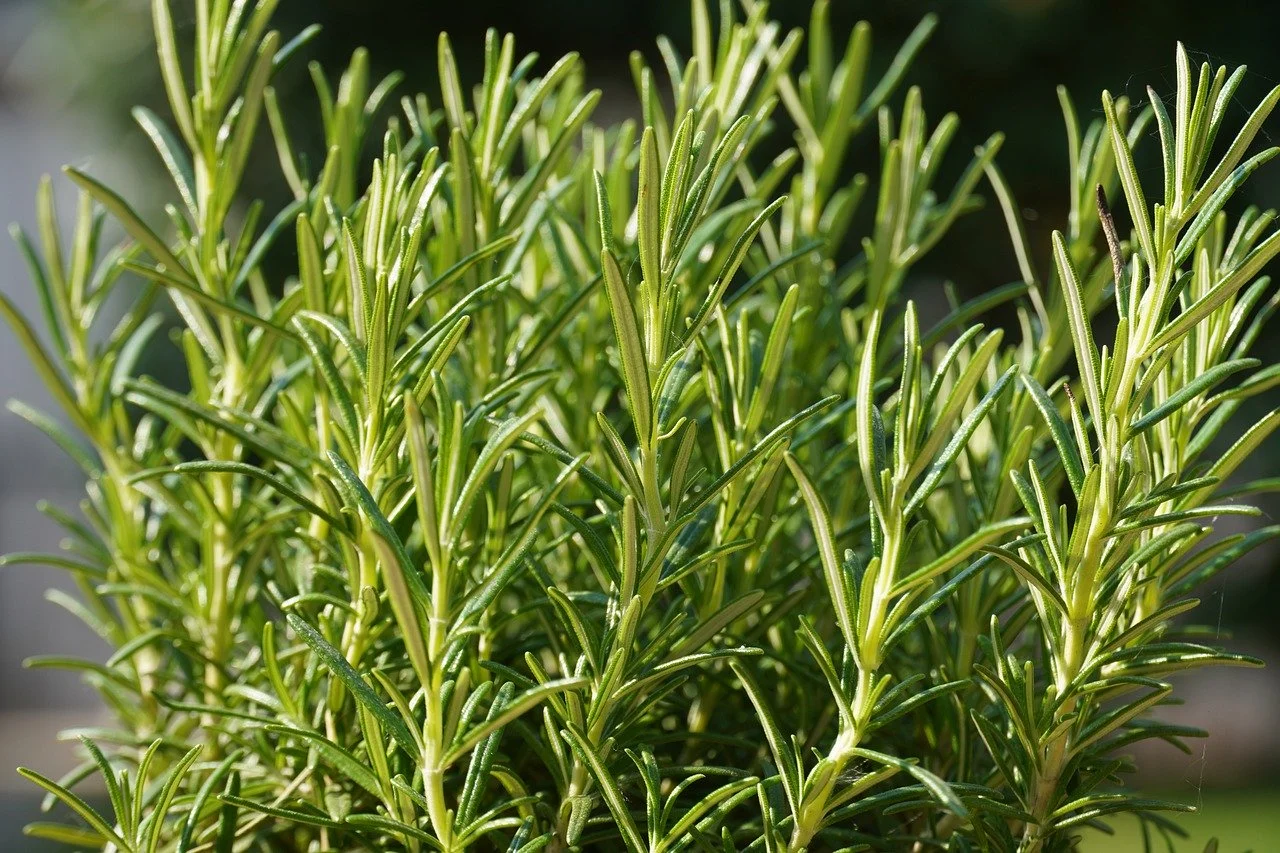
Rosemary tea (Rosmarinus officinalis) is one of the most beloved herbal infusions in both cooking and folk culture, prepared from the plant’s fragrant leaves.
With its strong aroma and slightly bitter taste, it has delighted generations — enjoyed as both a beverage and an ingredient in countless dishes.
In different regions, rosemary is also known as “rosmarinho” or even “the herb of joy,” reflecting the variety of names for this Mediterranean plant that adapted beautifully to the Brazilian climate.
More than just a drink, rosemary tea carries family traditions, rituals, and culinary practices that span centuries.
Learning how to prepare and enjoy this infusion is a way to connect with history, flavor, and the simple pleasure of a warm cup.
🌿 Nutritional Table – Rosemary (100 g, fresh leaves)
| Component | Amount (per 100 g) | %DV* |
|---|---|---|
| Energy | 131 kcal | 7% |
| Carbohydrates | 20.7 g | 7% |
| Proteins | 3.3 g | 4% |
| Lipids | 5.9 g | 11% |
| Fiber | 14.1 g | 56% |
| Calcium | 317 mg | 32% |
| Iron | 6.6 mg | 47% |
| Magnesium | 91 mg | 22% |
| Potassium | 668 mg | 19% |
| Vitamin C | 21.8 mg | 48% |
| Vitamin A | 2,924 IU | 58% |
*Daily values based on a 2,000 kcal diet.
Source: USDA FoodData Central.
🍵 Benefits and Culinary Curiosities
Rosemary tea is appreciated for its intense aroma and lightly astringent flavor.
Its reputation comes largely from the Mediterranean tradition, where rosemary has been used for centuries in teas, seasonings, and even aromatic wines.
🌱 Wellness Benefits
- A source of natural antioxidants, contributing to a balanced diet.
- Rich in fiber, which helps promote satiety.
- Provides minerals such as iron and calcium for everyday nutrition.
- Has a stimulating aroma that enhances meals and sharpens the senses.
🍽️ Curiosities
- In ancient times, rosemary was considered a sacred plant, used in ceremonies and offerings.
- In Portugal and Italy, it’s still common to see rosemary sprigs adorning breads and roasts.
- Its tea can be served hot or cold, sweetened with honey or paired with lemon.
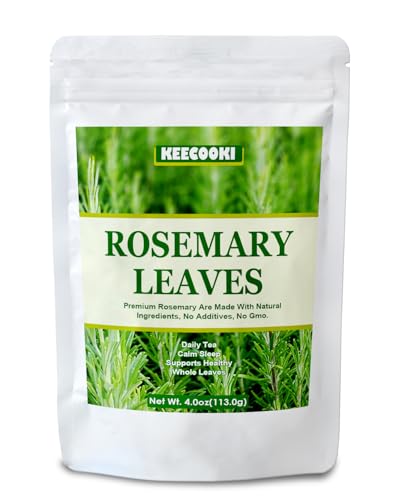
- Dried Rosemary Leaves, 4.0oz(114g), Dried Rosemary Leaf Tea, Sun Dried, No Additives
🏺 Traditional and Popular Uses
Rosemary tea has always had a place in culinary and folk traditions:
- In Mediterranean Europe, it was commonly used as a digestive infusion after large meals.
- In Brazil, rosemary became part of homemade traditions, often linked to moments of rest.
- In folk culture, beyond tea, it’s also used in aromatic baths and herbal smudges.
⚠️ These uses belong to cultural practices and should not replace medical or nutritional advice.
☕ Simple Rosemary Tea Recipe
Ingredients:
- 1 tablespoon of fresh or dried rosemary leaves
- 250 ml (1 cup) of filtered water
- Honey or lemon (optional)
Preparation:
- Heat the water until it begins to boil.
- Turn off the heat and add the rosemary leaves.
- Cover and steep for 8–10 minutes.
- Strain and serve hot or cold.
- Add honey or lemon to taste if desired.
📌 Tip: Use fresh leaves for a lighter aroma or dried leaves for a more intense infusion.
🌸 Culinary and Cosmetic Uses
🍽️ Culinary Use
Rosemary is one of the most versatile herbs in cooking:
- Enhances roasted meats, breads, and grilled vegetables.
- Used to infuse oils and wines with flavor.
- Can be mixed with herbs like mint or fennel for unique tea blends.
💧 Cosmetic Use (with Caution)
In folk tradition, rosemary tea has been used as a natural hair rinse to add shine.
However, there is no broad scientific evidence confirming this effect.
⚠️ Always test on a small area before applying to hair or skin to avoid allergic reactions.

- THE BEST OF FORM AND FUNCTION. The Kyoto Teapot was designed to deliver years of exceptional quality and tea-drinking pl…
- TWO-IN-ONE HEAT AND STEEP DESIGN. For use as a stovetop kettle and tea steeper – heat water then steep tea all with one …
- EXCEPTIONAL QUALITY AND HEALTH BENEFITS. Pure borosilicate glass stands above other teapot materials for health as well …
🌱 Storage and Cultivation
Storage
- Fresh leaves: wrap in paper towel and refrigerate for up to 7 days.
- Dried rosemary: store in an airtight container, protected from light and humidity, for up to 6 months.
Cultivation
- A hardy and resilient plant, thrives in sandy, well-drained soil.
- Prefers sunny locations and requires little watering.
- Can be grown easily in pots or garden beds, making it ideal for home herb gardens.
❓ Frequently Asked Questions (FAQ)
1. Can rosemary tea be consumed daily?
It’s best to alternate consumption and avoid excessive intake.
2. What does rosemary tea taste like?
It has a strong, slightly bitter flavor with a distinctive aroma.
3. Can children drink rosemary tea?
It should be consumed moderately and under professional guidance.
4. Can I mix rosemary with other herbs?
Yes — it pairs well with mint, chamomile, and lemon.
5. Does rosemary tea replace medication?
No. It’s part of cultural and culinary traditions, not a medical substitute.
6. Are there contraindications?
Pregnant or breastfeeding women and people with hypertension or sensitivity should avoid excessive consumption.
7. Is it better to use fresh or dried rosemary?
Both are suitable — fresh leaves give a softer aroma, while dried ones are stronger.
8. Can the tea be served cold?
Yes, it can be enjoyed as a refreshing iced drink.
9. Is rosemary easy to grow at home?
Yes, it grows well in pots and requires minimal care.
10. Does rosemary tea contain calories?
Practically none when prepared with only water and leaves.

- Handy Kitchen Tool – Enjoy the rich flavors of fresh ground spices, paste, or herbs with our grinder mortar pestle set. …
- Crafted to Last – Made of solid marble stone, our molcajete bowl won’t easily break or crack even with frequent use. The…
- Beautiful Pill Crusher Set – The stone mortar and pestle are all white with gray accents and a smooth outer finish. This…
✅ Conclusion
Rosemary tea is an aromatic infusion full of tradition, with roots in Mediterranean culture and a strong presence in Brazilian homes.
Beyond its culinary uses, it remains a symbol of simplicity, flavor, and cultural heritage that continues to enrich our table.
👉 Keep exploring Nutritive Blog and discover more traditional herbal teas and leafy plants:
⚖️ Disclaimer: This content is for informational purposes only and does not replace professional medical or nutritional advice.
Prepare your tea the right way
If you plan to use this plant to make tea, use the Nutritive Blog tea infusion timer. Proper infusion time helps preserve active compounds and ensures better results.
📌 Author Box

Article written by Alexandre Zorek, graduate in Business Administration with a postgraduate degree in Botany.
A passionate lover of orchids, photography, and natural food — and father of Bianca and Beatriz — he shares trustworthy knowledge about plants, fruits, teas, and vegetables in a clear and practical way.