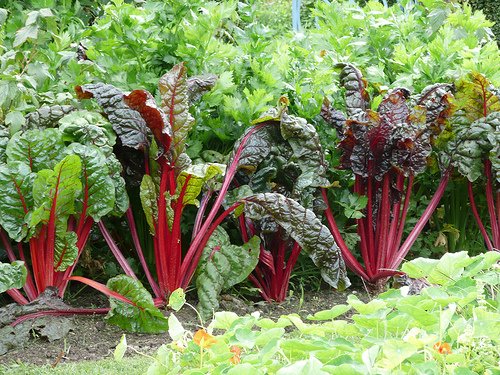
Rhubarb (Rheum rhabarbarum) is a herbaceous plant native to Asia that has been used for centuries in both traditional medicine and cooking. While rhubarb leaves are toxic and must never be consumed, the stalks and roots contain valuable compounds that have long been used to support digestion, bowel regularity, and overall wellness.
In the United States, rhubarb is best known for its culinary use in pies and preserves, but its medicinal applications—especially as an herbal tea—are less widely discussed. When used correctly and in moderation, rhubarb tea may offer gentle digestive and detoxifying support.
⚠️ Disclaimer: This content is for educational purposes only and does not replace professional medical advice.
Nutritional Profile and Active Compounds
Rhubarb stalks contain several bioactive substances, including:
- Phenolic compounds
- Anthraquinones
- Dietary fiber
- B-complex vitamins
- Vitamin K
- Calcium
- Potassium
- Oxalic acid (in small amounts in the stalks)
From a medicinal standpoint, anthraquinones are the most relevant compounds. They are responsible for rhubarb’s mild natural laxative effect, traditionally used for occasional constipation.

Main Benefits of Rhubarb Tea
1. Supports Bowel Regularity
Rhubarb has a long history of use as a natural laxative. Anthraquinones stimulate intestinal peristalsis, helping promote bowel movements when used short-term and in small doses.
Unlike some synthetic laxatives, rhubarb is traditionally used only occasionally, not daily.
2. Anti-Inflammatory Properties
Research suggests that rhubarb contains compounds with anti-inflammatory effects, which may help soothe mild inflammation in the digestive tract and support joint comfort when included as part of a balanced lifestyle.
3. Digestive Support
When consumed after meals, rhubarb tea may help relieve:
- Mild bloating
- Gas
- Digestive discomfort
Its bitter compounds can stimulate digestive secretions, supporting overall digestion.
4. Blood Sugar Balance Support
Preliminary studies indicate that rhubarb’s antioxidant compounds may help support healthy blood glucose levels, making it a potential complementary option for people focused on metabolic balance.
👉 Related reading:
Cow’s Foot Tea (Bauhinia): A Traditional Ally for Blood Sugar Balance
5. Liver Support
In Traditional Chinese Medicine, rhubarb has long been used as a liver tonic, believed to support detoxification pathways and bile flow when used appropriately and under guidance.
Important Safety Considerations
Rhubarb must be used with care:
- Never consume the leaves — they contain high levels of oxalic acid and are toxic
- Avoid long-term or continuous use
- Not recommended for:
- Pregnant or breastfeeding individuals
- Children under 12
- People with kidney disease or kidney stones
- May interact with:
- Diuretics
- Anticoagulant medications
Moderation and proper preparation are essential.
How to Prepare Rhubarb Tea
For medicinal purposes, dried stalks or dried root are used. Preparation method depends on which part is used.
Ingredients
- 1 teaspoon dried rhubarb stalks or dried rhubarb root
- 1 cup (250 ml) filtered water
Preparation Method
- Bring the water to a boil.
- Add the rhubarb:
- Stalks: steep for 10 minutes (infusion)
- Root: simmer for 15 minutes (decoction)
- Strain and drink warm.
Recommended intake:
Up to 1 cup per day, preferably in the evening, due to its laxative effect.
👉 Learn more:
How to Prepare Herbal Teas Properly

- 【Stovetop Safe】Our glass teapot are made of borosilicate lead-free glass that is scratch resistant and can withstand tem…
- 【Removable Infuser】This glass teapot has a removable glass infuser. This infuser is made of 18/8 stainless steel and has…
- 【Ergonomic Design】The glass tea kettle is specially designed for one-handed operation. This glass tea pot is designed li…
Other Forms of Use
In addition to tea, rhubarb may be found in:
- Herbal tinctures
- Capsules (standardized extracts)
- Powdered root
These forms should be used only with professional guidance, as dosing is more concentrated.
Rhubarb in Cooking
Although this article focuses on medicinal use, it’s worth noting that rhubarb stalks are widely used in cooking, especially in:
- Jams and preserves
- Pies and tarts
- Compotes
Cooking helps reduce acidity and enhances rhubarb’s naturally tart flavor. Leaves must always be discarded.
Growing Rhubarb
Rhubarb is not native to Brazil, but in the U.S. it grows well in cooler climates. It prefers:
- Well-drained, nutrient-rich soil
- Mild temperatures
- Partial to full sun
Growth is slow, but once established, the plant can produce for several years.

- COMPACT AND CONVENIENT: With a 3.75 inches diameter, this granite mortar and pestle is perfect for grinding and crushing…
- STYLISH AND DURABLE: Made from high-quality granite with a polished exterior and natural finish, this mortar and pestle …
- EFFICIENT AND USER FRIENDLY: Featuring a rough granite surface and a comfortable pestle, this versatile tool excels at c…
Rhubarb Tea and Weight Management
Because rhubarb tea has digestive, mild diuretic, and laxative properties, it is sometimes used as a complementary beverage during weight-management routines.
However, it does not burn fat, and excessive use may lead to dehydration or mineral imbalance.
👉 Related reading:
Horsetail Tea: Natural Support for Fluid Retention
Interesting Facts About Rhubarb
- Introduced to Europe in the 17th century as a medicinal plant
- Used in Traditional Chinese Medicine for over 2,000 years
- The red color of rhubarb stalks comes from anthocyanins, which are antioxidants
Frequently Asked Questions
Is rhubarb tea safe?
Yes, when prepared correctly and used occasionally. Never use the leaves.
Can I drink rhubarb tea every day?
No. It is best used for short periods (up to 5 days), followed by a break.
Can rhubarb be combined with other herbs?
Yes, but avoid combining it with other strong laxatives such as senna or cascara sagrada.
👉 Related article:
Cascara Sagrada: Benefits and How to Use It Safely
Prepare your tea the right way
If you plan to use this plant to make tea, use the Nutritive Blog tea infusion timer. Proper infusion time helps preserve active compounds and ensures better results.
Final Thoughts
Rhubarb tea is a traditional herbal remedy with a long history of use for digestive support, bowel regularity, and liver health. When prepared correctly and used responsibly, it can be a helpful addition to a natural wellness routine.
As with all medicinal herbs, less is more, and professional guidance is always recommended for long-term use.