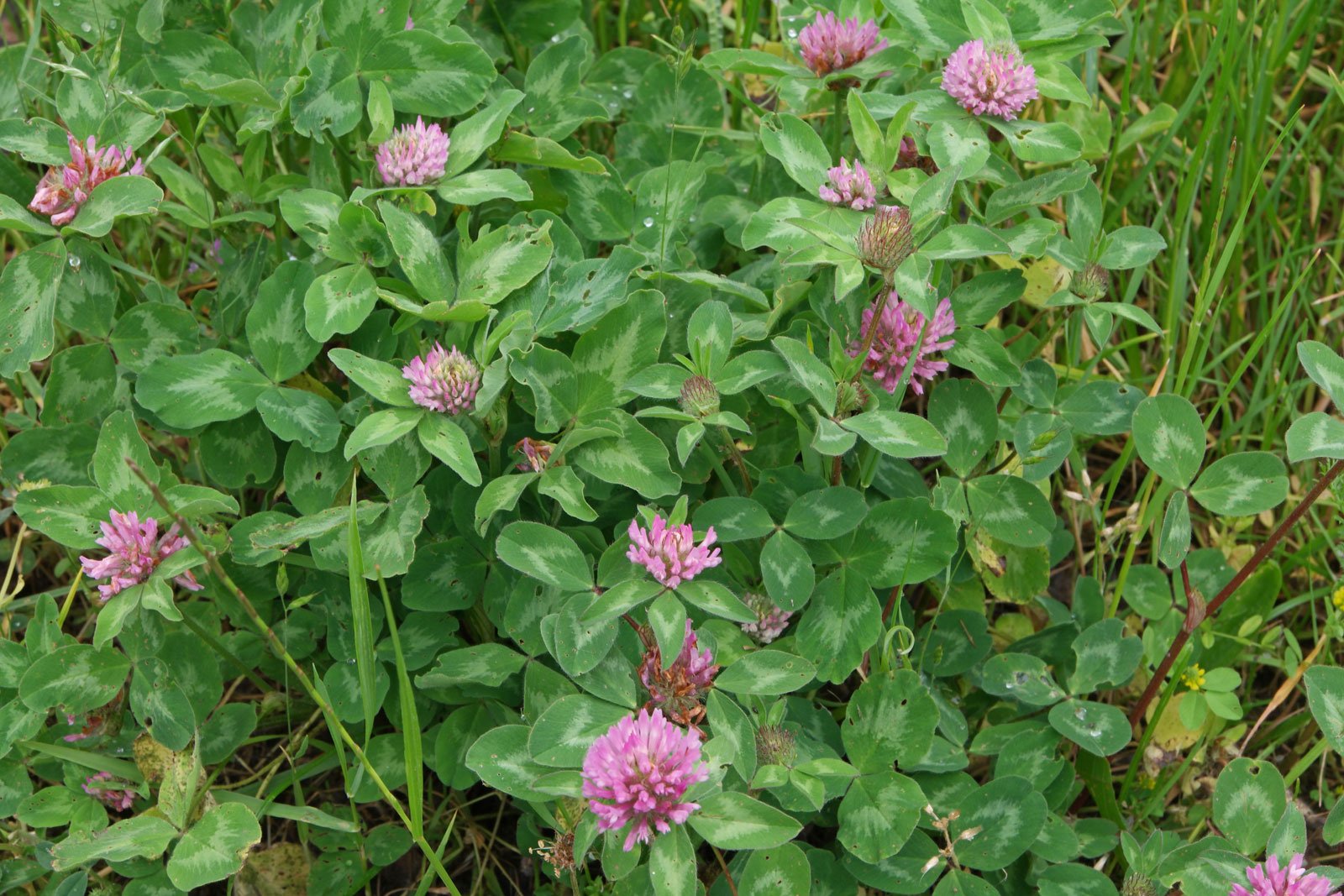
Red clover (Trifolium pratense) is a medicinal plant known for its vibrant pink-red flowers and powerful health benefits. Far more than a garden plant, red clover has been used for centuries in traditional medicine and is now widely studied in modern herbal therapy—especially for its role in women’s health.
In this article, you’ll learn about the main benefits of red clover, what it’s used for, how to prepare red clover tea properly, how to consume it safely, and important precautions to keep in mind.
⚠️ Disclaimer: This content is for educational purposes only and does not replace professional medical advice.
What Is Red Clover?
Red clover is a flowering plant from the Fabaceae (legume) family, the same family as beans, peanuts, and soy. Native to Europe and Asia, it now grows widely across North America and other temperate regions.
Its rounded flower heads—pink to reddish-purple in color—are rich in bioactive compounds. The flowers are the primary medicinal part, used in teas, tinctures, capsules, and herbal extracts.
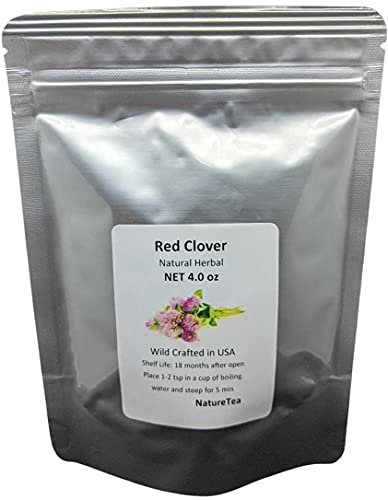
- Trifolium pratense Loose Leaf/Flower from 100% nature
Active Compounds and Nutritional Profile
Red clover is especially valued for its natural phytoestrogens and antioxidant compounds, including:
- Isoflavones (genistein, daidzein, formononetin, biochanin A)
- Coumarins
- Flavonoids
- Essential oils
- Vitamins: C, E, and B-complex
- Minerals: calcium, magnesium, iron, potassium
These compounds give red clover antioxidant, anti-inflammatory, antispasmodic, and hormone-modulating effects.
What Is Red Clover Tea Used For? Key Benefits
1. Menopause Symptom Relief
Red clover is widely known for its phytoestrogen content, plant compounds that gently mimic estrogen in the body. This makes it useful for helping manage menopause symptoms such as:
- Hot flashes
- Night sweats
- Mood swings
- Sleep disturbances
- Vaginal dryness
- Bone density support
2. Cardiovascular Health Support
The isoflavones in red clover may help:
- Lower LDL (“bad”) cholesterol
- Increase HDL (“good”) cholesterol
- Improve blood circulation
- Protect blood vessels through antioxidant action
3. Respiratory and Expectorant Effects
Red clover tea has mild expectorant and antispasmodic properties, making it useful for:
- Cough
- Mild asthma symptoms
- Bronchitis
- Mucus buildup in the lungs
4. Skin Health
Red clover has traditionally been used to support skin conditions such as:
- Eczema
- Psoriasis
- Minor wounds and skin inflammation
Both internal use and topical applications may help improve skin hydration and overall appearance.
5. PMS and Menstrual Support
Red clover may help ease:
- Menstrual cramps
- Hormonal mood changes
- Premenstrual discomfort
Thanks to its gentle hormone-balancing effects.

- ☕Humanized design:The 1200ml teapot has a large capacity and a water level scale is added on the surface. The teapot spo…
- ☕Multiple functions: The teapot is suitable for making a variety of different drinks, tea, coffee, herbs, etc. The teapo…
- ☕Safe teapot: It is composed of lead-free high borosilicate glass, using food-grade 304 stainless steel filter screen, w…
How to Prepare Red Clover Tea
Ingredients
- 1 tablespoon dried red clover flowers
- 1 cup (240 ml) hot water
Instructions
- Bring water to a boil and remove from heat.
- Add the dried red clover flowers.
- Cover and steep for 10 minutes.
- Strain and drink warm.
👉 For best results, see our guide: How to Prepare Herbal Tea Properly
How Often Can You Drink Red Clover Tea?
- Up to 2 cups per day
- Recommended for up to 8 weeks, followed by a break
Avoid continuous long-term use without professional guidance. Red clover is also available as capsules, tinctures, or extracts, which should be used under the supervision of a qualified healthcare provider.
Side Effects and Contraindications
Although natural, red clover is not suitable for everyone. Avoid or use with caution if you:
- Are pregnant or breastfeeding
- Have a history of hormone-sensitive cancers (breast, ovarian, uterine)
- Use hormonal contraceptives or hormone therapy
- Take blood thinners (due to coumarins)
- Are giving it to young children (only with medical guidance)
Always consult a healthcare professional before using red clover therapeutically.
Interesting Facts About Red Clover
- Considered sacred by Celtic cultures, symbolizing protection and balance
- Improves soil quality by fixing nitrogen, aiding sustainable agriculture
- Widely used in organic farming as a cover crop
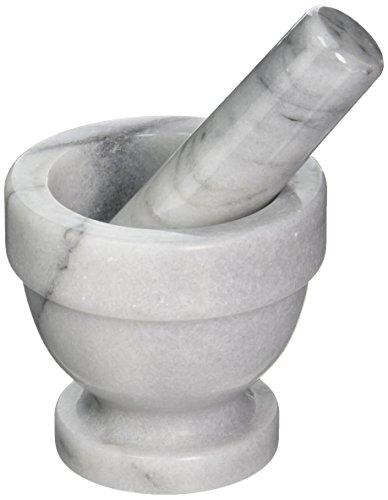
- ROUGH INTERIOR, FOR SMOOTH RESULTS: This mortar comes with an unpolished interior, with just enough of an edge to get gr…
- GET IT DONE IN ONE: This small grinding bowl include both the mortar and the pestle so you have everything you need to g…
- UNIQUE MARBLE VARIATIONS ensure that this stone mortar and pestle will be one-of-a-kind, making this the perfect housewa…
Herbal Teas with Similar Benefits
If you’re interested in herbs with comparable effects, you may also enjoy:
- Sage Tea: Benefits and Uses
- Fennel Tea: Gentle Digestive Support
- Lemon Balm (Melissa): Anxiety and Sleep Support
- Chamomile Tea: Calming and Digestive Benefits
Prepare your tea the right way
If you plan to use this plant to make tea, use the Nutritive Blog tea infusion timer. Proper infusion time helps preserve active compounds and ensures better results.