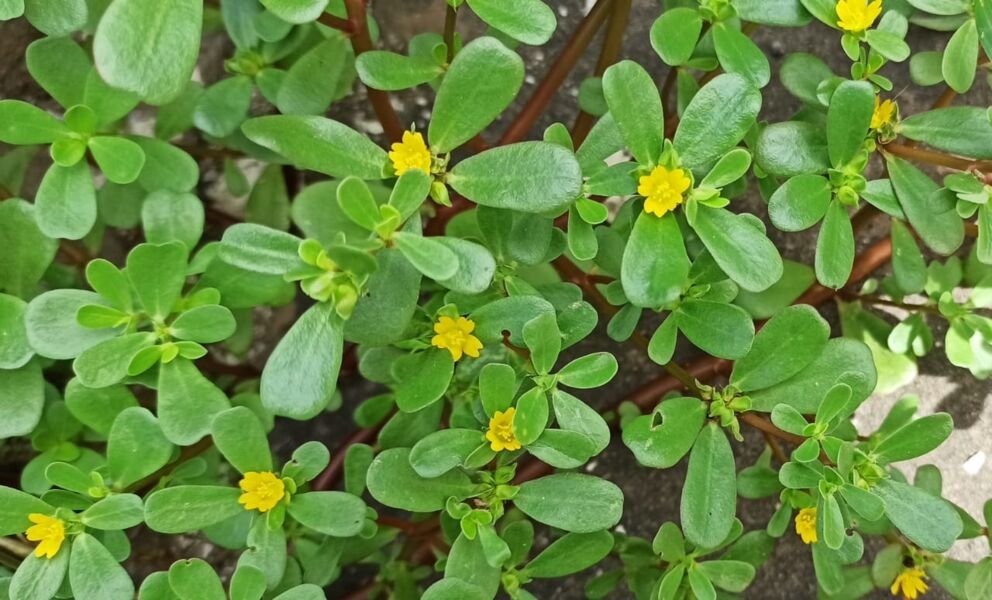
Purslane tea is a mild herbal infusion made from the leaves of Portulaca oleracea, a succulent widely found in home gardens around the world. In English, it’s most commonly called purslane, though in different regions it may also appear as “verdolaga,” “pursley,” or “Ma Chi Xian” in Asian cuisines. Traditionally eaten as a leafy green, purslane also makes a refreshing, caffeine-free tea that brings a light, herbaceous flavor to your day.
In culinary traditions across the globe—including Mediterranean, Middle Eastern, Asian, and Latin American cuisines—fresh purslane leaves are used in salads, soups, stir-fries, and yogurt-based dishes. When brewed as a tea, it delivers a delicate green profile that pairs beautifully with lemon, ginger, or mint. Nutritionally, fresh purslane leaves are rich in potassium, magnesium, vitamin C, and are especially notable for their naturally high content of ALA omega-3, a rare feature among leafy vegetables.
Before preparing your cup, there is one essential safety point: purslane contains oxalates, similar to spinach and Swiss chard. Individuals with a history of calcium-oxalate kidney stones should use caution, consume lightly brewed infusions, and seek medical guidance when needed. Oxalate levels vary by plant sample and soil conditions, and cooking tends to reduce soluble oxalates more effectively than raw preparations.
⚠️ Disclaimer: This article is for informational purposes only and does not replace professional medical or nutritional advice.
Purslane Tea: Flavor, Aroma, and Why People Enjoy It
Purslane tea has a fresh, green aroma and a mild plant-like flavor, often with a subtle silky texture due to the plant’s natural mucilage. A short steep produces a clear, refreshing infusion; longer steeping may introduce a slightly earthy note.
Sensory Profile (light infusion)
- Aroma: fresh, green, soft herbal notes
- Flavor: mild, slightly citrus-herbal; may become earthy if steeped too long
- Pairs well with: lemon peel, ginger, mint
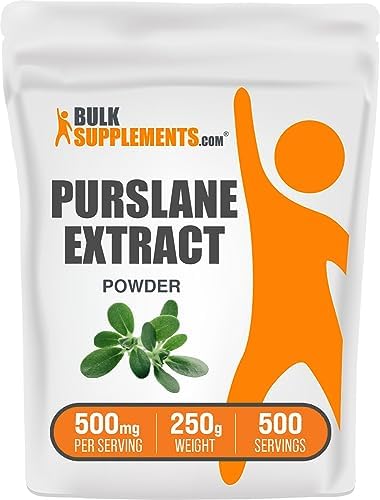
- Rich in Natural Nutrients: Step into a world where every serving is a treasure chest of antioxidants sourced directly fr…
- Intuitive Wellness Support: Feel supported in your wellness journey with our Purslane Extract, in Purslane powder, desig…
- Simplify Your Wellness Journey: With our Purslane Extract powder, achieving your daily nutritional goals becomes effortl…
Culinary Benefits and Interesting Facts
🫖 A gentle ritual
A warm cup of purslane tea can create a calming moment in your day—without caffeine.
🥗 A versatile leafy green
In U.S. gardening and homesteading communities, purslane is increasingly recognized as an edible “wild green” and valued for its pleasantly tart flavor and thick, crunchy leaves.
💚 Naturally rich in nutrients
Fresh purslane leaves contain:
- ~494 mg potassium / 100 g
- ~68 mg magnesium / 100 g
- ~21 mg vitamin C / 100 g
- ALA omega-3 (one of the highest among leafy vegetables)
These values explain why purslane is gaining attention in nutrition discussions.
Traditional and Popular Uses
Across cultures, purslane is used:
- raw in salads
- combined with tomatoes and yogurt in Mediterranean dishes
- cooked in soups and stews
- sautéed with garlic and spices
In the United States, foraging communities often highlight purslane as a nutritious wild edible. As a tea, it remains a light, refreshing herbal infusion—best used in moderation.
Nutritional Table — Fresh Purslane Leaves (per 100 g)
(The brewed tea itself contains only trace nutrients because it is mostly water.)
| Component | Amount | % DV* |
|---|---|---|
| Calories | 20 kcal | 1% |
| Carbohydrates | 3.39 g | 1% |
| Protein | 2.03 g | 3% |
| Total Fat | 0.36 g | 1% |
| Sodium | 45 mg | 2% |
| Potassium | 494 mg | 14% |
| Calcium | 65 mg | 7% |
| Magnesium | 68 mg | 26% |
| Phosphorus | 44 mg | 6% |
| Iron | 1.99 mg | 14% |
| Vitamin C | 21 mg | 47% |
| Thiamin (B1) | 0.047 mg | 4% |
| Riboflavin (B2) | 0.112 mg | 9% |
*Daily Values based on a 2,000-calorie diet.
How to Make Purslane Tea (Light Herbal Infusion)
Yield: 2 cups
Total time: 6–8 minutes
Ingredients
- 1 tablespoon of fresh, washed purslane leaves (use only tender tips and leaves)
- 500 ml (about 2 cups) of water
- Optional: lemon peel or a thin slice of ginger
Instructions
- Heat the water until it just begins to boil.
- Turn off the heat and add the purslane leaves.
- Cover and steep for 6–8 minutes.
- Strain gently (do not squeeze the leaves to avoid bitterness).
- Serve warm or chilled.
💡 If you need to limit oxalates, keep the infusion light and avoid daily use. Cooking purslane for meals reduces oxalates more effectively than tea.

- ECO-FRIENDLY AND HEALTHY: Made of Borosilicate Glass, a lightweight, durable glass that can withstand high temperatures …
- 3 IN 1 STOVE TOP, MICROWAVE & DISHWASHER SAFE:These features make this premium and high quality borosilicate glass teapo…
- REMOVABLE INNER STAINLESS STEEL STRAINER:Enhance your tea drinking experience by steeping loose leaf tea exactly as you …
Flavor Variations
- Citrus Refresh: add ice and fresh lemon
- Herbal Warmth: add ginger + a cinnamon stick
- Green Syrup: reduce 1 part tea + 1 part sugar over low heat until slightly thickened; use for homemade sodas
Culinary and Cosmetic Uses
🍽️ In the kitchen
Purslane shines as a vegetable—crunchy in salads, excellent in soups and stews, and a natural thickener due to its mucilage.
🌿 Cosmetic or topical use (traditional)
Some people use crushed purslane leaves for their cooling feel on the skin.
If trying any home remedy:
- test a small patch first
- avoid eyes and mucous membranes
- stop if irritation occurs
Storage and Growing Tips (U.S. Adapted)
Storage
- Keep fresh purslane in a sealed container with a dry paper towel.
- Refrigerate and use within a few days.
Growing Purslane in the United States
Purslane is one of the easiest greens to grow:
- thrives in full sun
- tolerates heat and drought (perfect for warm U.S. climates)
- grows even in poor soil
- spreads quickly
It can be grown in the ground, raised beds, or containers.
Safety, Contraindications, and Care
Oxalates
Purslane can contain high levels of oxalates.
Not recommended for frequent use in people with:
- kidney stones
- hyperoxaluria
- kidney issues requiring oxalate restriction
Pregnancy & breastfeeding
Due to lack of specific safety data for concentrated infusions:
- prefer culinary use rather than herbal tea
- avoid regular consumption without guidance
Allergies
Any plant can cause reactions. Stop use if discomfort occurs.
Harvesting safely
If foraging, never collect near roads or contaminated soil.
Prefer organic, clean, food-grade sources.
⚠️ This article is informational and not medical advice.
FAQ — Purslane Tea
1) Does purslane tea contain caffeine?
No. It is naturally caffeine-free.
2) Is it better to use fresh or dried leaves?
Both can be used.
Fresh leaves = greener flavor
Dried leaves = more concentrated
3) Can I eat purslane raw or cooked?
Yes! It’s a widely eaten leafy vegetable with many culinary uses.
4) Is purslane really high in omega-3?
Yes—ALA omega-3 is one of its nutritional highlights.
5) I have a history of kidney stones. Can I drink it?
Consult your healthcare provider. Purslane contains oxalates.
6) Can I grow purslane at home?
Absolutely. It thrives in warm climates and full sun across the U.S.

- BUILT GORILLA GRIP TOUGH: the last mortar and pestle set you will ever buy, the Gorilla Grip Mortar and Pestle Set is ul…
- 100 PERCENT NATURAL GRANITE: Gorilla Grip granite is sourced from natural granite mines, then handcrafted with care; gra…
- GUACAMOLE, SPICES, NUTS, AND MORE: not just for guacamole, the mortar and pestle set is a great option for nearly any in…
Read More on Nutritive Blog
To keep exploring delicious and safe herbal teas:
- Ginger Tea – Benefits and How to Prepare
- Peppermint Tea – Benefits and How to Prepare
- Mulberry Leaf Tea – Uses and Preparation
Conclusion
Purslane tea is a mild, refreshing herbal infusion and a great way to explore this nutritious, heat-tolerant leafy green. Rich in potassium, magnesium, vitamin C, and ALA omega-3, purslane offers impressive benefits—especially when enjoyed as a food in salads, soups, or sautés. For tea, keep the infusion light, pay attention to oxalate considerations, and always source your leaves from clean, safe environments.
Ready for more? Explore the other teas available here on Nutritive Blog!
⚠️ Informational only—does not replace medical guidance.
Prepare your tea the right way
If you plan to use this plant to make tea, use the Nutritive Blog tea infusion timer. Proper infusion time helps preserve active compounds and ensures better results.
Author Box

Article written by Alexandre Zorek, graduate in Business Administration and postgraduate in Botany. Passionate about orchids, photography, healthy food, and father to Bianca and Beatriz. He shares reliable, practical knowledge about plants, fruits, teas, and vegetables in a friendly, accessible way.