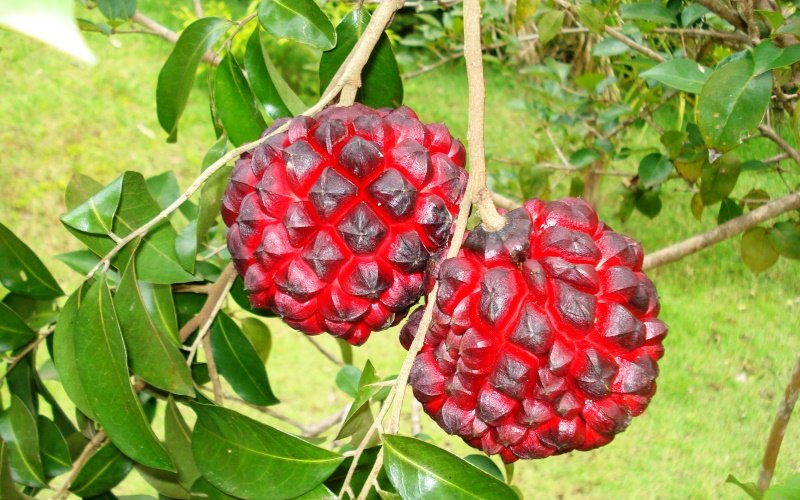
Pindaíba (Xylopia aromatica) is a medicinal plant native to Brazil and traditionally used in folk medicine for its therapeutic properties. Although its popular name is often associated with hardship or scarcity in Brazilian culture, the plant itself is rich in bioactive compounds that support health—especially in natural treatments for inflammation, digestion, and nervous system balance.
In this article, you’ll learn what pindaíba tea is used for, its main health benefits, how to prepare it correctly, recommended intake, and important safety precautions. You’ll also find suggestions for related herbal resources and an invitation to explore our free eBook Teas for the Soul.
⚖️ Important notice: This content is for informational purposes only and does not replace professional medical advice.
What Is Pindaíba?
Pindaíba belongs to the Annonaceae family, the same botanical family as soursop and araticum. It grows naturally in Brazil’s Cerrado, Atlantic Forest, and open woodland regions. The plant is valued both for its durable wood and for its medicinal properties.
Its leaves, bark, and fruits contain bioactive compounds such as alkaloids, flavonoids, and essential oils, which are responsible for its therapeutic effects in traditional herbal medicine.

- FAST BOILING: Chefman kettles boil water fast. Boil your water for as little as 3 minutes for tea, hot chocolate, pour-o…
- VARIABLE HEAT SETTINGS: Custom temperature control includes seven presets with boiling temps ranging from 160-212°F for …
- TRI-COLOR LED LIGHTS: Easily see when your glass teapot with infuser is in standby mode (white lights), heating mode (re…
Health Benefits of Pindaíba Tea
Tea prepared from the bark or leaves of pindaíba has long been used as a natural remedy. Below are its most recognized traditional benefits:
1. Natural Anti-Inflammatory Support
Pindaíba tea is traditionally used to help reduce internal and external inflammation. It may be supportive in cases of joint discomfort, mild arthritis, muscle pain, and inflammatory conditions, helping ease pain and stiffness.
2. Blood Pressure Support
Some traditional uses and preliminary studies suggest that pindaíba may have a mild hypotensive effect, helping support healthy blood pressure levels in people with mild hypertension.
⚠️ Always consult a healthcare professional if you use blood pressure medication.
3. Stress and Anxiety Relief
Pindaíba contains compounds with mild calming effects on the central nervous system. The tea is often consumed to promote relaxation, reduce daily stress, and help manage mild anxiety symptoms.
4. Digestive Support
Traditionally, pindaíba tea is used to stimulate digestive enzyme production, making it helpful for:
- Indigestion
- Bloating
- Intestinal gas
- Post-meal discomfort
5. Antimicrobial Properties
Compounds found in the bark show antimicrobial activity, traditionally used to help the body resist certain bacterial and fungal infections.
How to Prepare Pindaíba Tea
When using the bark, the most effective preparation method is decoction, which allows better extraction of active compounds from woody plant material.
👉 To understand the differences between infusion, decoction, and other methods, see:
How to Prepare Herbal Tea Properly

- 【Stovetop Safe】Our glass teapot are made of borosilicate lead-free glass that is scratch resistant and can withstand tem…
- 【Removable Infuser】This glass teapot has a removable glass infuser. This infuser is made of 18/8 stainless steel and has…
- 【Ergonomic Design】The glass tea kettle is specially designed for one-handed operation. This glass tea pot is designed li…
Ingredients
- 1 tablespoon dried pindaíba bark
or - 2 tablespoons dried leaves
- 2 cups (500 ml) filtered water
Preparation Method (Decoction)
- Add the bark (or leaves) to the water in a saucepan.
- Bring to a gentle boil.
- Let it simmer for 10 minutes.
- Turn off the heat, cover, and let rest for 10 more minutes.
- Strain and drink warm.
Usage Guidelines
- Recommended intake: up to 2 cups per day
- Best times to drink: morning and late afternoon
- Avoid refined sugar; if needed, use honey or stevia sparingly
Safety, Contraindications, and Precautions
Despite its traditional benefits, pindaíba should be used with caution:
- Avoid during pregnancy and breastfeeding unless approved by a healthcare professional
- People with low blood pressure should not use pindaíba tea
- Prolonged or excessive use may cause dizziness or drowsiness
- Always consult a qualified professional before starting any herbal treatment

- 【Pure Natural Marble】Made of marble, this mortar and pestle set features a textured interior for improved friction when …
- 【Unique existence】 Due to the change of the natural color of marble, each mortar and pestle is unique, (please allow a s…
- 【Easy to Clean】❤Please note: Due to its natural marble composition, there may be some powder initially. To fix this, gri…
Cultural Note: Where Does the Name “Pindaíba” Come From?
In Brazilian Portuguese, the expression “estar na pindaíba” means being in financial hardship. Historically, during difficult times, people relied on readily available medicinal plants—pindaíba being one of them. Over time, the plant became symbolically linked to scarcity, even though it represents resilience and natural healing.
Related Herbal Articles You May Enjoy
Explore other medicinal plants featured on Nutritive Blog:
- Barbatimão Tea – natural inflammation and skin support
- Horsetail Tea – diuretic and anti-inflammatory properties
- Chamomile Tea – gentle calming support
- Lemon Balm (Melissa) – relaxation and emotional balance
Final Thoughts
Pindaíba is a valuable and powerful native Brazilian plant with anti-inflammatory, digestive, calming, and antimicrobial properties. When prepared correctly and consumed responsibly, its tea can be a helpful addition to a natural wellness routine. Respecting dosage guidelines and safety precautions ensures you can enjoy its benefits with confidence.
Prepare your tea the right way
If you plan to use this plant to make tea, use the Nutritive Blog tea infusion timer. Proper infusion time helps preserve active compounds and ensures better results.
Author Box

Written by Alexandre Zorek, graduate in Business Administration and postgraduate in Botany.
Passionate about orchids, photography, and natural nutrition, and proud father of Bianca and Beatriz, he shares reliable and practical knowledge about plants, fruits, teas, and vegetables.