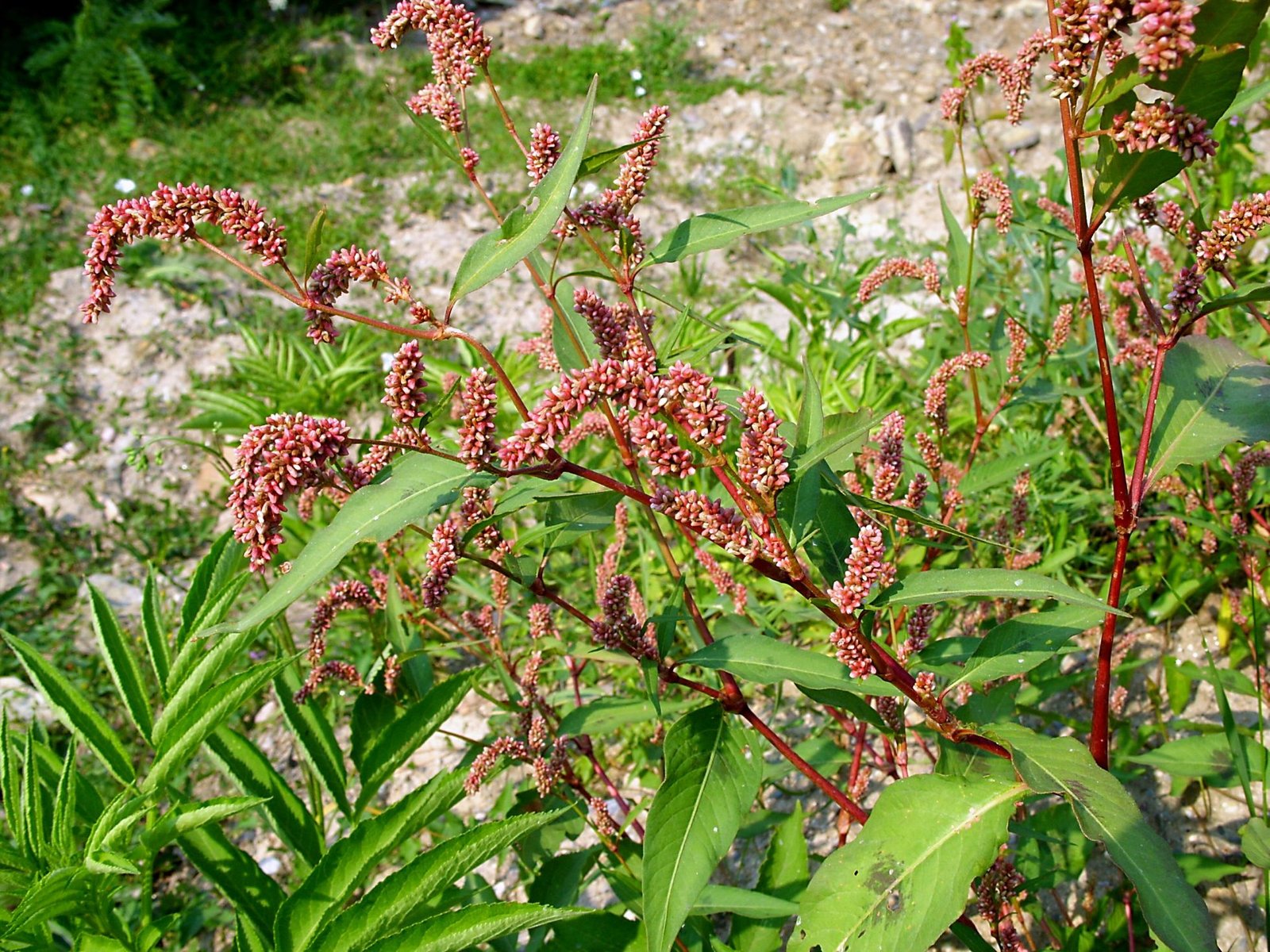
Persicaria tea, commonly known as water pepper (Persicaria hydropiper), is a medicinal herb traditionally used in Brazilian and European folk medicine. For generations, this plant has been valued for its anti-inflammatory, antiseptic, digestive, and wound-healing properties, and today it continues to attract interest among herbalists and natural health enthusiasts.
In this complete guide, you’ll learn what Persicaria is used for, its main health benefits, how to prepare the tea properly, possible side effects, and important safety tips—all presented in clear, accessible language grounded in ethnobotany and traditional herbal practice.
⚖️ Important notice: This content is for educational purposes only and does not replace professional medical advice.
What Is Persicaria (Persicaria hydropiper)?
Persicaria hydropiper, also known as water pepper, is an herbaceous plant from the Polygonaceae family. It thrives in wet soils, marshes, riverbanks, and damp fields, and grows naturally in many parts of South America, Europe, and Asia.
The plant typically reaches up to 24 inches (60 cm) in height and features:
- Narrow, lance-shaped leaves
- Small pinkish or whitish flowers
- A distinctly pungent, peppery taste
The traditional name “water pepper” refers to its sharp flavor and its historical use in treating intestinal parasites and infections, though the plant offers many additional therapeutic applications.
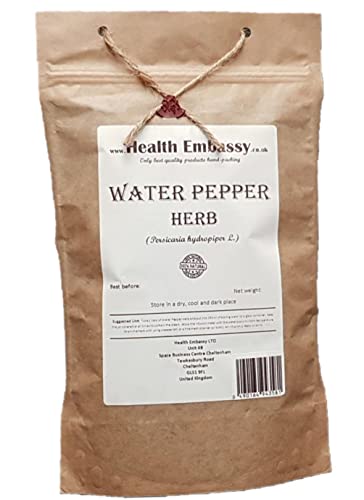
- Hand-Picked and Hand-Packed 🍀Water Pepper Herb Health Embassy is carefully hand-packed to maintain its natural form.
- Convenient Resealable Packaging 🍀 The resealable doypack helps preserve freshness and allows for easy storage.
- Natural and GMO-Free 🍀 Water Pepper Herb Health Embassy contains no GMOs, additives, artificial flavors, or colors.
What Is Persicaria Used For?
In traditional herbal medicine, Persicaria is valued for its multiple actions, including:
- Anti-inflammatory
- Antiseptic
- Wound-healing
- Diuretic
- Hemostatic (helps reduce bleeding)
- Antispasmodic
- Antiparasitic
Depending on the condition, it may be used internally as a tea (infusion) or externally in compresses or sitz baths.
Main Health Benefits of Persicaria
1. Hemorrhoid Relief
One of the most well-known uses of Persicaria is for hemorrhoids. Thanks to its anti-inflammatory and hemostatic properties, a concentrated tea is often used in sitz baths to help relieve pain, itching, swelling, and minor bleeding.
2. Supports Wound Healing
When applied externally, Persicaria tea may help treat:
- Minor cuts
- Wounds
- Insect bites
- Skin inflammation
Its tannins and phenolic compounds help speed healing and protect the skin from infection.
3. Relieves Menstrual and Intestinal Cramps
Persicaria tea has antispasmodic effects, making it traditionally useful for:
- Menstrual cramps
- Intestinal spasms
- Abdominal discomfort
It is sometimes chosen as a natural alternative to conventional pain relievers.
4. Supports Urinary Tract Health
Due to its diuretic and antiseptic actions, Persicaria may help support the urinary system by:
- Promoting urine flow
- Assisting in flushing bacteria
- Easing mild urinary discomfort, such as cystitis
5. Traditional Antiparasitic Use
In folk medicine, Persicaria has been used as a natural vermifuge, especially in cases of pinworms and other intestinal parasites. This use is traditional and should not replace medical treatment.
6. Eases Muscle and Joint Discomfort
Applied as a compress or poultice, Persicaria tea has been traditionally used to help relieve:
- Rheumatic pain
- Muscle soreness
- Bruises and minor injuries
How to Prepare Persicaria Tea
Ingredients
- 1 tablespoon dried Persicaria leaves
- 1 cup (240 ml) filtered water
Preparation Method (Infusion)
- Bring the water to a boil, then turn off the heat.
- Add the dried herb, cover, and let steep for 10–15 minutes.
- Strain and drink warm.
Recommended use:
Up to 2 cups per day, for short-term use only.
👉 To better understand infusion techniques and ideal temperatures, see:
How to Prepare Herbal Teas Correctly

- REDEFINE YOUR BREWING PROCESS- Made from premium grade borosilicate high heat resistant glass, our glass teapot is 100% …
- SAFE & EASY TO USE: The Hiware Glass Teapot with Mesh Infuser boasts a minimal design and in a breeze to use. It can be …
- FANTASTIC CHOICE- Our teapot comes in an elegant shape and assures the best quality, making it an ideal gift choice, no …
External Use (Sitz Baths and Compresses)
For hemorrhoids or skin issues:
- Use 2 tablespoons of dried herb in 500 ml (2 cups) of water.
- Prepare a strong infusion.
- Allow it to cool to a warm, comfortable temperature.
- Use for sitz baths, compresses, or gentle cleansing of the affected area.
Safety, Side Effects, and Contraindications
Although Persicaria is generally safe when used correctly, important precautions apply:
- Pregnant or breastfeeding women should avoid internal use
- Not recommended for young children without professional guidance
- Excessive use may cause gastric or mucosal irritation
- Long-term use is not advised without supervision
Always consult a qualified healthcare provider or herbal professional before starting any medicinal plant regimen.
Where to Find Persicaria
Persicaria can be found in:
- Herbal and natural product stores
- Specialized herbal markets
- Compounding pharmacies
Choose organically grown, properly identified products from reliable suppliers.

- Perfectly designed efo Pestle Mortar Set is great for grinding whole spices into a powder, also good for making small ba…
- The traditional design is perfect for just about any type of mashing in the kitchen
- Mortar and pestle set can easily crush garlic, ginger, vanilla, pepper and various spices
You May Also Like
Final Thoughts
Persicaria (water pepper) is a powerful yet often overlooked medicinal plant. Its traditional use for hemorrhoids, wound healing, cramps, urinary support, and inflammation highlights its versatility in natural care.
When used mindfully, in moderation, and with respect for contraindications, Persicaria can be a valuable part of a natural wellness routine—always as a complement, not a substitute, for professional medical care.
Prepare your tea the right way
If you plan to use this plant to make tea, use the Nutritive Blog tea infusion timer. Proper infusion time helps preserve active compounds and ensures better results.
Author Box
Written by Alexandre Zorek, graduate in Business Administration and postgraduate in Botany.
Passionate about orchids, photography, and natural nutrition, and proud father of Bianca and Beatriz, he shares reliable and practical knowledge about plants, fruits, teas, and vegetables.