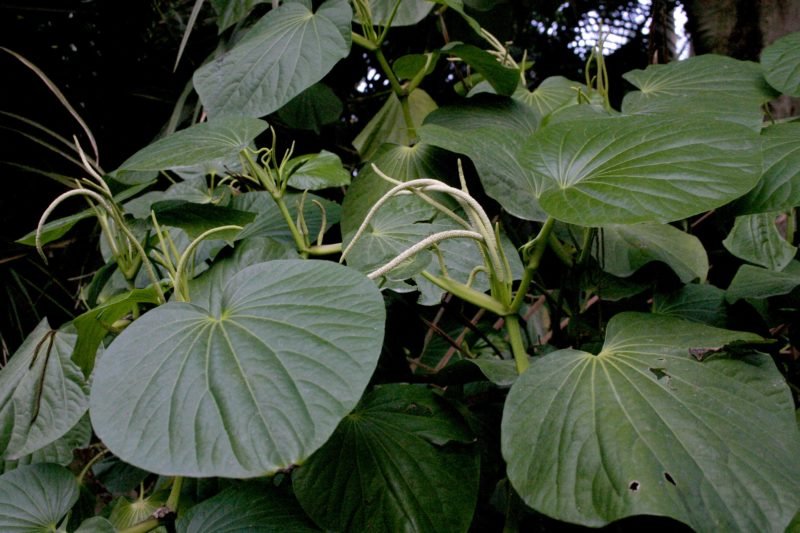
Pariparoba tea (Pothomorphe umbellata), also known as caapeba, is a medicinal plant native to Brazil, especially common in the Atlantic Forest biome. Used for centuries in traditional herbal medicine, pariparoba is valued for its digestive, anti-inflammatory, and detox-supporting properties.
In this article, you’ll learn about the therapeutic benefits of pariparoba, its traditional uses, safety considerations, different ways to use the plant, and—most importantly—how to prepare pariparoba tea correctly to preserve its active compounds. You’ll also find helpful internal resources and an invitation to explore the Teas for the Soul eBook, featuring exclusive herbal recipes and practical guidance.
⚖️ Important notice: This content is for educational purposes only and does not replace professional medical advice.
What Is Pariparoba?
Pariparoba is a perennial plant from the Piperaceae family, the same botanical family as black pepper. It is easily recognized by its large, aromatic leaves, thick branching stems, and spike-shaped flowers. The leaves have a naturally bitter taste, which is typical of herbs traditionally used for liver and digestive support.
Common Names
- Caapeba
- Capeba
- Pariparova
- Mild jaborandi

- Large & Easy to Use – The loose leaf tea steeper with a large-capacity basket allows leaves to expand completely, releas…
- Extra Fine Mesh Design – The fine mesh of this tea infuser prevents even the tiniest tea leaves from escaping into the c…
- Heatproof Double Handles Design – The handle of the tea strainer for loose tea, with two silicone nubs on the tips, can …
Active Compounds and Phytochemical Profile
Pariparoba contains several bioactive compounds responsible for its traditional medicinal use, including:
- Safrole – associated with anti-inflammatory activity
- Tannins – astringent and antioxidant compounds
- Flavonoids – help combat oxidative stress
- Essential oils – support digestion and microbial balance
Together, these compounds make pariparoba a versatile herb, especially in protocols related to liver health, digestion, skin care, and detox support.
Proven Benefits of Pariparoba
1. Supports Liver Health
Pariparoba is traditionally considered one of the most important herbs for liver support. It has been used to assist liver detoxification, reduce mild hepatic inflammation, and support recovery in cases of liver overload.
2. Aids Digestion
Pariparoba tea acts as a natural digestive tonic. It helps reduce gas, ease abdominal cramps, and relieve bloating, especially after heavy meals.
3. Anti-Inflammatory Properties
Regular, moderate use may help reduce internal and external inflammation, contributing to relief from mild joint and muscle discomfort.
4. Skin Support
Studies and traditional use suggest that pariparoba extracts have antioxidant properties and may be applied topically to support skin balance in cases of acne, dermatitis, and excess oil.
5. Natural Detox Support
Pariparoba is traditionally described as a blood-cleansing herb, supporting lymphatic drainage and the body’s natural detoxification processes.
What Is Pariparoba Tea Used For?
Pariparoba tea is one of the most effective and traditional ways to use this plant. It is commonly used for:
- Digestive discomfort
- Liver-related tension or overload
- Intestinal gas and bloating
- Mild inflammatory conditions
- Fluid retention
- Menstrual or abdominal cramps
- Skin-related concerns
How to Prepare Pariparoba Tea
The most recommended method is infusion, using either fresh or dried leaves.
Ingredients
- 1 tablespoon dried pariparoba leaves
(or 2 tablespoons fresh leaves) - 250 ml (1 cup) filtered water
Preparation
- Heat the water until it reaches a boil.
- Turn off the heat and add the pariparoba leaves.
- Cover and steep for 10–15 minutes.
- Strain and drink warm.
👉 To better understand water temperature, infusion time, and other preparation methods (such as decoction and tincture), see:
How to Prepare Herbal Teas Correctly

- This teapot is completely hand crafted, made from heat resistant borosilicate glass, specially designed with non drippin…
- Removable high-grade 18/10 stainless steel mesh infuser filter for loose teas or blooming teas, the lid fits the tea bas…
- This beautiful teapot can be placed directly in the microwave oven or on either gas or electric stove tops, use a medium…
Other Ways to Use Pariparoba
In addition to tea, pariparoba may be used in several traditional forms:
- Compresses: for skin irritation and inflammation
- Herbal baths: for skin-related conditions
- Capsules or tinctures: available in natural health stores
- Fresh leaf juice: traditionally prepared in some regions
Contraindications and Safety Notes
Despite being natural, pariparoba should be used responsibly.
Avoid use if you are:
- Pregnant or breastfeeding
- Under 12 years old
- Diagnosed with severe liver disease
- Planning long-term continuous use without guidance
Always consult a qualified healthcare professional before starting any herbal protocol.
Tips for Safe and Effective Use
- Avoid prolonged use without breaks
- Combine with a light, balanced diet
- Use leaves from a reliable source
- Store dried leaves away from light and moisture
Pariparoba in Modern Herbal Medicine
In recent years, pariparoba has gained attention in scientific herbal research. Ongoing studies are exploring its antioxidant, hepatoprotective, and antimicrobial potential.
This plant represents the deep herbal wisdom of Indigenous and traditional Brazilian knowledge systems, highlighting the importance of preserving ethnobotanical heritage.
- 1. All Part is white, which fits well with the kitchen, small size, beautiful and generous, and can be placed anywhere i…
- 2. Made of ceramic, safe and hygienic, very durable.
- 3. Great for grinding species, herbs, medicine, or other substance.
Recommended Reading
To deepen your knowledge, explore:
- How to Prepare Herbal Teas Correctly
- Jurubeba Tea: A Bitter Ally for Liver Health
- Boldo Tea: Digestive Support Made Simple
- Carqueja Tea: Detox and Digestive Balance
Prepare your tea the right way
If you plan to use this plant to make tea, use the Nutritive Blog tea infusion timer. Proper infusion time helps preserve active compounds and ensures better results.
Conclusion
Pariparoba is a true treasure of Brazilian flora. Its detoxifying, digestive, and anti-inflammatory properties make it a powerful ally for those seeking natural wellness solutions. When prepared correctly and used responsibly, pariparoba tea can offer meaningful benefits with an excellent traditional safety profile.
Author Box

Written by Alexandre Zorek
Graduate in Business Administration and postgraduate in Botany. A passionate lover of orchids, photography, and natural foods — and father of Bianca and Beatriz — Alexandre shares reliable, practical knowledge about plants, fruits, teas, and vegetables to support everyday wellness.