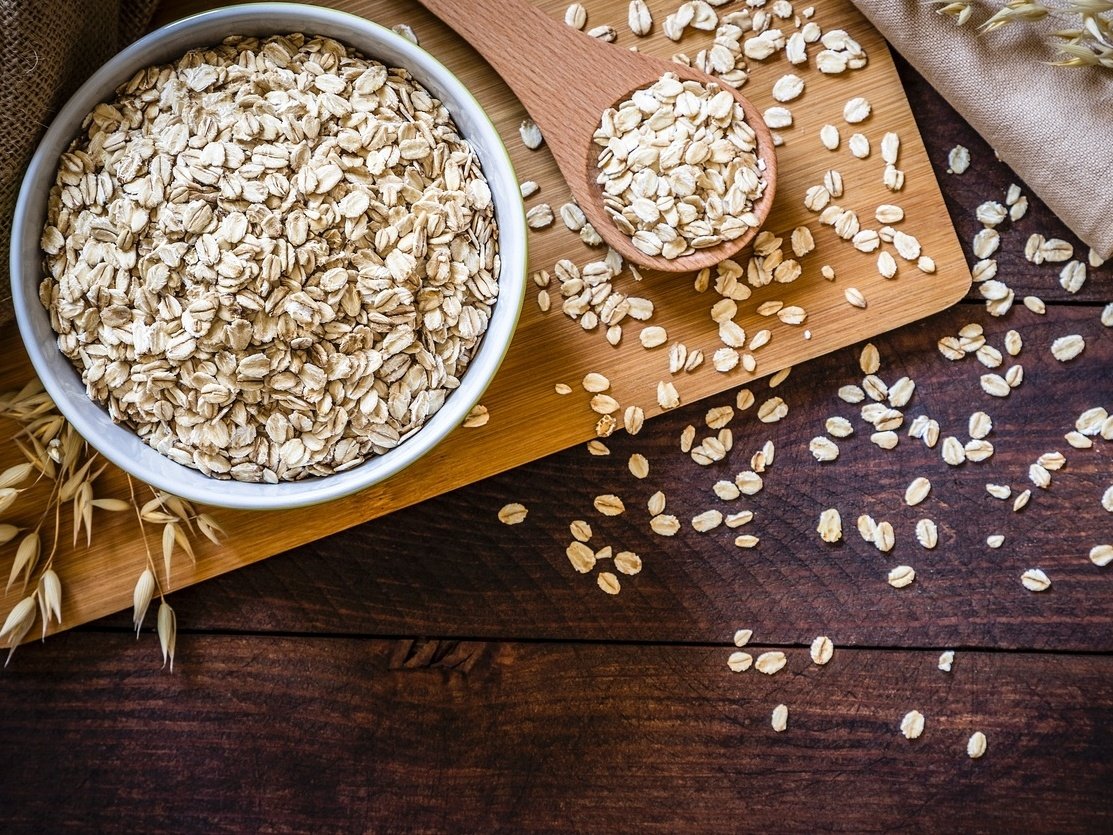
Oat tea can be made in two popular ways: using oat straw (Avena sativa herba)—well known in European herbal traditions—or with rolled oats (the food grain) as a light infusion or quick cold “oat water”. In both cases, you get a gentle, cereal-like, caffeine-free drink that’s easy to enjoy hot or iced.
You may see this labeled as oat straw tea in herbal shops and rolled oats in the food aisle. Community monographs in Europe describe Avena sativa herba as a traditional herbal preparation for light, short-term oral use, with cautions such as not recommended for children under 12 and care for people with celiac disease (possible residual proteins/cross-contact). These notes help frame safety and limits—they are not medical prescriptions.
⚠️ Disclaimer: Educational and culinary information only. This does not replace medical or nutritional advice.
Why Oat Tea Appeals
Oat tea made with straw or with rolled oats yields a clear, delicate cup with a mild grain aroma and natural, gentle sweetness. Longer steeps bring a touch of herbal bitterness (especially with straw), while shorter steeps keep things soft and neutral.
Sensory snapshot (light infusion)
- Aroma: soft, cereal-herbal
- Flavor: delicate; reminiscent of grain cooking water
- Great with: cinnamon, orange or lemon peel, ginger
Culinary benefits & ideas
- Mindful pause: a warm, mild cup invites slow sipping.
- Neutral base: pairs beautifully with homemade syrups and even light mocktails.
- Soluble fiber note (rolled oats): when you use rolled oats in a soak/maceration, some beta-glucan (oat soluble fiber) can move into the liquid. Regulatory opinions recognize oat beta-glucan’s role in maintaining normal blood cholesterol in the context of a balanced diet. This is a general food statement, not a claim for your specific cup.
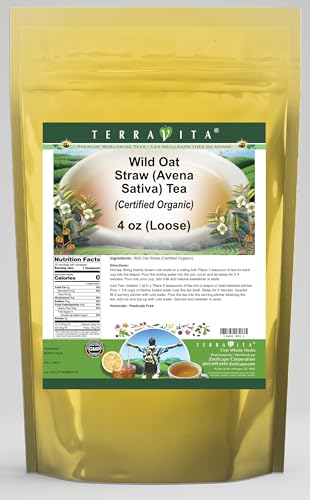
- Wild Oat Straw (Avena Sativa) (Certified Organic) Tea (Loose) (4 oz, ZIN: 518612)
- No fillers.
- Manufacturer: TerraVita
Traditional Context (not medical advice)
In European traditions, oat straw appears as a light herbal infusion for general well-being. Community monographs distinguish traditional, mild aqueous uses from modern concentrated products, and note limits like “not for children <12 yrs” and caution in celiac disease. For everyday culinary use, keep the cup light and the goal sensory/ritual, not treatment.
Nutrition — Rolled Oats (raw) per 100 g
These values describe the food grain (raw rolled oats), not the diluted tea. A brewed herbal infusion typically has ~0–1 kcal per 100 g.
| Component (100 g) | Amount | %DV* |
|---|---|---|
| Energy | 394 kcal | 20% |
| Carbohydrates | 66.6 g | 22% |
| Protein | 13.9 g | 19% |
| Total fat | 8.5 g | 16% |
| Dietary fiber | 9.1 g | 36% |
| Sodium | 5 mg | 0% |
| Potassium | 336 mg | 10% |
| Calcium | 48 mg | 5% |
| Magnesium | 119 mg | 46% |
| Phosphorus | 153 mg | 22% |
| Iron | 4.4 mg | 31% |
| Zinc | 2.6 mg | 37% |
| Manganese | 1.89 mg | 82% |
| Copper | 0.44 mg | 49% |
| Thiamin (B1) | 0.55 mg | 46% |
| Riboflavin (B2) | 0.03 mg | 2% |
| Niacin (B3) | 4.47 mg | 28% |
*Daily Values based on 2,000 kcal/day.
Note: The brewed drink (tea/soak) is mostly water; macronutrients and calories are very low.
How to Make Oat Tea (Two Easy Ways)
1) Oat Straw Infusion (herbal, light)
Yield: 2 cups • Time: 8–10 minutes
Ingredients
- 1 leveled Tbsp dried oat straw (Avena sativa herba)
- 500 ml (2 cups) water
- Optional: orange/lemon peel, cinnamon stick, or ginger slice
Method
- Heat water to a gentle simmer.
- Remove from heat, add oat straw, cover, and steep 8–10 min.
- Strain and serve. Adjust with citrus/spices.
2) “Oat Water” (quick cold maceration with rolled oats)
Yield: 2 cups • Time: 15 minutes
Ingredients
- 2 Tbsp rolled oats
- 500 ml cold water
- Optional: a pinch of cinnamon; citrus zest
Method
- Combine oats and water; soak 10–15 min, stirring once or twice.
- Strain through fine cloth (voile/cheesecloth).
- Serve chilled. Add citrus zest if you like.
Want to master infusion ratios and timing? See How to Prepare Herbal Teas.

- Fine Mesh : Fri4free tea strainers for loose tea use reliable fine mesh that makes the mesh holes distributed evenly and…
- Easy to use: With our threaded lid design, tea infuser for loose tea are easy to open and close by simply screwing. Also…
- Premium Materials: The loose leaf tea infuser is made of 304 food-grade stainless steel, which is safe to use, and resil…
Kitchen Uses
- Base for coolers: oat water is a smooth base for lemon sodas or light fruit spritzers.
- Oat syrup: simmer equal parts oat tea + sugar until lightly thickened; great in iced coffee or over baked fruit.
- Glaze for roasted fruit: brush syrup on apples/pears for a glossy, cereal-kissed finish.
Topical Note (separate from drinking)
Colloidal oatmeal (finely milled for skin use) appears in OTC skin protectant monographs in the U.S. and is mentioned by dermatology associations for soothing baths. This is topical only—different from drinking. Always follow product labels and test on a small area first.
Storage & Sourcing
- Rolled oats: airtight jar, cool/dry place; for best aroma/texture, use within 30–60 days after opening.
- Oat straw: opaque, tightly sealed container; discard if any moisture, mold, or off-odors.
- Growing: Avena sativa is an annual cereal of mild climates; the straw is the dried herbage remaining after grain harvest.
Safety, Contraindications & Practical Cautions
- Gluten / Cross-contact: Oats are naturally gluten-free, but contamination with wheat/rye/barley can occur from field to mill. People with celiac disease should seek certified gluten-free oats and individual guidance—tolerance varies.
- Oat straw products & age: community monographs typically do not recommend for children <12.
- Pregnancy & lactation: evidence is limited for concentrated extracts; keep to light culinary use and ask your professional if in doubt.
- Allergy/FODMAPs: those with oat allergy or FODMAP sensitivity should be cautious.
- Keep sugar modest: if sweetening, prefer light use of unrefined options or fruit syrups.
Educational content only; not a substitute for professional care.
FAQ
1) Are “oat tea,” “oat water,” and “oat milk” the same?
No. Tea/water are infusion/soak preparations; oat milk is a blended plant beverage (different texture/nutrition).
2) Does oat tea have caffeine?
No—oat tea is naturally caffeine-free. Brewed infusions without sugar have very low calories per 100 g.
3) I have celiac disease—can I use any oats?
Choose certified gluten-free oats and consult your provider. Cross-contact is common, and tolerance varies.
4) Does the beta-glucan “work” in tea?
Beta-glucan is in the grain; some can diffuse into oat water, but dilution is high. Health effects relate to overall intake in a balanced diet, not a single light drink.
5) Can kids drink oat straw tea?
Herbal monographs generally do not recommend oat straw products for children under 12. For food oats, follow pediatric guidance.

- 【High-Quality Stone】Our products are made of natural high-quality marble, artificially polished and polished on the outs…
- 【Kitchen Essentials】Select natural marble, more durable and not rusty than stainless steel mortar, healthier than wooden…
- 【Special Gift】In order to make it more convenient for customers to use, we add accessories such as spoons, brushes, and …
Want to learn more?
- Ginger Tea – Benefits and How to Prepare
- Echinacea Tea – Benefits, Uses, and How to Prepare
- Mulberry (Amora) Leaf Tea – Benefits and How to Prepare
Conclusion
Oat tea is a soft, versatile beverage that can anchor a soothing daily ritual and serve as a neutral base for syrups and cool drinks. Using rolled oats brings the grain’s culinary charm (with a nod to beta-glucan in the broader diet), while oat straw offers an herb-leaning cup—best kept light. Mind storage, gluten cross-contact, and the <12 years caution for herbal straw products, and enjoy experimenting with citrus and spices.
⚠️ Informational only. Not medical advice.
Prepare your tea the right way
If you plan to use this plant to make tea, use the Nutritive Blog tea infusion timer. Proper infusion time helps preserve active compounds and ensures better results.
Prepare your tea the right way
If you plan to use this plant to make tea, use the Nutritive Blog tea infusion timer. Proper infusion time helps preserve active compounds and ensures better results.
Author Box

Written by Alexandre Zorek, graduate in Business Administration with postgraduate studies in Botany. Passionate about orchids, photography, and natural foods, and father to Bianca and Beatriz, Alexandre shares reliable, practical knowledge about plants, fruits, teas, and vegetables.