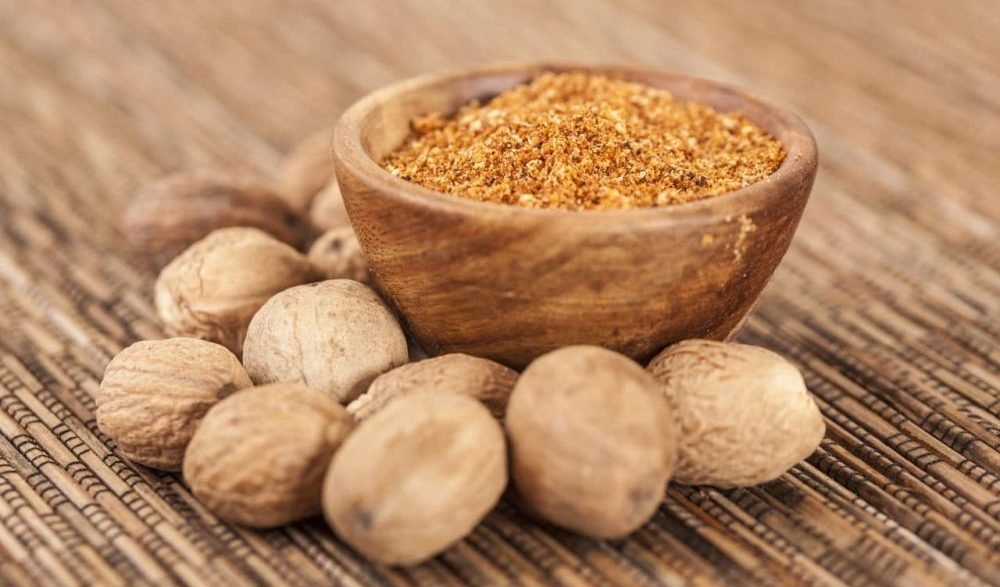
Nutmeg tea is an ancient spice known for its warm aroma and slightly sweet flavor. Widely used in cooking, it has also played an important role in traditional herbal practices for centuries. Beyond flavoring foods, nutmeg has been valued for its digestive, anti-inflammatory, relaxing, and analgesic properties — especially when prepared as a mild herbal tea.
In this complete guide, you’ll learn about the benefits of nutmeg tea, how to prepare it properly, safe usage tips, and important precautions you should always keep in mind.
⚠️ This content is for informational purposes only and does not replace professional medical advice.
What Is Nutmeg?
Nutmeg is the seed of Myristica fragrans, an evergreen tree native to the Spice Islands of Indonesia. The tree can grow up to 50 feet (15 meters) tall and produces two well-known spices:
- Nutmeg – the inner seed
- Mace – the reddish outer covering of the seed
Both have been used historically in cooking and traditional herbal preparations. Due to its distinctive aroma and flavor, nutmeg was once so valuable that it influenced major trade routes and historical conflicts.
Today, nutmeg is commonly used in natural wellness practices for its digestive, calming, and anti-inflammatory effects — when used carefully and in very small amounts.

- WHOLE NUTMEG – adds great nutty flavor to so many wonderful dishes including meat, chicken, vegetables, soups and more.
- PURE – No preservatives, no additives, no MSG, non GMO, no fillers.
- FLAVORS OF THE WORLD – Very common in many authentic recipes from the Middle East, Asia and America.
Nutritional and Phytochemical Compounds in Nutmeg
Although used sparingly, nutmeg contains powerful bioactive compounds, including:
- Myristicin – associated with relaxing effects but psychoactive in high doses
- Elemicin – may stimulate the central nervous system
- Eugenol and safrole – known for antimicrobial and antioxidant properties
- Volatile essential oils – responsible for aroma and therapeutic activity
- Flavonoids and tannins – contribute to anti-inflammatory and cellular protection
These compounds explain nutmeg’s traditional uses — and also why moderation is essential.
Benefits of Nutmeg Tea
1. Supports Digestive Comfort
Nutmeg tea may stimulate digestive juices, helping relieve indigestion, gas, bloating, and mild stomach cramps. Its carminative action supports smoother digestion.
2. Anti-inflammatory and Mild Pain Relief
Thanks to compounds like eugenol, nutmeg tea may help ease muscle soreness, mild joint discomfort, and menstrual cramps when used occasionally.
3. Promotes Relaxation and Better Sleep
In very small doses, nutmeg has a gentle relaxing effect. A warm cup in the evening may help calm the mind and support more restful sleep.
4. Antioxidant and Neuroprotective Support
Research suggests that nutmeg contains compounds that help protect brain cells from oxidative stress, potentially supporting long-term cognitive health.
5. Antimicrobial Properties
Nutmeg essential oils exhibit antimicrobial activity and have traditionally been used to support the body during mild gastrointestinal or respiratory discomfort.
How to Prepare Nutmeg Tea Properly
Nutmeg is a potent spice, so preparation must be precise.
Ingredients:
- A small pinch (no more than ¼ teaspoon) of freshly grated nutmeg
- 1 cup (200 ml) filtered water
- Optional: ginger, cinnamon, or honey (very small amounts)
Preparation:
- Heat the water to about 175–195°F (80–90°C) — do not boil.
- Add the freshly grated nutmeg.
- Cover and steep for 5–10 minutes.
- Strain and drink warm.
⚠️ Important: Never use large amounts of nutmeg. Excess intake may cause nausea, dizziness, hallucinations, or rapid heartbeat.
👉 Learn more about safe preparation methods here:
How to Prepare Herbal Teas Correctly
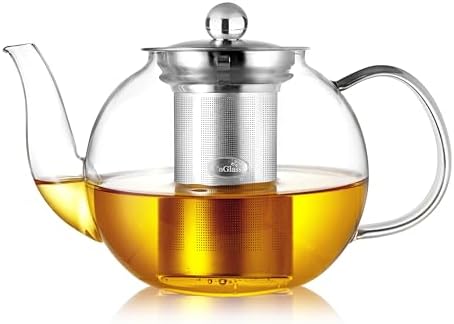
- Stovetop Safe:Durable borosilicate glass teapot used directly in the microwave oven,gas or electric stovetop,use medium …
- Dishwasher Safe:The entire teapot is detachable cleaning and built to last,saving you time on clean up in the kitchen
- Removable Infuser:High-grade 18/10 stainless steel mesh infuser filter for loose teas or blooming teas,the lid fits the …
Other Traditional Uses of Nutmeg
Beyond tea, nutmeg has been used in various forms:
- Tinctures – in extremely small, controlled doses
- Essential oil – for massage in muscle discomfort (external use only)
- Capsules or powder – under professional guidance
- Culinary use – enhances digestion and flavor in sweet and savory dishes
Contraindications and Safety Notes
Nutmeg must always be used with caution.
Avoid use if you:
- Are pregnant or breastfeeding
- Are giving it to young children
- Have epilepsy or neurological disorders
- Take sedatives, antidepressants, or psychoactive medications
Risks of excessive intake:
Consuming more than 5 grams per day may cause:
- Nausea and vomiting
- Disorientation or hallucinations
- Heart palpitations
- In severe cases, hospitalization
Long-term or abusive use may lead to psychological dependence. Nutmeg tea should be occasional, not daily.
Tips for Safe and Effective Use
- Combine with calming herbs like chamomile or fennel
- Drink in the evening to benefit from its relaxing effect
- Always grate nutmeg fresh — pre-ground versions lose potency
- Store whole nutmeg in a cool, dark, dry place

- 【Pure Natural Marble】Made of marble, this mortar and pestle set features a textured interior for improved friction when …
- 【Unique existence】 Due to the change of the natural color of marble, each mortar and pestle is unique, (please allow a s…
- 【Easy to Clean】❤Please note: Due to its natural marble composition, there may be some powder initially. To fix this, gri…
Herbs That Pair Well With Nutmeg
Nutmeg can be gently combined with other herbs:
- Chamomile – relaxation and digestion
- Clove – analgesic and antimicrobial support
- Ginger – anti-inflammatory and warming
- Cinnamon – circulation and metabolic balance
Final Thoughts: Is Nutmeg Tea Worth Trying?
Yes — when used responsibly. Nutmeg tea can be a comforting and beneficial herbal infusion for digestion, relaxation, and mild pain relief. Because of its potency, a very small amount is all that’s needed.
The key is moderation, proper preparation, and respect for its strength. When in doubt, consult a qualified healthcare professional before using nutmeg therapeutically.
Prepare your tea the right way
If you plan to use this plant to make tea, use the Nutritive Blog tea infusion timer. Proper infusion time helps preserve active compounds and ensures better results.
Author Box

Written by Alexandre Zorek
Administrator with postgraduate studies in Botany. Passionate about orchids, photography, and natural nutrition. Father of Bianca and Beatriz. Alexandre shares reliable, practical knowledge about herbs, teas, fruits, and vegetables in an accessible way.