
Myrtle tea (Myrtus communis) is an aromatic evergreen plant native to the Mediterranean region, long valued for both its ornamental beauty and its medicinal properties. Traditionally used in herbal medicine, myrtle leaves and flowers have been employed to support respiratory health, digestion, skin healing, and mild relaxation.
Although less common in modern American kitchens, myrtle tea is gaining attention among herbal enthusiasts and natural wellness seekers for its antimicrobial, anti-inflammatory, and antioxidant properties.
In this article, you’ll learn:
- What myrtle is and how it’s traditionally used
- The main health benefits of myrtle tea
- How to prepare myrtle tea safely and effectively
- Who should avoid using it
- Additional external and internal uses
⚠️ This content is for informational purposes only and does not replace professional medical advice.
What Is Myrtle (Myrtus communis)?
Myrtle is a small evergreen shrub belonging to the Myrtaceae family, the same botanical family as eucalyptus, guava, and clove. It has glossy green leaves, fragrant white flowers, and small dark blue berries.
In European and Middle Eastern traditions, myrtle has been associated with purification, protection, and wellness. In herbal medicine, it is valued mainly for its leaves and flowers, which are rich in essential oils and tannins.
Key characteristics:
- Scientific name: Myrtus communis
- Family: Myrtaceae
- Parts used: leaves and flowers
- Flavor profile: slightly bitter, aromatic, mildly astringent
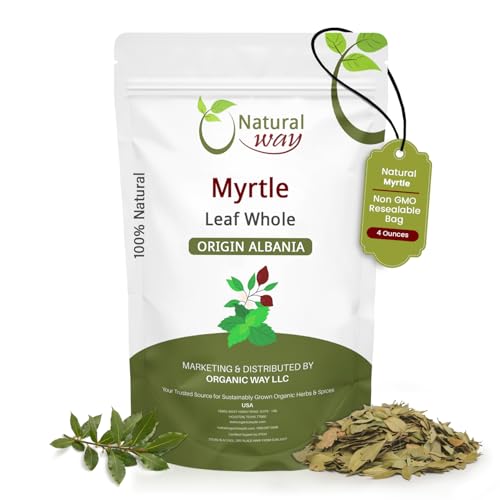
- Premium Quality Whole Leaves: Enjoy the freshness and aroma of Dried Myrtle Leaf Whole, carefully handpicked and natural…
- Natural and Pure: Our myrtle leaves are sourced from trusted growers and dried under controlled conditions to retain the…
- Ideal for Herbal and Culinary Use: Add whole dried myrtle leaves to your favorite herbal tea blends or culinary recipes….
Medicinal Properties of Myrtle
Myrtle contains several bioactive compounds responsible for its therapeutic effects, including:
- Tannins – astringent and anti-inflammatory
- Essential oils (myrtenol, cineole) – antimicrobial and expectorant
- Flavonoids – antioxidant and cell-protective
These compounds make myrtle useful in traditional herbal preparations for both internal and external applications.
Health Benefits of Myrtle Tea
1. Respiratory Support and Expectorant Action
Myrtle tea is traditionally used to help relieve coughs, bronchitis, sinus congestion, and mild respiratory infections. It may assist in loosening mucus and soothing irritated airways.
2. Antimicrobial and Urinary Support
Thanks to its natural antimicrobial properties, myrtle tea has been used in folk medicine to support urinary tract health and reduce mild urinary discomfort.
3. Digestive Comfort
Consumed in moderation, myrtle tea may help ease indigestion, gas, and mild abdominal discomfort due to its astringent and calming effects on the digestive tract.
4. Mild Calming Effect
Some traditional uses suggest myrtle may promote gentle relaxation and help ease mild stress or nervous tension.
5. Skin Healing and External Use
When used topically as a compress, myrtle infusion may support wound healing and help calm minor skin irritations due to its antiseptic and anti-inflammatory properties.
How to Prepare Myrtle Tea
Myrtle tea is typically prepared using dried leaves or flowers through infusion, which preserves its aromatic compounds.
Ingredients:
- 1 teaspoon dried myrtle leaves or flowers
- 1 cup (250 ml) filtered water
Preparation:
- Bring water to a boil.
- Remove from heat and add the myrtle leaves or flowers.
- Cover and steep for 10 minutes.
- Strain and drink warm.
Recommended intake: up to 2 cups per day, preferably between meals.
👉 Learn more about proper infusion techniques here:
How to Prepare Herbal Teas Correctly

- Embrace the convenience of our FINE MESH STRAINER designed as a TEA DIFFUSER. This LOOSE TEA LEAF STEEPER is crafted fro…
- Our Stainless Steel GRIM STEEPER TEA INFUSER acts as an ideal LOOSE LEAF TEA STEEPER, enhancing flavor extraction with i…
- Crafted with care, this STEEL BALL strainer serves not only as a functional LOOSE TEA INFUSER but also adds elegance to …
External Uses: Baths and Compresses
Myrtle Herbal Bath
Traditionally used for relaxation and skin comfort.
- Steep 2 tablespoons of dried myrtle leaves in 1 liter of hot water for 15 minutes
- Strain and add to warm bath water
Compresses
Apply a clean cloth soaked in warm myrtle infusion to minor wounds, inflamed skin, or irritated areas.
Myrtle in Aromatherapy and Natural Skincare
Myrtle essential oil is used in aromatherapy for its fresh, clean aroma, often associated with mental clarity and respiratory comfort.
In natural skincare, myrtle extracts may appear in soaps, toners, and creams designed for oily or acne-prone skin due to their antiseptic properties.
⚠️ Essential oils should never be ingested and must always be diluted for topical use.
Contraindications and Safety Notes
While myrtle is generally safe when used in moderation, it should be avoided or used only with professional guidance in the following cases:
- Pregnancy or breastfeeding
- Young children
- Liver conditions
- Long-term or high-dose use
Excessive consumption may cause gastrointestinal irritation due to the essential oil content.

- Handy Kitchen Tool – Enjoy the rich flavors of fresh ground spices, paste, or herbs with our grinder mortar pestle set. …
- Crafted to Last – Made of solid marble stone, our molcajete bowl won’t easily break or crack even with frequent use. The…
- Beautiful Pill Crusher Set – The stone mortar and pestle are all white with gray accents and a smooth outer finish. This…
Final Considerations
Myrtle tea is a lesser-known but valuable herbal infusion with traditional uses supporting respiratory health, digestion, and skin care. When prepared correctly and consumed responsibly, it can be a meaningful addition to a natural wellness routine.
As with all medicinal herbs, moderation and informed use are essential.
Prepare your tea the right way
If you plan to use this plant to make tea, use the Nutritive Blog tea infusion timer. Proper infusion time helps preserve active compounds and ensures better results.
Author Box

Article written by Alexandre Zorek, graduate in Business Administration with a postgraduate degree in Botany.
A passionate lover of orchids, photography, and natural food — and father of Bianca and Beatriz — he shares trustworthy knowledge about plants, fruits, teas, and vegetables in a clear and practical way.