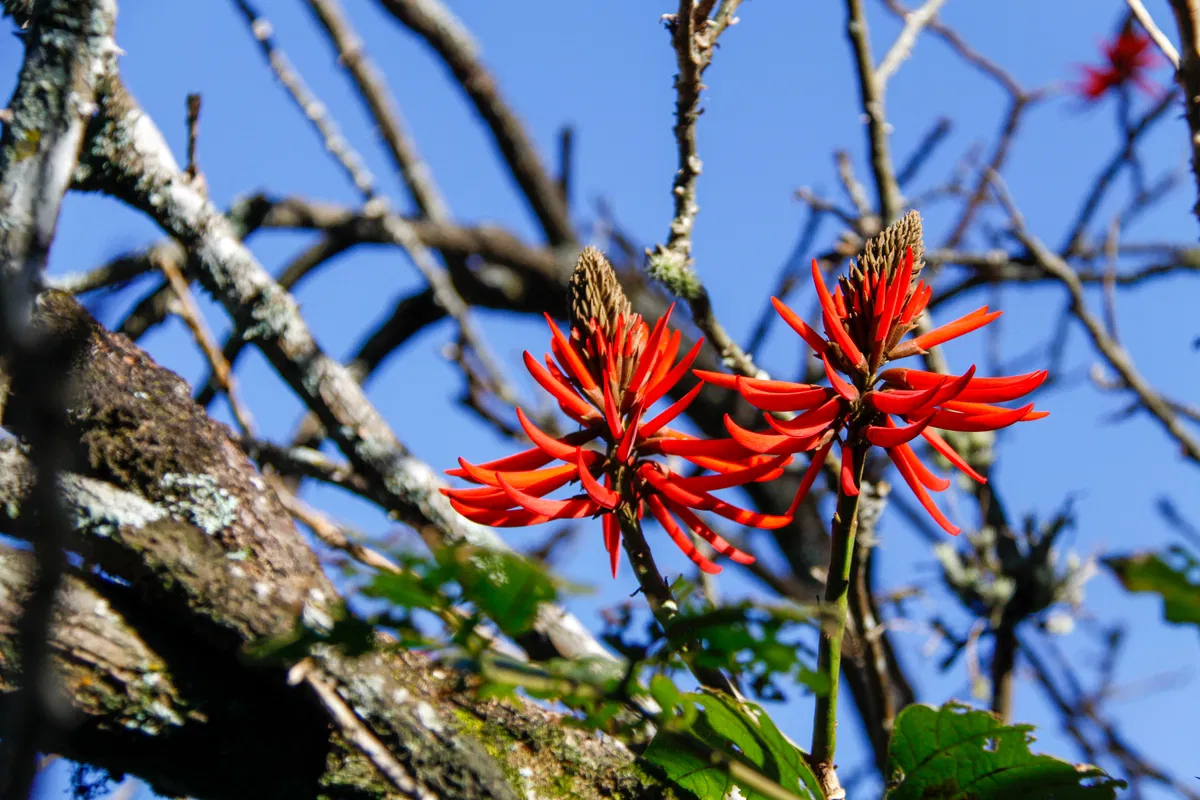
Mulungu (Erythrina mulungu) is a traditional Brazilian medicinal plant widely recognized for its natural calming and sedative properties. Used for generations in herbal medicine, mulungu tea is especially valued for helping reduce stress, ease anxiety, and promote restful sleep — but its benefits go beyond relaxation.
In this complete guide, you’ll learn:
- What mulungu is and how it works
- The main health benefits of mulungu tea
- How to prepare mulungu tea correctly
- Safe dosage, contraindications, and side effects
- Herbal combinations that enhance its calming effects
⚠️ This content is for informational purposes only and does not replace professional medical advice.
What Is Mulungu?
Mulungu is a flowering tree native to South America, especially Brazil, Paraguay, and Bolivia. While its bright red flowers are visually striking, the bark and roots are the parts traditionally used for medicinal purposes.
These parts contain alkaloids and flavonoids that act directly on the central nervous system, which explains mulungu’s long-standing reputation as a natural remedy for anxiety, nervous tension, and insomnia.
Because of this effect, mulungu tea is commonly used in evening routines or during periods of emotional overload.

Main Benefits of Mulungu Tea
1. Natural Anxiety and Stress Relief
Mulungu acts as a plant-based anxiolytic, helping calm the nervous system and reduce symptoms such as restlessness, racing thoughts, and emotional tension — without causing chemical dependency.
It is often chosen by people looking for a more natural alternative to synthetic calming agents.
2. Helps Improve Sleep Quality
One of the most traditional uses of mulungu tea is as a nighttime calming drink. It helps the body relax and may shorten the time it takes to fall asleep, improving overall sleep quality in cases of mild to moderate insomnia.
3. Support for Mild Depressive Symptoms
Because it influences neurotransmitter activity, mulungu may serve as a supportive herbal option for mild depressive states.
It does not replace medication, but may complement professional treatment when properly guided.
4. Mild Analgesic and Anti-Inflammatory Action
Mulungu tea is also used to help relieve:
- tension headaches
- muscle discomfort
- mild inflammatory pain
These effects are linked to its bioactive compounds with natural anti-inflammatory properties.
5. May Support Blood Pressure Balance
Mulungu has a mild hypotensive effect, meaning it may help lower blood pressure gradually in cases of mild hypertension.
⚠️ People already taking blood pressure medication should consult a healthcare professional before use.
How to Prepare Mulungu Tea Correctly
Since mulungu uses hard plant material (bark or root), the correct preparation method is decoction, not infusion.
Ingredients
- 1 tablespoon dried mulungu bark
- 500 ml (about 2 cups) filtered water
Preparation (Decoction)
- Place the water and bark in a saucepan.
- Bring to a boil.
- Once boiling, reduce heat and simmer for 10–15 minutes.
- Turn off the heat, cover, and let rest for another 10 minutes.
- Strain before drinking.
Recommended intake
- Up to 2 cups per day
- Preferably one cup in the evening, about 30 minutes before bedtime
For a full explanation of infusion vs. decoction methods, see:
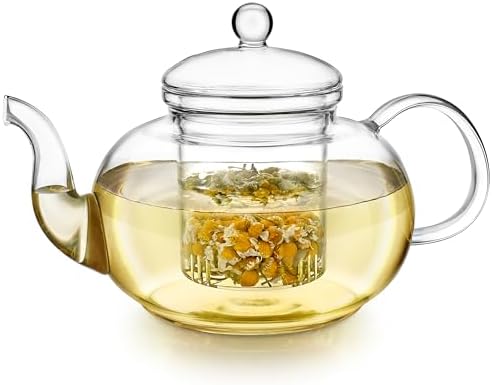
- NON-POROUS BOROSILICATE GLASS TEAPOT & INFUSER – Lead-free borosilicate glass is prized for its ability to resist extrem…
- STOVETOP SAFE & MICROWAVABLE FOR YOUR CONVENIENCE – Because this tea kettle is all clear borosilicate glass (including t…
- AIR PRESSURE RELEASING LID AND STAIN-FREE INFUSER – A well designed glass lid includes a small hole for air pressure rel…
How to Use Mulungu Safely
Mulungu is a potent medicinal plant and should be used with care.
General guidelines
- Do not exceed 2 cups per day
- Avoid continuous use longer than 30 days
- Take breaks or use under professional guidance
Contraindications
Avoid mulungu tea if you:
- are pregnant or breastfeeding
- are under 12 years old
- take sedatives, antidepressants, or anti-anxiety medication
- have low blood pressure
Possible Side Effects
Excessive or improper use may cause:
- excessive drowsiness
- dizziness
- drop in blood pressure
- mild nausea or stomach discomfort
If symptoms occur, discontinue use and consult a healthcare provider.
Tips to Enhance Mulungu’s Calming Effects
- Drink the tea in a quiet, low-light environment
- Combine with breathing exercises, meditation, or gentle stretching
- Avoid caffeine or stimulants near consumption time
Herbal Combinations With Mulungu
Mulungu can be combined with other calming herbs for synergistic effects:
Mulungu + Passionflower
Enhances relaxation and supports deeper sleep.
Mulungu + Chamomile
Gentle combination for anxiety and nervous digestion.
(Prepare mulungu by decoction first, then add the second herb by infusion.)
You may also enjoy:

- 【Pure Natural Marble】Made of marble, this mortar and pestle set features a textured interior for improved friction when …
- 【Unique existence】 Due to the change of the natural color of marble, each mortar and pestle is unique, (please allow a s…
- 【Easy to Clean】❤Please note: Due to its natural marble composition, there may be some powder initially. To fix this, gri…
Interesting Facts About Mulungu
- The name “mulungu” comes from Indigenous Tupi languages and refers to a thorny tree
- It is also known as coral tree or cork tree
- Its flowers attract hummingbirds and are widely used in ornamental landscaping
Final Thoughts: Is Mulungu Tea Worth Trying?
Mulungu tea is a powerful natural ally for emotional balance, relaxation, and sleep support. When used responsibly and prepared correctly, it can be an excellent addition to a natural wellness routine focused on mental calm and nervous system health.
As with all medicinal herbs, moderation and professional guidance are essential.
Prepare your tea the right way
If you plan to use this plant to make tea, use the Nutritive Blog tea infusion timer. Proper infusion time helps preserve active compounds and ensures better results.
Author Box
Written by Alexandre Zorek, graduate in Business Administration, nutrition student, and postgraduate in Botany.
A passionate lover of orchids, photography, and natural food — and father of Bianca and Beatriz — he shares reliable and practical knowledge about plants, fruits, teas, and vegetables.