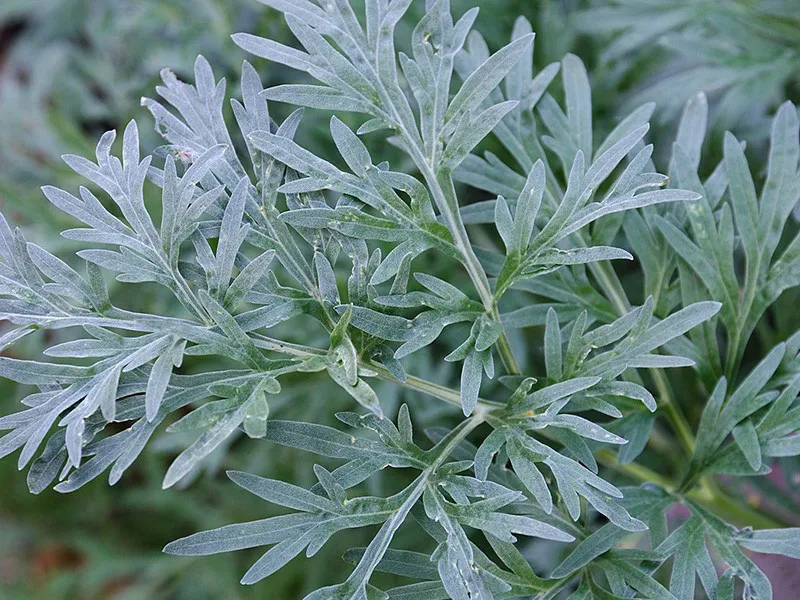
Mugwort tea is an aromatic herbal infusion made from the aerial parts (leaves and flowering tops) of plants belonging to the Artemisia genus.
In English, it’s commonly known as mugwort tea (Artemisia vulgaris), though other related species also appear under the same name — such as wormwood (Artemisia absinthium, with a stronger bitter taste) and sweet wormwood (Artemisia annua).
The tea has a herbal, slightly resinous, and gently bitter profile — a unique option to diversify hydration, served hot or iced, when prepared lightly and mindfully.
Because several Artemisia species share similar common names, it’s essential to check the scientific name on the label.
Official European monographs recognize A. absinthium (wormwood) as a traditional bitter herb used in aqueous preparations — but with strict limits and safety warnings due to compounds such as thujone.
Meanwhile, public health agencies note that for A. vulgaris (mugwort), safety evidence is limited, and pregnancy use is contraindicated. 【NCCIH】【fitoterapia.net】
🌿 What Is Mugwort Tea and Why People Like It
Mugwort tea is prepared by infusing dried or fresh leaves in hot water.
The result is a herbal-bitter beverage with a soft, earthy aroma that blends beautifully with lemon, orange, ginger, or cinnamon — whether served warm or chilled.
In the kitchen, it also adds depth to syrups, herbal jellies, and sauces for roasted vegetables.
Sensory profile (light infusion):
- Aroma: herbal, slightly resinous with green notes
- Flavor: mildly to moderately bitter, depending on steep time
- Color: pale golden to light amber
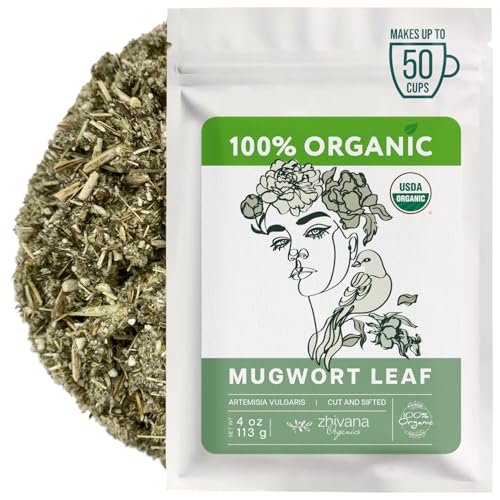
- 🌿USDA Organic Mugwort Leaf Tea (Artemisia Vulgaris): Widely known herb for numerous health benefits, our Mugwort Leaf is…
- 🌿Digestion: Mugwort is known to support digestion, alleviate bloating.
- 🌿Women Cycle: It may support healthy women’s cycle, ease cramps and other PMS symptoms.
🍵 Culinary Benefits and Interesting Facts
- Mindful ritual: a warm cup of mugwort tea can create a moment of calm and focus.
- Layered flavor: the subtle bitterness appeals to those who enjoy tonic, earthy notes; it pairs well with citrus and ginger.
- Culinary versatility: makes excellent herbal syrups, fruit-based jams, and aromatic reductions.
- Tradition with caution: official monographs acknowledge A. absinthium (wormwood) as a traditional bitter, but emphasize safety limits. For A. vulgaris (mugwort), public centers highlight gaps in evidence and warn against use during pregnancy. 【NCCIH】【fitoterapia.net】
🪶 Traditional and Cultural Uses
European records describe wormwood (A. absinthium) as a traditional bitter herb used in infusions and tinctures.
The modern interest in sweet wormwood (A. annua) emerged primarily for pharmaceutical research, not for homemade tea.
Public health organizations stress that DIY preparations should not replace medical treatments.
In daily life, a light mugwort infusion can be appreciated for its flavor and aroma — not for therapeutic claims. 【WHO】【fitoterapia.net】
📊 Nutritional Table — Dried Mugwort Leaves (A. argyi, 100 g dry basis)
The following values describe the raw dried herb (100 g), not the ready-to-drink tea.
In brewed tea, nutrients are highly diluted — a typical serving uses only 1–2 g of leaves.
| Component (100 g – dried leaves) | Amount | %DV* |
|---|---|---|
| Energy | ≈265 kcal | 13% |
| Carbohydrates | 57.1 g | 19% |
| Protein | 2.6 g | 3% |
| Total Fat | 2.7 g | 5% |
| Crude Fiber† | 21.1 g | — |
| Ash (minerals) | 6.7 g | — |
| Vitamin C | ≈7.4 mg | 16% |
* %DV for adults (2,000 kcal diet).
† “Crude fiber” is an older lab method (Weende) and differs from dietary fiber on food labels.
Source: nutritional analysis of Artemisia argyi dried leaves, IJISRT Journal.
Note: The brewed infusion (unsweetened) typically contains ~0–1 kcal per 100 g, with macronutrients in trace amounts — similar to other herbal teas.
🫖 How to Prepare Mugwort Tea (Practical Recipe)
Yields: 2 cups • Time: 8–12 minutes
Ingredients
- 1 level tablespoon of dried mugwort leaves (Artemisia vulgaris or A. absinthium)
- 500 ml of water
- Optional: lemon/orange slices, a thin slice of ginger, or a cinnamon stick. Sweeten if desired with molasses or cane sugar.
Preparation (infusion method):
- Heat water until it begins to simmer (don’t boil hard).
- Turn off the heat, add mugwort leaves, cover, and steep for 7–10 minutes.
- Strain gently and serve. Adjust with citrus or spices to taste.
- For a more bitter flavor, steep an additional 2–3 minutes.
- For a lighter taste, reduce the steeping time.
Learn more: Practical Guide — Everyday Herbal Infusions
Flavor Variations
- Citrus Refreshing: mugwort + lemon/orange + ice
- Herbal Warm: mugwort + ginger + cinnamon
- Light Tonic: brief steep, for a mild herbal touch

- ✔ UNLOCK NEW FLAVORS – THE ONLY TEA STRAINER WITH ADVANCED Ultra-Mesh Technology: We tested endless iterations of micro-…
- ✔ UNRIVALED CRAFTSMANSHIP, UNPARALLELED VALUE: While most tea infuser sets are 304 STAINLESS STEEL ‘coated’, ours is SOL…
- ✔ LARGE CAPACITY – MORE TEA FOR EVERYONE: Set includes 2 tea infusers, 2 drip trays and 1 tea scoop. Now you can brew te…
🍯 Culinary Uses and Creative Ideas
- Mugwort Syrup: simmer water + sugar (or molasses) + mugwort leaves; strain and use for mocktails or roasted fruits.
- Base for jams: adds depth to peach or orange jams.
- Aromatic water for cooking: briefly infuse mugwort and citrus in water before boiling potatoes or carrots for a mild tonic flavor.
- Herbal ice cubes: freeze concentrated tea for sparkling water infusions.
🌸 Cosmetic or Aromatic Use (with Caution)
In folk and wellness practices, cooled mugwort tea may be used in herbal baths or compresses for its aroma.
However, do a skin patch test, avoid eyes and mucous membranes, and stop if irritation occurs.
Mugwort pollen is a known seasonal allergen, so those with sensitivities should handle with care. 【PMC】
🌱 Storage and Cultivation
Storage Tips
- Keep the dried herb in a sealed container, away from light, heat, and humidity.
- Crush only before brewing to preserve aroma.
- Discard if mold or strong odors develop.
Home Growing (Basic Care)
- A. vulgaris is hardy and thrives in full sun or partial shade, in well-drained soil.
- Water regularly but avoid overwatering.
- Harvest young, clean shoots intended for culinary use, and dry them naturally in a shaded, ventilated area.
⚠️ Precautions, Contraindications, and Safety
- Pregnancy & Lactation: Avoid. Both A. vulgaris (mugwort) and A. absinthium (wormwood) are not recommended during pregnancy. 【NCCIH】【fitoterapia.net】
- Allergies: Mugwort belongs to the Asteraceae family (like daisies and ragweed). Individuals with seasonal allergies should exercise caution. 【PMC】
- Thujone (wormwood): Present in essential oil — avoid high concentrations or prolonged use.
- Digestive sensitivity: People with ulcers, acid reflux, or known hypersensitivity should avoid strong infusions.
- Interactions: Regular or concentrated use should be discussed with a healthcare professional.
- Identification: Use labeled products (species, part used, batch, source).

- HIC Kitchen Tall Mortar And Pestle Set: Grinds spices, herbs, nuts, seeds, and grains into fine paste or powder; ideal f…
- Durable Solid Carrara Marble: Mortar measures 4 x 4-inches, pestle measures 5 x 1.25-inches; tall bowl design offers add…
- Multiple Culinary Uses: Make curry pastes, pesto, guacamole, salsa, chutneys, nut butters, flavored salts, coffee ground…
❓ Frequently Asked Questions (FAQ)
1) Is “mugwort” always the same plant?
No. It may refer to A. vulgaris (mugwort), A. absinthium (wormwood), or A. annua (sweet wormwood). Always check the scientific name on the label. 【fitoterapia.net】【NCCIH】
2) Does the tea taste very bitter?
It depends on the steeping time and species. Start with a light infusion (7–8 minutes) and adjust to taste.
3) Can I boil the leaves?
For a stronger flavor, a brief simmer (1–2 minutes) followed by steeping works well. Avoid excessive concentrations.
4) Does it contain caffeine?
No. Mugwort tea is naturally caffeine-free and very low in calories.
5) Can pregnant women drink mugwort tea?
No. Both A. vulgaris and A. absinthium are contraindicated during pregnancy. 【NCCIH】
6) Can I drink it every day?
Enjoy occasionally. For frequent or intentional use, consult a qualified health professional.
📚 Recommended Reading
- EMA/HMPC – Artemisia absinthium (wormwood): Official European monograph describing traditional uses, dosages, and warnings. 【fitoterapia.net】
🔗 Related Articles on Nutritive Blog
- Hibiscus Tea — Benefits and How to Prepare
- Anise Tea — Benefits and How to Prepare
- Mulberry Leaf Tea — Benefits and How to Prepare
🌼 Conclusion
Mugwort tea offers a unique herbal-bitter flavor ideal for mindful moments and culinary creativity.
It adds a refined tonic note to beverages and recipes when used moderately and with proper identification of the species.
Given the safety warnings (pregnancy, allergies, thujone in A. absinthium), always prioritize moderation, product traceability, and professional advice when in doubt.
⚠️ Final Reminder: This content is informational and does not replace professional medical or nutritional guidance.
Prepare your tea the right way
If you plan to use this plant to make tea, use the Nutritive Blog tea infusion timer. Proper infusion time helps preserve active compounds and ensures better results.
✍️ Author Box

Written by Alexandre Zorek, graduate in Business Administration and postgraduate in Botany.
Passionate about orchids, photography, and natural nutrition, and father of Bianca and Beatriz, Alexandre shares reliable, practical knowledge about plants, fruits, teas, and vegetables.