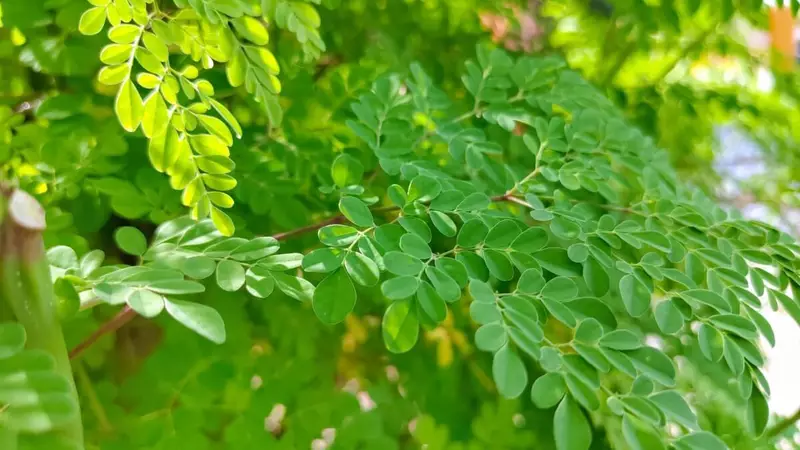
Moringa tea (Moringa oleifera) is widely known as the “Tree of Life” due to its exceptional nutritional density and medicinal potential. Native to India and now cultivated throughout tropical and subtropical regions, moringa has been used for centuries as a natural ally for overall health and vitality.
In recent years, moringa tea has gained popularity among people seeking natural ways to support immunity, digestion, metabolic balance, and antioxidant protection.
In this complete guide, you’ll discover:
- What moringa is and why it’s so valued
- The main health benefits of moringa tea
- How to prepare moringa tea correctly
- Safe dosage and contraindications
- Practical daily uses and combinations with other herbs
⚠️ This content is for informational purposes only and does not replace professional medical advice.
What Is Moringa?
Moringa oleifera is a fast-growing, drought-resistant tree with small green leaves, white flowers, and long seed pods commonly called “drumsticks.” Nearly every part of the plant is used in traditional nutrition and herbal practices, including the leaves, seeds, flowers, and oil.
The leaves are especially valued for their impressive nutrient profile, which includes:
- Plant-based protein
- Iron and calcium
- Magnesium and potassium
- Vitamin A and vitamin C
- Powerful antioxidants such as quercetin and chlorogenic acid
⚠️ The root is not recommended for consumption due to potentially toxic compounds.
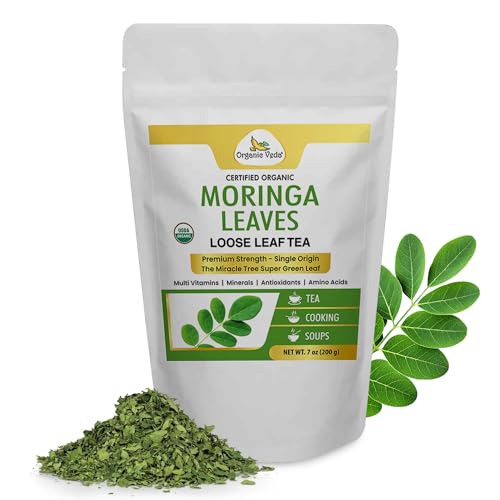
- Exceptional Nutrition Support: Organic Moringa Leaf contains 20 types of amino acids, over 40 types of antioxidants, and…
- Optimum Health & Wellbeing Naturally: Regular consumption of this caffeine-free moringa tea may elevate your energy leve…
- Boosts Your Metabolism Naturally: Packed with antioxidants and nutrients, these green moringa tea leaves work synergisti…
Health Benefits of Moringa Tea
1. Powerful Antioxidant and Anti-Inflammatory Action
Moringa leaves are rich in polyphenols and flavonoids that help combat oxidative stress and chronic inflammation—two key contributors to aging and degenerative diseases.
2. Supports Blood Sugar Balance
Studies suggest that moringa may help regulate blood glucose levels, making moringa tea a supportive option for people with type 2 diabetes or insulin resistance, when used alongside professional care.
3. Helps Reduce Cholesterol
Regular consumption of moringa may help lower LDL (“bad”) cholesterol and support cardiovascular health by improving lipid balance.
4. Strengthens the Immune System
Thanks to its vitamin C, iron, and antioxidant content, moringa supports immune defenses and may help the body respond better to infections and seasonal illness.
5. Improves Digestion and Gut Health
Moringa tea has a mild digestive and cleansing effect. It may help relieve:
- bloating
- sluggish digestion
- mild constipation
Its compounds also support intestinal balance.
6. Liver Support and Gentle Detox Action
Research indicates that moringa may protect liver cells from oxidative damage and assist natural detoxification processes.
7. Skin and Hair Health
The antioxidants and micronutrients in moringa support:
- collagen production
- skin elasticity
- wound healing
- stronger, healthier hair growth
How to Use Moringa in Daily Life
Moringa is highly versatile and can be consumed in several forms:
- Dried leaves for tea
- Powdered leaf added to smoothies or yogurt
- Capsules or standardized supplements
- Leaf-infused water
- Moringa seed oil for cosmetic use
⚠️ Avoid using moringa root products.
How to Prepare Moringa Tea Correctly
Preparing moringa tea the right way helps preserve its bioactive compounds.
Ingredients
- 1 tablespoon dried moringa leaves
- 250 ml (1 cup) filtered water
Preparation (Infusion)
- Heat the water to about 190°F (88–90°C) — just before boiling.
- Turn off the heat.
- Add the moringa leaves and cover.
- Steep for 5–10 minutes.
- Strain and drink warm or cold.
💡 Do not boil the leaves directly, as excessive heat may degrade nutrients.
For a deeper understanding of infusion vs. decoction, see:

- Durable Glass Teapot with Infuser: This teapot is made from heat-resistant borosilicate glass, ensuring safe use on stov…
- Microwave & Stovetop Safe Glass Teapot: Designed for convenience, this glass teapot with infuser is safe for microwave a…
- High-Quality Stainless Steel Infuser: The removable stainless steel infuser is perfect for brewing loose tea, blooming t…
Safe Use, Dosage, and Contraindications
Although natural, moringa should be used responsibly.
Recommended intake
- 1–2 cups per day for most adults
Avoid or use caution if you:
- are pregnant or breastfeeding
- have low blood pressure
- experience digestive sensitivity
- are using blood pressure or blood sugar medication
Possible side effects (with excessive use):
- nausea
- stomach discomfort
- laxative effect
Always consult a healthcare professional before long-term use.
Moringa for Skin and Hair (External Use)
Moringa is widely used in natural skincare and hair care.
For the skin:
- Helps calm inflammation
- Supports acne-prone skin
- Improves brightness and hydration
For the hair:
- Strengthens hair follicles
- Supports growth
- Helps reduce dandruff
Moringa oil or leaf powder masks are commonly used in natural routines.
Herbal Combinations With Moringa
Moringa pairs well with other herbs for functional teas:
- With ginger → stronger anti-inflammatory support
- With hibiscus → antioxidant + fluid balance
- With horsetail → mineral and urinary support
- With mint → digestive comfort and flavor
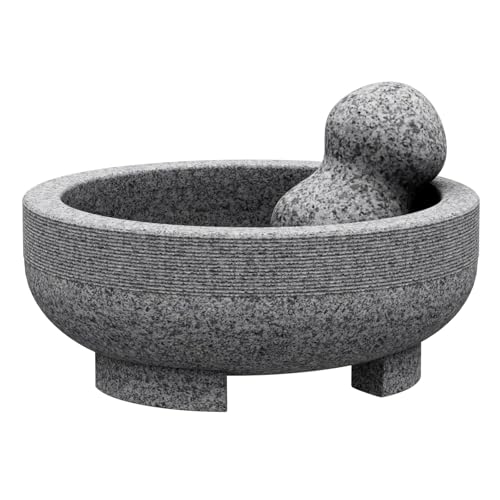
- Large Capacity: The Mortar dimension: 3.54 H x 7.87 W x 7.87 D inches, about 3-4 cups of large capacity. and the pestle:…
- DIY Sauce Grinding Tool: An essential sauce grinding tool for every home, use granite mortar and pestle to grind, crush,…
- Excellent Material: The mortar and pestle set is made of 100% natural granite, the texture is hard and safe to use.
Storage Tips
- Store dried leaves or powder in an airtight container
- Keep away from light, heat, and moisture
- Use within recommended shelf life to avoid oxidation
Final Thoughts: Is Moringa Tea Worth It?
Yes. Moringa tea is a nutrient-rich, functional herbal infusion that supports immunity, digestion, metabolic balance, and overall vitality. When consumed in moderation and prepared correctly, it can be a valuable addition to a natural wellness routine.
As with any medicinal plant, respect dosage guidelines and individual needs.
Prepare your tea the right way
If you plan to use this plant to make tea, use the Nutritive Blog tea infusion timer. Proper infusion time helps preserve active compounds and ensures better results.
Author Box

Written by Alexandre Zorek
Administrator and postgraduate in Botany. Father of Bianca and Beatriz. Passionate about orchids, natural health, photography, and educational content. Alexandre specializes in turning plant science into clear, practical guidance for everyday wellness.