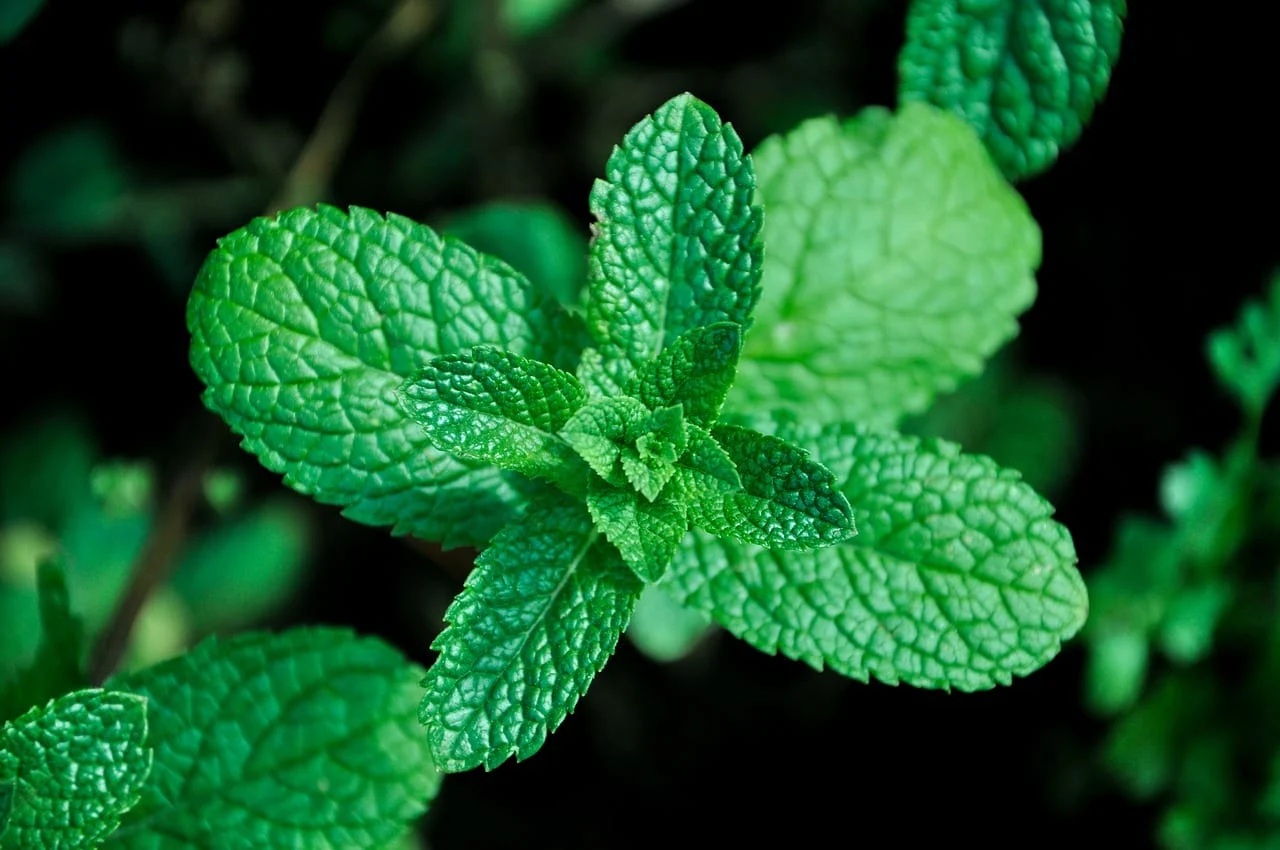
Mint tea is an open invitation to freshness — a crisp aroma that clears your breathing, a cooling menthol flavor that awakens the senses, and a light, refreshing feeling that fits any moment of the day.
Commonly known as mint (usually Mentha spicata, also called spearmint, green mint, or common mint), and sometimes as peppermint (Mentha × piperita), this herb has earned a permanent spot in kitchens and teacups for blending pleasure and well-being — a simple harmony between flavor and care.
Whatever the variety, what captivates us is the refreshing aroma and versatility — delicious hot or cold, plain or paired with fruits and spices. Best of all, preparing mint tea is simple, quick, and soothing, perfect for those who want a gentle daily ritual.
In this article, you’ll discover how mint tea can fit into your wellness routine — exploring daily benefits, traditional uses, recipes, nutritional facts, culinary applications, cultivation tips, and FAQs.

- HERBAL POWER: Supports healthy digestion
- TASTE: Minty, earthy and slightly sweet.
- Inspired by tradition: Peppermint is blended with it’s milder herbal cousins, spearmint and lemon balm, and a probiotic …
🌿 Nutritional Composition (per 100 g of Fresh Mint Leaves)
| Nutrient | Amount | %DV |
|---|---|---|
| Energy | 44 kcal | – |
| Carbohydrates | 8.41 g | 3% |
| Proteins | 3.29 g | 4% |
| Total Fat | 0.73 g | 1% |
| Saturated Fat | 0.19 g | 1% |
| Fiber | 6.80 g | 27% |
| Vitamin A | 203 µg | 34% |
| Vitamin C | 13.3 mg | 30% |
| Folate (B9) | 105 µg | 26% |
| Calcium | 199 mg | 20% |
| Iron | 11.87 mg | 85% |
| Magnesium | 63 mg | 15% |
| Potassium | 458 mg | 9% |
| Sodium | 30 mg | 1% |
Sources: USDA FoodData Central, FoodStruct Database.
Values are approximate and may vary depending on species and soil conditions.
💡 Tip: Mint tea is naturally low in calories — its benefits come mainly from aromatic compounds such as menthol, menthone, and carvone, responsible for its distinctive cooling effect and fresh aroma.
🍃 Benefits and Culinary Curiosities of Mint Tea
Mint tea is a timeless beverage that transcends cultures — from North Africa and the Middle East to Europe and Latin America, it symbolizes hospitality, comfort, and care.
🌬️ Why People Love It
- Refreshing sensation: Menthol creates a cooling feeling in the mouth and nose, often bringing comfort after a heavy or spicy meal.
- Aromatic pause: The act of preparing mint tea itself invites calm; its scent fills the room with freshness.
- Versatility: Hot for cozy evenings, iced for warm afternoons — it’s always welcome.
- Perfect pairing: Pairs beautifully with ginger, lemon peel, cinnamon, or hibiscus for complex flavors.
- Cultural touch: In many traditions, mint tea is served to welcome guests — a toast to connection and well-being.
☕ How to Make Mint Tea (Hot and Iced)
Time: 10 minutes | Yield: 2 cups
🫖 Ingredients
- 12–15 fresh mint leaves (washed)
- 500 ml (2 cups) of water
- Optional: lemon peel or a slice of fresh ginger
- For iced tea: ice cubes and juice of ½ lemon
🔥 Hot Version
- Heat the water until small bubbles form (before boiling).
- Remove from heat, add mint leaves, and cover.
- Let steep for 5–7 minutes.
- Strain and serve warm. Optionally, add lemon peel for extra aroma.
❄️ Iced Version
- Prepare the tea as above and let it cool.
- Serve over ice and finish with lemon juice.
💡 For perfect brewing temperatures and infusion times, check out our guide: How to Prepare Herbal Teas Correctly.

- REDEFINE YOUR BREWING PROCESS- Made from premium grade borosilicate high heat resistant glass, our glass teapot is 100% …
- SAFE & EASY TO USE: The Hiware Glass Teapot with Mesh Infuser boasts a minimal design and in a breeze to use. It can be …
- FANTASTIC CHOICE- Our teapot comes in an elegant shape and assures the best quality, making it an ideal gift choice, no …
🍽️ Culinary Uses of Mint Tea and Leaves
Mint is a culinary gem beyond the teacup — it brightens salads, desserts, sauces, and drinks.
- Mint refresher: Iced mint tea with lemon and cucumber slices — hydrating and aromatic.
- Mint syrup: Make a strong infusion, add raw sugar, and simmer until slightly thick. Perfect for drizzling over fruit or pancakes.
- Fragrant rice: Add torn mint leaves to hot rice just before serving.
- Mint salad: Combine with cucumber, yogurt, lemon, and olive oil — instant freshness.
- Minted fruits: Strawberries with chopped mint and a hint of lime make a light, flavorful dessert.
💧 Cosmetic Use (With Caution)
Some people apply cold mint tea compresses to the skin for a cooling effect.
⚠️ However, menthol and essential oils may irritate sensitive skin. Avoid applying pure essential oils directly. Always test first and never use on wounds or near the eyes.
🌱 Storage and Cultivation Tips
Storage
- In the fridge: Place mint sprigs in a small glass of water (like flowers) and cover loosely with a plastic bag. Change water daily.
- Loose leaves: Store dry in a container lined with paper towel (lasts 3–5 days).
- Freezing: Chop and freeze with water in ice cube trays — perfect for quick tea or sauces.
Cultivation
- Light: Prefers partial sun to light shade.
- Soil: Light, fertile, and well-drained.
- Watering: Regular — keep moist but not soaked.
- Pruning: Trim tips to encourage bushy growth.
- Container: Mint spreads quickly; plant separately or with barriers.
💡 According to the World Health Organization (WHO), a balanced diet should include at least 400 g of fruits and vegetables daily — mint tea is a pleasant addition to that lifestyle.
⚠️ Precautions and Considerations
- Acid reflux: For some people, mint may worsen heartburn symptoms. Observe your tolerance.
- Gallstones: Avoid concentrated mint oils without medical supervision.
- Children: Keep essential oils out of reach; prefer mild infusions.
- Pregnancy & lactation: Use in moderation and seek professional advice.
- Medications: Always consult your doctor before regular consumption if you take prescription drugs.
❓ Frequently Asked Questions (FAQ)
1. Does mint tea help with weight loss?
No tea alone causes weight loss. Mint tea can support a healthy lifestyle by replacing sugary drinks and adding flavor to your hydration routine.
2. Can I drink mint tea at night?
Yes! Many people enjoy it before bed. If menthol feels stimulating, try a smaller cup and see how your body responds.
3. How many cups a day are recommended?
Usually, 1–3 cups are enough. The iced version is excellent for hydration on hot days.
4. Can children drink mint tea?
Mild infusions are generally well tolerated, but avoid strong concentrations and essential oils.
5. Does mint tea contain caffeine?
No — mint tea is naturally caffeine-free.
6. Can I sweeten it?
Yes, but lightly. Lemon juice is a great natural enhancer without sugar.
7. Peppermint vs. Spearmint — what’s the difference?
Peppermint (Mentha × piperita) has a stronger, cooler flavor; spearmint (Mentha spicata) is milder and slightly sweeter. Choose based on your preference.

- Handy Kitchen Tool – Enjoy the rich flavors of fresh ground spices, paste, or herbs with our grinder mortar pestle set. …
- Crafted to Last – Made of solid marble stone, our molcajete bowl won’t easily break or crack even with frequent use. The…
- Beautiful Pill Crusher Set – The stone mortar and pestle are all white with gray accents and a smooth outer finish. This…
✅ Conclusion
Mint tea is a small daily ritual that brings freshness, calm, and flavor to life.
It fits easily into a balanced lifestyle, encourages hydration, and inspires creative variations — hot at night, iced in the afternoon, paired with lemon or ginger.
If you’re looking for simple, natural well-being, mint is a generous ally.
👉 Explore more related articles on Nutritive Blog:
- Chamomile Tea: Tradition, Flavor, and Well-Being
- Ginger Tea: Warmth and Energy for Everyday Life
- Hibiscus Tea: Vibrant Color and Refreshing Taste
⚖️ Disclaimer: This content is for informational purposes only and does not replace medical or nutritional advice.
Prepare your tea the right way
If you plan to use this plant to make tea, use the Nutritive Blog tea infusion timer. Proper infusion time helps preserve active compounds and ensures better results.
📌 Author Box

Written by Alexandre Zorek, graduate in Business Administration, nutrition student, and postgraduate in Botany.
A passionate lover of orchids, photography, and natural food — and father of Bianca and Beatriz — he shares reliable and practical knowledge about plants, fruits, teas, and vegetables.