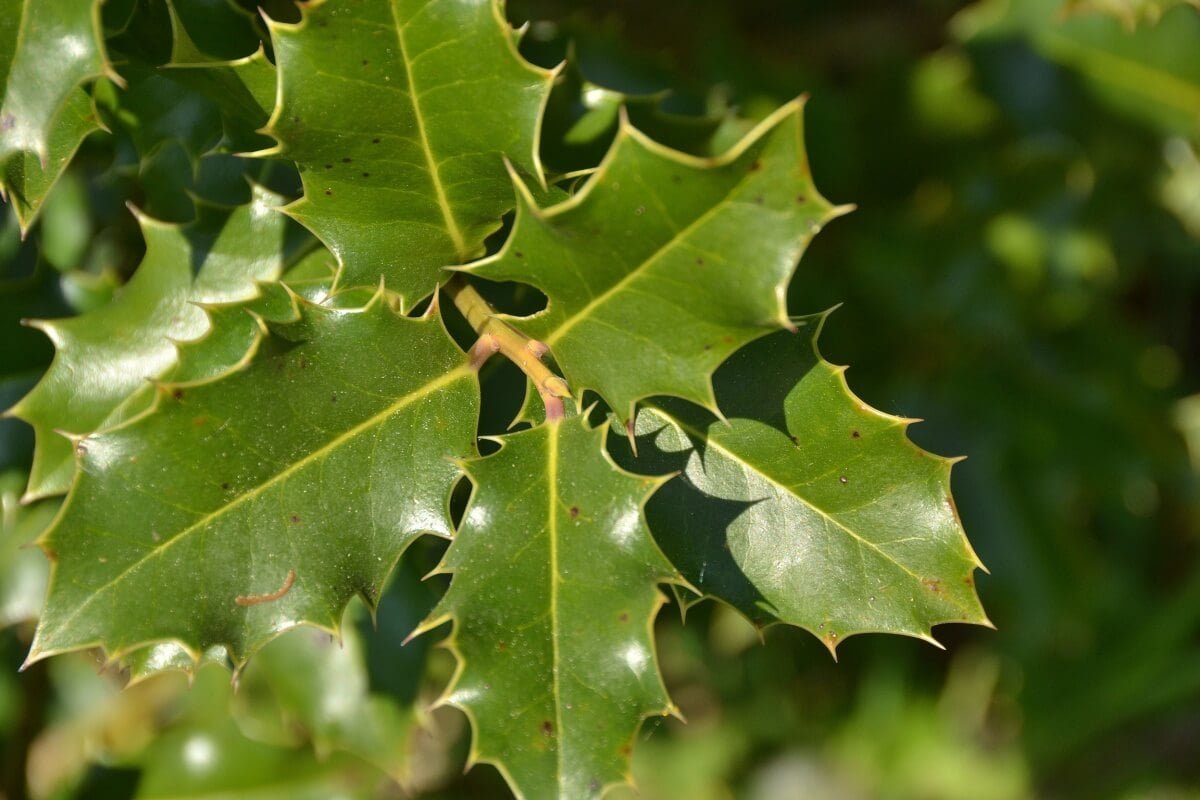
Maytenus tea (Maytenus ilicifolia), commonly known as espinheira-santa, is a plant native to South America, especially found in Brazil, Paraguay, and Argentina. Its leaves have been used for centuries to make traditional teas that are part of popular culture and recognized herbal medicine practices.
The tea is appreciated for its distinct flavor and for the tradition linked to well-being after meals. More than just a hot drink, espinheira-santa represents a connection between ancestral knowledge and the search for natural balance.
In this article, you’ll discover curiosities, traditional uses, a simple recipe, storage tips, and precautions to observe when including this plant in your daily life.
🌿 Nutritional Table – Maytenus (Dried Leaves, 100 g)
| Nutrient | Amount | %DV* |
|---|---|---|
| Energy | 208 kcal | 10% |
| Carbohydrates | 43.8 g | 15% |
| Proteins | 5.2 g | 7% |
| Fiber | 15.4 g | 62% |
| Calcium | 540 mg | 54% |
| Iron | 9.3 mg | 66% |
| Magnesium | 152 mg | 58% |
| Potassium | 742 mg | 16% |
| Vitamin C | 21.4 mg | 24% |
*% Daily Values are based on a 2,000 kcal diet.
Sources: USDA FoodData Central | TACO/Unicamp
🌱 Benefits and Cultural Curiosities
- Popularly known as the “miracle herb for the stomach,” espinheira-santa has been valued in southern Brazil since the Guarani Indigenous peoples.
- The tea has long been a family tradition, especially during celebrations or after heavy meals.
- It is officially recognized by Brazil’s Ministry of Health as one of the medicinal plants of interest in the SUS (Brazilian Public Health System), used in herbal medicine programs.
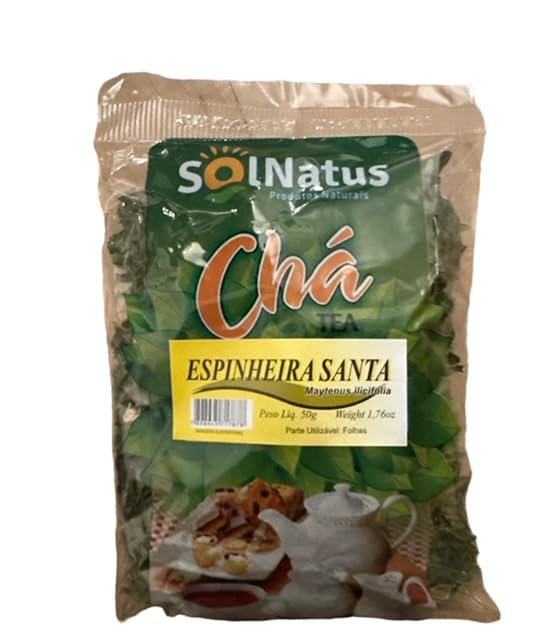
🏺 Traditional and Popular Uses
- In folk culture, Maytenus tea is traditionally consumed after meals.
- Rural communities often describe it as a “digestive relief drink.”
- Its use is passed down through generations, especially in Paraná, Santa Catarina, and Rio Grande do Sul.
🍵 Simple Maytenus Tea Recipe
Ingredients:
- 1 tablespoon of dried espinheira-santa leaves
- 250 ml (1 cup) of water
Preparation:
- Bring the water to a boil.
- Add the leaves and turn off the heat.
- Cover and steep for 5 to 10 minutes.
- Strain and drink warm, unsweetened or with a touch of honey.
🍽️ Culinary and Cosmetic Uses
- Although most known for the tea, espinheira-santa is also used in extracts and capsules, always under professional guidance.
- In cosmetic applications, the plant appears in handmade soaps and shampoos, valued for its traditional natural use.
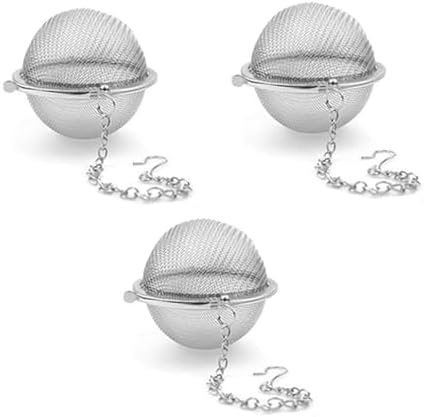
- PROFESSIONAL TEA INFUSER: The secret to getting the full flavors out of your teas, is by using a quality tea strainer. O…
- 3PCS TEA BALL: Made of premium 304 stainless steel, high-quality material makes these tea steeper safe to use, durable a…
- APPLICABLE SCENE: Ideal for use with all types of loose leaf teas like white, green, oolong, black and chai. Use with yo…
🧺 Storage and Cultivation
- Store dried leaves in a dark glass container, away from light and humidity.
- The plant grows best in well-drained soil and partial shade.
- Harvest mature leaves, avoiding removing all foliage to keep the plant healthy.
❓ Frequently Asked Questions (FAQ)
Can I drink espinheira-santa tea every day?
Continuous use without professional supervision is not recommended.
Can pregnant women drink it?
No. Consumption by pregnant or breastfeeding women is contraindicated.
What is the best time to drink it?
Traditionally, it is consumed after meals.
Does it taste bitter?
Yes, the tea has a slightly bitter flavor, typical of this plant’s infusions.

- Kitchen cooking necessities:mortar and pestle set use the ancient grinding method to make the food closer to nature. The…
- Multiple functions:suitable for all kinds of food in the kitchen,such as grinding nuts,seeds,ginger roots and garlic int…
- Rugged and durable:the unpolished granite is well made,retains the strong and durable characteristics of stone,and can r…
✅ Conclusion
Maytenus tea is a traditional drink, highly appreciated for its cultural value and connection with popular wellness practices. When consumed moderately and with the proper precautions, it can be a pleasant addition to your natural tea collection.
👉 Keep exploring Nutritive Blog:
- How to Prepare Natural Teas: Complete Guide
- Bay Leaf Tea: Benefits and How to Prepare
- Avocado Leaf Tea: Benefits and How to Prepare
⚠️ Important Notice: This content is for informational purposes only and does not replace professional medical or nutritional advice.
Prepare your tea the right way
If you plan to use this plant to make tea, use the Nutritive Blog tea infusion timer. Proper infusion time helps preserve active compounds and ensures better results.
📌 Author Box

Article written by Alexandre Zorek, graduate in Business Administration with a postgraduate degree in Botany.
A passionate lover of orchids, photography, and natural food — and father of Bianca and Beatriz — he shares trustworthy knowledge about plants, fruits, teas, and vegetables in a clear and practical way.