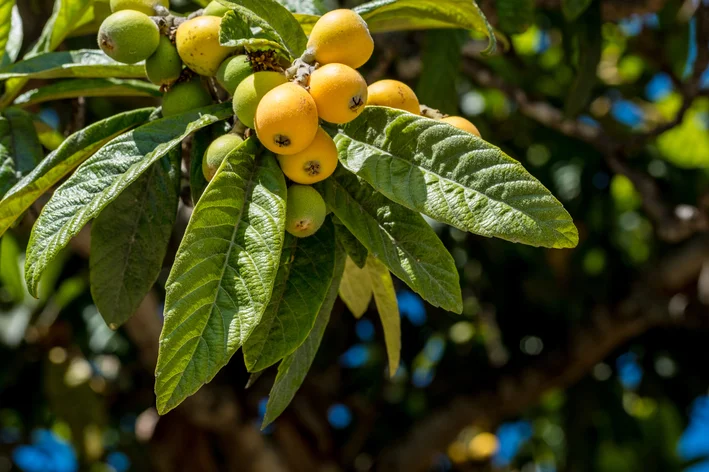
Loquat leaf tea (Eriobotrya japonica) is a small, golden-orange fruit known for its sweet-tart flavor and refreshing texture. While the fruit itself is enjoyed fresh or in desserts, the leaves of the loquat tree have a long tradition of use in herbal tea, especially in East Asian and folk herbal practices.
Loquat leaf tea has gained attention in natural wellness circles for its antioxidant, respiratory, and digestive support properties, making it a gentle herbal option for those seeking plant-based alternatives to support overall well-being.
In this article, you’ll learn:
- What loquat is and how it’s used
- The main health benefits of loquat fruit and leaves
- How to prepare loquat leaf tea safely
- Important precautions and contraindications
⚠️ This content is for informational purposes only and does not replace professional medical advice.
What Is Loquat?
Loquat (Eriobotrya japonica) is a fruit tree originally from southeastern China that later spread to Japan, the Mediterranean, and the Americas. Today, it is cultivated in warm regions of the United States, especially California, Florida, and parts of the Southeast.
The plant belongs to the Rosaceae family, the same family as apples, pears, and peaches. While the fruit is commonly eaten, the leaves are traditionally used to prepare herbal teas due to their bioactive compounds.
Key facts about loquat:
- Scientific name: Eriobotrya japonica
- Family: Rosaceae
- Edible part: fruit (seeds should not be consumed)
- Medicinal part (traditional use): leaves
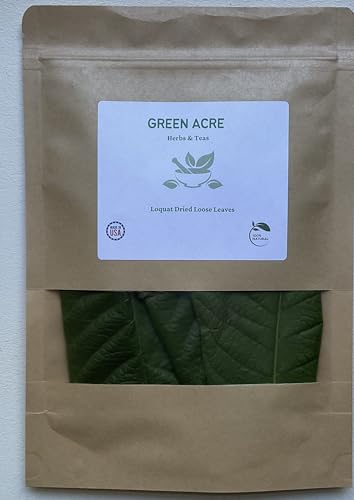
- Loquat tea leaves come air dried, whole or crushed; for best results, break or mince your whole leaves before preparing …
- Enjoy natural, beneficial refreshment and healing with our vast selection of herbal teas to enhance your journey to a na…
- Our natural and pure leaves are grown in the United States; having several impressive medicinal properties which offers …
Nutritional and Bioactive Compounds
Loquat fruit and leaves contain several compounds associated with health support:
- Vitamin A – supports eye and skin health
- Vitamin C – antioxidant and immune support
- B-complex vitamins – nervous system function
- Dietary fiber – digestion and cholesterol balance
- Potassium – supports healthy blood pressure
- Polyphenols and flavonoids – antioxidant and anti-inflammatory activity
The leaves, in particular, are rich in phenolic compounds that contribute to their traditional use in herbal teas.
Health Benefits of Loquat
1. Supports Healthy Cholesterol Levels
The fiber found in loquat fruit may help reduce LDL (“bad”) cholesterol absorption when included as part of a balanced diet.
2. Promotes Digestive Comfort
Loquat fruit contains soluble and insoluble fiber, supporting regular bowel movements and overall digestive health.
3. Immune System Support
Thanks to vitamin C and antioxidants, loquat consumption may help support immune defenses against everyday stressors.
4. Respiratory Support (Traditional Use)
Loquat leaf tea has traditionally been used to help soothe coughs, loosen mucus, and support respiratory comfort in mild conditions.
5. Antioxidant and Anti-Inflammatory Action
Both the fruit and leaves contain compounds that help combat oxidative stress, supporting healthy aging and cellular protection.
How to Consume Loquat
Loquat fruit can be enjoyed in several ways:
- Fresh (remove seeds before eating)
- Smoothies and juices
- Fruit salads
- Jams, jellies, and desserts
⚠️ Important: Loquat seeds should not be consumed, as they contain compounds that may be toxic in large amounts.
How to Prepare Loquat Leaf Tea
Loquat leaf tea is traditionally prepared using infusion, which helps preserve beneficial compounds without damaging them through excessive heat.
Ingredients:
- 1 tablespoon dried loquat leaves
or - 3 fresh loquat leaves, thoroughly washed
- 1 cup (250 ml) filtered water
Preparation:
- Heat the water until hot but not boiling (about 190°F / 90°C).
- Place the leaves in a cup or teapot.
- Pour hot water over the leaves.
- Cover and steep for 10–15 minutes.
- Strain and drink warm.
Recommended intake: up to 2 cups per day.
👉 To better understand infusion, decoction, and other preparation methods, see:
How to Prepare Herbal Teas Correctly

- 【Stovetop Safe】Our glass teapot are made of borosilicate lead-free glass that is scratch resistant and can withstand tem…
- 【Removable Infuser】This glass teapot has a removable glass infuser. This infuser is made of 18/8 stainless steel and has…
- 【Ergonomic Design】The glass tea kettle is specially designed for one-handed operation. This glass tea pot is designed li…
Contraindications and Safety Notes
Loquat leaf tea is generally considered safe when used in moderation, but some precautions apply:
- Pregnant or breastfeeding individuals should consult a healthcare professional before use
- People with allergies to Rosaceae fruits (such as apples or pears) should use caution
- Excessive intake may cause mild stomach irritation
Always avoid long-term daily use without professional guidance.
Interesting Facts About Loquat
- Loquat is sometimes called Japanese plum, although it is not a true plum
- The scientific name reflects its spread through Japan, where it became widely cultivated
- Loquat trees begin fruiting in late winter to early spring, earlier than most fruit trees
Storage Tips
- Fresh fruit: refrigerate ripe loquats and consume within 4–5 days
- Leaves: wash, air-dry in the shade, and store in airtight containers away from light and moisture

- Handy Kitchen Tool – Enjoy the rich flavors of fresh ground spices, paste, or herbs with our grinder mortar pestle set. …
- Crafted to Last – Made of solid marble stone, our molcajete bowl won’t easily break or crack even with frequent use. The…
- Beautiful Pill Crusher Set – The stone mortar and pestle are all white with gray accents and a smooth outer finish. This…
Prepare your tea the right way
If you plan to use this plant to make tea, use the Nutritive Blog tea infusion timer. Proper infusion time helps preserve active compounds and ensures better results.
Author Box

Article written by Alexandre Zorek, graduate in Business Administration with a postgraduate degree in Botany.
A passionate lover of orchids, photography, and natural food — and father of Bianca and Beatriz — he shares trustworthy knowledge about plants, fruits, teas, and vegetables in a clear and practical way.
Final Thoughts
Loquat is a flavorful and functional fruit, and its leaves have long been valued in traditional herbal practices. Whether enjoyed fresh or as a carefully prepared tea, loquat offers gentle support for digestion, respiratory comfort, and antioxidant protection.
As with all herbal remedies, mindful use and proper preparation are essential.