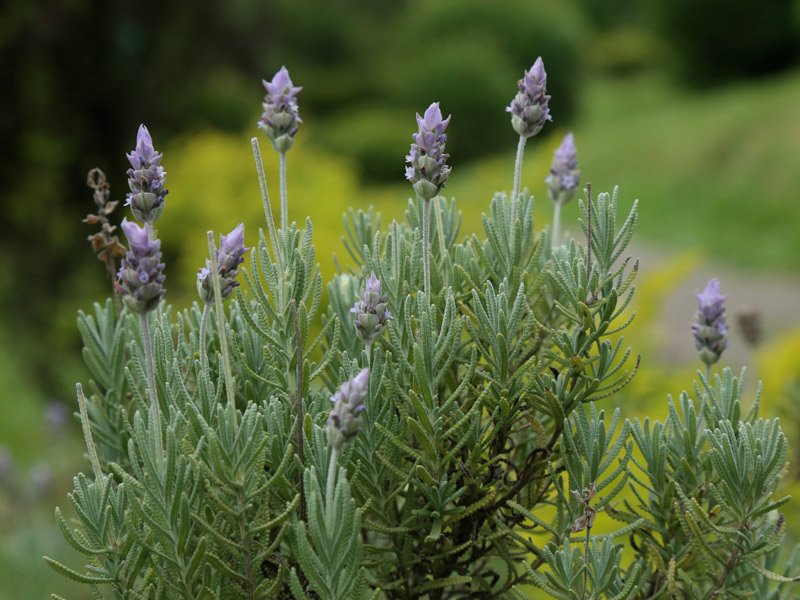
Lavender tea (Lavandula angustifolia), known in some parts of Brazil as alfazema, is an aromatic plant that has been cherished for centuries — both in cooking and in cultural traditions.
Its beautiful purple flowers are admired not only for their charm but also for their captivating aroma, which evokes tranquility and comfort.
When transformed into tea, lavender offers a unique sensory experience — a mildly floral, refreshing, and delicate taste.
It’s no surprise that many cultures have adopted this beverage as part of their daily rituals, appreciating both its fragrance and its symbolic link to calmness.
It’s important to remember that, although lavender tea is traditionally connected to relaxation and well-being, it should be consumed in moderation. Every person reacts differently, and it’s always best to seek reliable information or professional guidance before making any tea a daily habit.
🌿 Nutritional Table – Lavender (100 g, dried)
| Component | Amount (per 100 g) |
|---|---|
| Energy | 49 kcal |
| Carbohydrates | 11 g |
| Proteins | 4 g |
| Fat | 1 g |
| Fiber | 8 g |
| Calcium | 215 mg |
| Iron | 3.9 mg |
| Magnesium | 47 mg |
| Vitamin A | 0.06 mg |
| Vitamin C | 21 mg |
Source: USDA FoodData Central.
🍵 Benefits and Culinary Curiosities
Lavender tea is widely appreciated for its distinct aroma and pleasant flavor, setting it apart from other herbal infusions.
Culinary uses go beyond the teacup — lavender flowers appear in desserts, bread, cookies, and even savory dishes, such as chicken and aromatic sauces.
In the wellness world, lavender is valued for its soothing and refreshing qualities.
It also pairs wonderfully with other herbs such as chamomile, lemon balm, and mint, creating relaxing and aromatic blends.
In parts of Europe, lavender is used in the classic “Herbes de Provence” seasoning mix — a signature of Mediterranean cuisine known for its refined aroma and flavor.
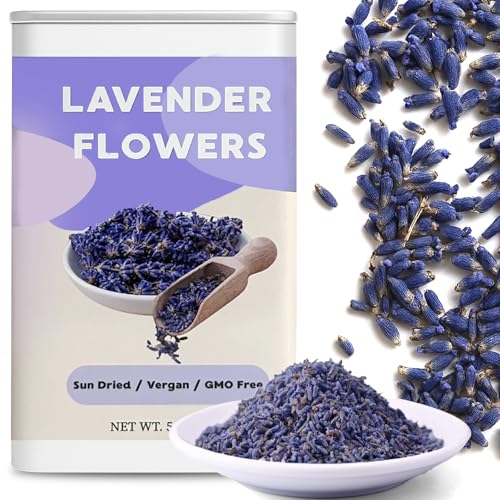
- Premium Lavender Buds: Carefully handpicked and sun-dried, loose lavender buds retain their natural scent and flavor—no …
- Natural & Caffeine-Free: Enjoy a fresh cup of 100% natural lavender tea with no caffeine or added ingredients. Perfect f…
- Multi-Use Versatility: Use this versatile lavender for brewing tea, baking, sachets, or crafts. Easily brew with chamomi…
🏺 Traditional and Cultural Uses
Traditionally, lavender is used not only as tea but also in scented sachets, pillows, and aromatic baths.
Its fragrance has long been associated with peace, purification, and emotional balance.
In many cultures, drinking lavender tea before bedtime symbolizes a peaceful transition into rest.
In Brazilian and Portuguese folk traditions, lavender branches are sometimes burned in symbolic rituals to bring positive energy and renewal.
⚠️ These practices belong to popular culture and should not be confused with medical treatments.
☕ Simple Lavender Tea Recipe
Ingredients:
- 1 tablespoon of dried lavender flowers
- 250 ml (1 cup) of hot (not boiling) water
Preparation:
- Heat water until just below boiling.
- Pour over the dried lavender flowers in a cup.
- Cover and steep for 5 to 7 minutes.
- Strain and serve warm — plain or sweetened with honey.
💡 Tip: Combine with chamomile or fennel for an enhanced floral and herbal flavor.
🌸 Culinary and Cosmetic Uses
🍽️ Culinary Use
Lavender flowers can flavor cake syrups, aromatic bread, desserts, and cocktails.
The tea itself can also be used as a base for homemade jams or syrups, adding a delicate floral note to recipes.
💧 Cosmetic Use (with Caution)
Lavender’s scent has long inspired perfumes, soaps, and room sprays.
Some people use cooled lavender tea for facial compresses or as a hair rinse, though results vary depending on skin type.
⚠️ Always test on a small area of skin before use to avoid irritation.

- Important Note for Built to Last: Please clean and keep dry after use
- Made of 304 grade stainless steel, long lasting durability for a long time use. (The rivet is made of aluminum. Remember…
- Get the job done and easy to clasp shut, brew your leaf tea with ease
🌱 Cultivation and Storage
Cultivation
Lavender prefers sunny climates and well-drained soil.
It grows well in most temperate regions of the United States, thriving in sunny gardens or indoor pots placed near a bright window.
Mint and lavender prefer well-drained soil and moderate watering, making them ideal for home gardeners.
How to cultivate:
- Plant in light, sandy soil.
- Water moderately, avoiding excess moisture.
- Can be grown from seeds or cuttings.
- Harvest flowers in the morning when their essential oils are most concentrated.
- Dry in a cool, ventilated place for future tea preparation.
Storage
Store dried lavender flowers in airtight glass jars, away from light and humidity, to preserve their aroma and properties.
❓ Frequently Asked Questions (FAQ)
1. Are lavender tea and alfazema tea the same thing?
Yes. Both refer to the same plant (Lavandula angustifolia). “Alfazema” is the popular name in Brazil.
2. Can I drink lavender tea every day?
Moderate consumption is considered safe, but daily long-term use is not recommended without professional advice.
3. Can children drink lavender tea?
No. Herbal teas should not be given to small children without medical guidance.
4. Are there any contraindications?
Yes. People allergic to plants in the Lamiaceae family, pregnant or breastfeeding women, and those using certain medications should avoid it.
5. Can I use lavender tea as a natural air freshener?
Yes. Once cooled, it can be sprayed in rooms, though its aroma is milder than essential oils.

- HIC Kitchen Tall Mortar And Pestle Set: Grinds spices, herbs, nuts, seeds, and grains into fine paste or powder; ideal f…
- Durable Solid Carrara Marble: Mortar measures 4 x 4-inches, pestle measures 5 x 1.25-inches; tall bowl design offers add…
- Multiple Culinary Uses: Make curry pastes, pesto, guacamole, salsa, chutneys, nut butters, flavored salts, coffee ground…
✅ Conclusion
Lavender tea is an aromatic and culturally rich beverage that has stood the test of time as a symbol of calm and comfort.
More than just a drink, it connects flavor, tradition, and mindfulness, offering a soothing pause in everyday life.
If you enjoyed this article, explore more of our Nutritive Blog content:
⚖️ Disclaimer: This article is for informational purposes only and does not replace professional medical or nutritional guidance.
Prepare your tea the right way
If you plan to use this plant to make tea, use the Nutritive Blog tea infusion timer. Proper infusion time helps preserve active compounds and ensures better results.
📌 Author Box
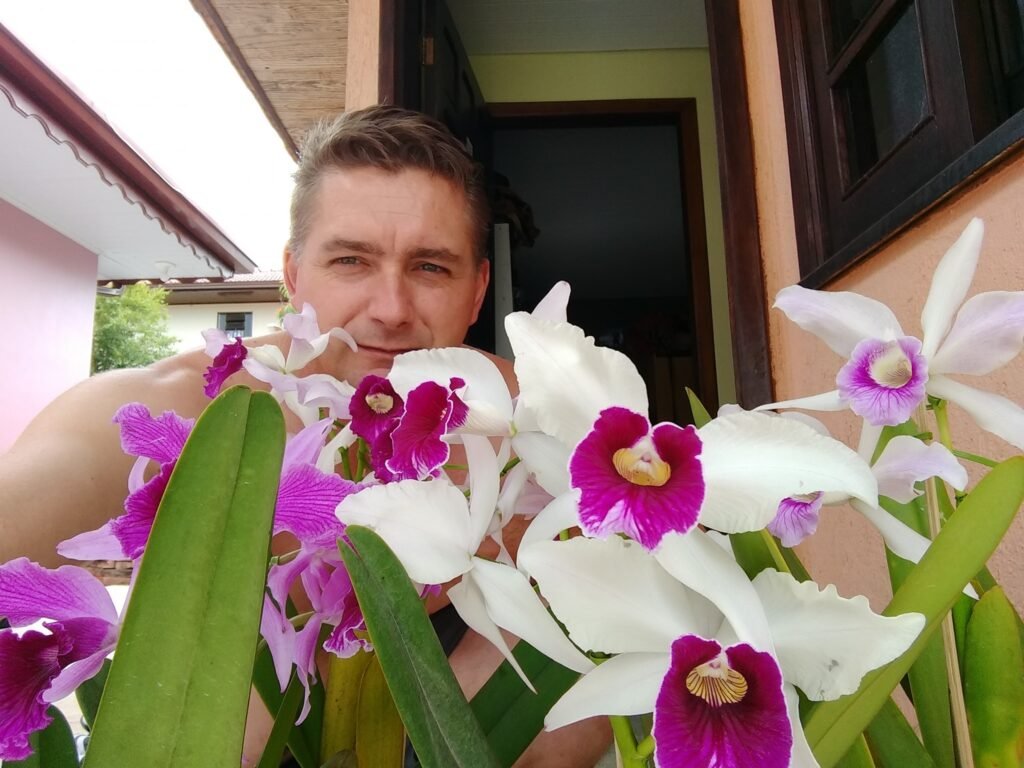
Written by Alexandre Zorek, graduate in Business Administration and postgraduate in Botany.
A passionate lover of orchids, photography, and natural food — and father of Bianca and Beatriz — he shares reliable knowledge about plants, fruits, teas, and vegetables in a practical and accessible way.