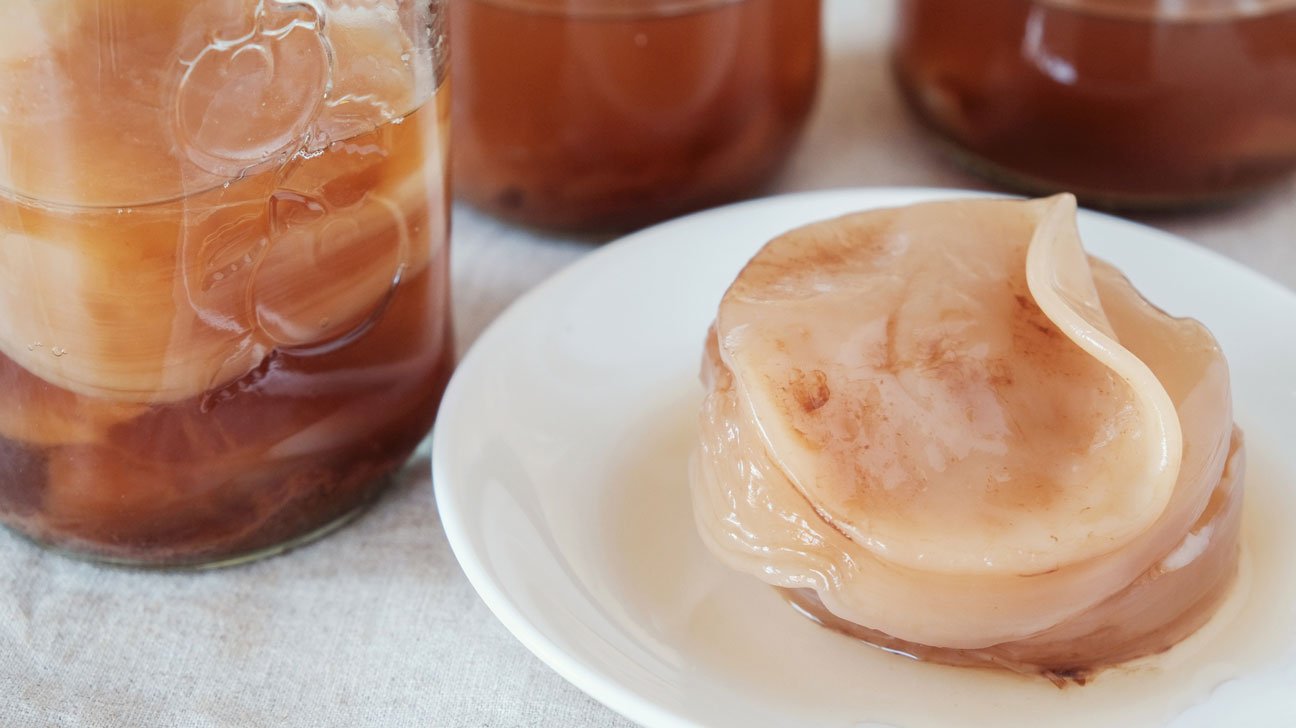
Kombucha has become increasingly popular in the United States among people looking for gut health, natural probiotics, and functional beverages. This ancient fermented drink, originally from China, is made by fermenting black or green tea with sugar and a living culture known as a SCOBY.
Rich in probiotics, antioxidants, enzymes, and organic acids, kombucha is widely consumed as a natural way to support digestion, immunity, and overall well-being.
In this article, you’ll learn what kombucha is, its main health benefits, how to make kombucha at home safely, important fermentation tips, and common questions about daily consumption.
This content is for educational purposes only and does not replace professional medical advice.
What Is Kombucha?
Kombucha is a fermented tea beverage made from brewed tea (usually black or green tea), sugar, and a SCOBY — which stands for Symbiotic Culture of Bacteria and Yeast.
During fermentation, the microorganisms consume most of the sugar and transform the tea into a lightly acidic, naturally carbonated drink that contains beneficial bacteria, B-complex vitamins, enzymes, and organic acids.
The result is a refreshing beverage with a slightly tangy flavor, often compared to apple cider vinegar or sparkling tea.
Main Health Benefits of Kombucha
1. Supports Gut Health
Kombucha is naturally rich in probiotics, which help maintain a balanced gut microbiome. A healthy gut supports digestion, nutrient absorption, and may help reduce bloating and constipation.
2. Strengthens the Immune System
A large portion of the immune system is connected to the gut. By supporting beneficial gut bacteria, kombucha may help the body respond better to infections and inflammation.
3. Antioxidant Properties
When made with green or black tea, kombucha retains tea polyphenols and antioxidants that help neutralize free radicals and support cellular health.
4. Supports Natural Detox Processes
The organic acids produced during fermentation, such as acetic and gluconic acid, may assist the liver in natural detoxification pathways.
5. Boosts Energy Naturally
Kombucha contains small amounts of B vitamins and iron, which play a role in energy metabolism and may help reduce fatigue without the crash associated with sugary drinks.
6. May Support Weight Management
While not a weight-loss drink, kombucha can support healthy habits by improving digestion, promoting satiety, and replacing sugary sodas or artificial beverages.
How to Make Homemade Kombucha (Step-by-Step)
Making kombucha at home is simple, but cleanliness and fermentation control are essential.
Ingredients
- 1 quart (1 liter) filtered or spring water
- 1 tablespoon loose black or green tea (or 2 tea bags)
- ⅓ to ½ cup sugar (white or organic cane sugar)
- 1 healthy SCOBY
- ½ cup plain, unflavored kombucha (starter tea)
Equipment
- Glass jar with a wide opening
- Clean cloth or coffee filter
- Rubber band
- Wooden or plastic spoon (avoid metal)
Instructions
- Bring the water to a boil and steep the tea for 10 minutes.
- Remove the tea and dissolve the sugar while the liquid is hot.
- Allow the tea to cool completely to room temperature.
- Pour the tea into the glass jar and add the SCOBY and starter kombucha.
- Cover the jar with a cloth and secure it with a rubber band.
- Let it ferment in a dark, well-ventilated area for 7–10 days at room temperature (68–86°F / 20–30°C).
- Taste after day 7. When it reaches your preferred balance of sweet and tangy, strain and bottle.
- Refrigerate to slow fermentation.
Optional carbonation:
Seal the bottles and leave them at room temperature for 1–2 additional days before refrigerating.

- Safe Washing – Safe for dishwasher top rack and microwave use;not for use with any metal utensils.Glass tea infuser,lid …
- Stovetop Safe – Durable borosilicate glass teapot used directly in gas or electric stovetop,use medium level heat source…
- Eco Friendly – Glass teapot completely hand crafted,made from heat resistant borosilicate glass,specially designed with …
Important Safety Tips for Homemade Kombucha
- Always use clean, sanitized utensils
- Avoid metal contact with the SCOBY
- Never use a SCOBY that smells moldy or shows fuzzy growth
- Discard the batch if mold appears
- Pregnant individuals, immunocompromised people, and those with medical conditions should consult a healthcare professional before consuming
Common Questions About Kombucha
Does kombucha contain alcohol?
Yes, but only in very small amounts, usually below 0.5% ABV due to natural fermentation. It is considered non-alcoholic in most cases.
Can I drink kombucha every day?
Yes, in moderation. Beginners should start with 4 oz (120 ml) per day and gradually increase based on tolerance.
Does kombucha help with weight loss?
Indirectly. Kombucha may support digestion and reduce cravings for sugary drinks, which can help with weight-management goals.
How to Flavor Kombucha Naturally
After the first fermentation, you can add fruits or herbs for flavor:
- Berries (strawberry, raspberry, blueberry)
- Ginger and lemon
- Hibiscus and cinnamon
- Passion fruit or mango
Add ingredients to bottled kombucha and ferment for 1–2 more days before refrigerating.
Conclusion: Is Kombucha Worth Including in Your Routine?
Kombucha is more than a trendy beverage — it’s a functional fermented drink with a long history and growing scientific interest. When consumed responsibly, it may support gut health, immunity, and overall wellness.
Making kombucha at home allows you to control ingredients, sugar levels, and flavors, making it a sustainable and healthy habit.

- 【High-Quality Stone】Our products are made of natural high-quality marble, artificially polished and polished on the outs…
- 【Kitchen Essentials】Select natural marble, more durable and not rusty than stainless steel mortar, healthier than wooden…
- 【Special Gift】In order to make it more convenient for customers to use, we add accessories such as spoons, brushes, and …
Prepare your tea the right way
If you plan to use this plant to make tea, use the Nutritive Blog tea infusion timer. Proper infusion time helps preserve active compounds and ensures better results.
Author Box

Written by Alexandre Zorek, graduate in Business Administration, nutrition student, and postgraduate in Botany.
A passionate lover of orchids, photography, and natural food — and father of Bianca and Beatriz — he shares trustworthy and practical knowledge about plants, fruits, teas, and vegetables.