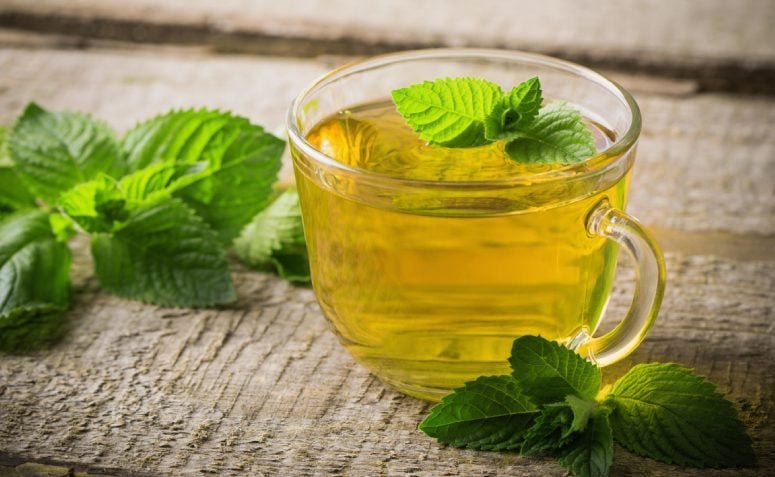
Holy Basil tea, also known as Tulsi tea, is one of the most respected herbal infusions in traditional Ayurvedic medicine. Revered for thousands of years, Tulsi is considered a sacred plant in India and is widely used today in the United States for stress relief, immune support, and overall balance.
If you’re looking for a natural adaptogenic tea that supports both mental and physical well-being, Holy Basil tea may be exactly what your routine needs.
This article explores the science-backed benefits of Tulsi tea, how to prepare it correctly, who should avoid it, and practical ways to include it in your daily life.
This content is for informational purposes only and does not replace medical advice.
What Is Holy Basil (Tulsi)?
Holy Basil (Ocimum tenuiflorum or Ocimum sanctum) is a medicinal herb native to Southeast Asia. Unlike common culinary basil (Ocimum basilicum), Tulsi has a stronger aroma, more peppery taste, and a much higher concentration of bioactive compounds.
In Ayurveda, Tulsi is classified as an adaptogen — a plant that helps the body adapt to stress and maintain balance.
There are three main varieties used for tea:
- Rama Tulsi – mild and slightly sweet
- Krishna Tulsi – stronger, spicier, and more potent
- Vana Tulsi – wild variety, very aromatic and robust
All are suitable for tea and offer similar health benefits.
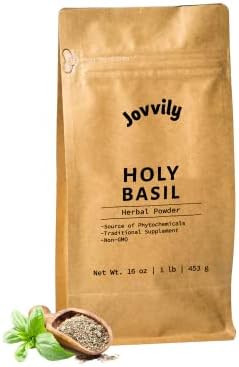
- Jovvily Holy Basil is a single, undiluted product
- Holy Basil is a natural source of triterpenoids, phenylpropanoids, and other phytochemicals
- Holy Basil is native to India
Key Active Compounds in Tulsi Tea
Holy Basil owes its therapeutic value to compounds such as:
- Eugenol
- Rosmarinic acid
- Ursolic acid
- Flavonoids
- Polyphenols
These compounds contribute to its anti-inflammatory, antioxidant, antimicrobial, and stress-regulating properties.
10 Science-Backed Benefits of Holy Basil (Tulsi) Tea
1. Helps Reduce Stress and Anxiety
Tulsi is best known for its adaptogenic effects. Regular consumption may help lower cortisol levels and promote emotional balance without causing drowsiness.
Many people use Tulsi tea as a natural alternative to calming supplements.
2. Supports the Immune System
Holy Basil has antimicrobial and antiviral properties that help the body defend itself against common infections, especially during seasonal changes.
It’s often used as a daily immune-support tea.
3. Anti-Inflammatory Effects
The polyphenols in Tulsi help reduce chronic inflammation, which is linked to joint pain, metabolic disorders, and cardiovascular issues.
4. Supports Respiratory Health
Tulsi tea is traditionally used to soothe the respiratory tract and may help relieve cough, congestion, and throat irritation.
It is often combined with ginger or honey during cold seasons.
5. Promotes Mental Clarity and Focus
Unlike caffeinated teas, Holy Basil promotes calm alertness. Many people drink it while working or studying to improve concentration without overstimulation.
6. Helps Balance Blood Sugar Levels
Research suggests that Tulsi may support healthy glucose metabolism, making it beneficial for people managing blood sugar levels (with medical supervision).
7. Aids Digestion
Tulsi tea can help reduce bloating, gas, and digestive discomfort by calming the digestive system and supporting gut balance.
8. Powerful Antioxidant Protection
Holy Basil contains high levels of antioxidants that help neutralize free radicals and protect cells from oxidative stress.
9. Supports Heart Health
Tulsi may help improve lipid profiles and support healthy blood pressure through its anti-inflammatory and antioxidant effects.
10. Promotes Overall Balance and Well-Being
In Ayurveda, Tulsi is considered a rasayana, a rejuvenating herb that supports longevity and resilience.
How to Prepare Holy Basil (Tulsi) Tea Correctly
Proper preparation ensures you preserve the active compounds and achieve the best flavor.
Ingredients
- 1 tablespoon dried Holy Basil leaves
or - 10–12 fresh Tulsi leaves
- 1 cup (250 ml) filtered water
Preparation Method (Infusion)
- Heat water to about 190°F (just below boiling)
- Add Tulsi leaves to a cup or teapot
- Pour hot water over the leaves
- Cover and steep for 8–10 minutes
- Strain and enjoy
Optional additions: raw honey, lemon, or ginger
Want safe teas to drink instead? Read:
How to Prepare Medicinal Tea Correctly

- ☕Humanized design:The 1200ml teapot has a large capacity and a water level scale is added on the surface. The teapot spo…
- ☕Multiple functions: The teapot is suitable for making a variety of different drinks, tea, coffee, herbs, etc. The teapo…
- ☕Safe teapot: It is composed of lead-free high borosilicate glass, using food-grade 304 stainless steel filter screen, w…
When Is the Best Time to Drink Tulsi Tea?
- Morning: for calm energy and focus
- Afternoon: to manage stress and fatigue
- Evening: for relaxation (Tulsi is caffeine-free)
Most people safely enjoy 1–3 cups per day.
Possible Side Effects and Contraindications
Holy Basil is generally safe when consumed in moderate amounts, but caution is advised for:
- Pregnant or breastfeeding women
- People taking blood-thinning medications
- Individuals with very low blood sugar
- Those scheduled for surgery
Always consult a healthcare professional if you plan to use Tulsi tea regularly.
Holy Basil vs. Regular Basil Tea
| Feature | Holy Basil (Tulsi) | Sweet Basil |
|---|---|---|
| Primary use | Medicinal | Culinary |
| Flavor | Spicy, peppery | Sweet, mild |
| Adaptogenic | Yes | No |
| Caffeine | None | None |
| Stress support | Strong | Mild |
Storage Tips
- Store dried Tulsi leaves in an airtight container
- Keep away from heat, moisture, and sunlight
- Fresh leaves can be refrigerated for up to one week
Frequently Asked Questions (FAQ)
Is Holy Basil tea caffeine-free?
Yes. It is naturally caffeine-free.
Can I drink Tulsi tea every day?
Yes, most people can safely drink it daily in moderation.
Does Tulsi tea help with sleep?
It promotes relaxation but does not act as a sedative.
Is Tulsi the same as Thai basil?
No. They are different plants with different uses.
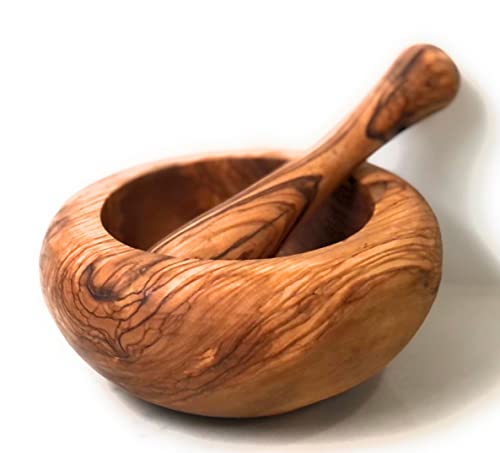
- ✔️ Each piece is hand crafted from solid olivewood, sustainably harvested from aged olive trees (typically 200-300 yrs o…
- ✔️ The ORCHARD HARDWOODS Mortar & Pestle Set comes in natural olive wood colors (no stain). Each piece is unique, and ha…
- ✔️ The ORCHARD HARDWOODS Mortar & Pestle Set comes in natural olive wood colors (no stain). Carefully hand finished with…
Prepare your tea the right way
If you plan to use this plant to make tea, use the Nutritive Blog tea infusion timer. Proper infusion time helps preserve active compounds and ensures better results.
Related Reading
Author Box
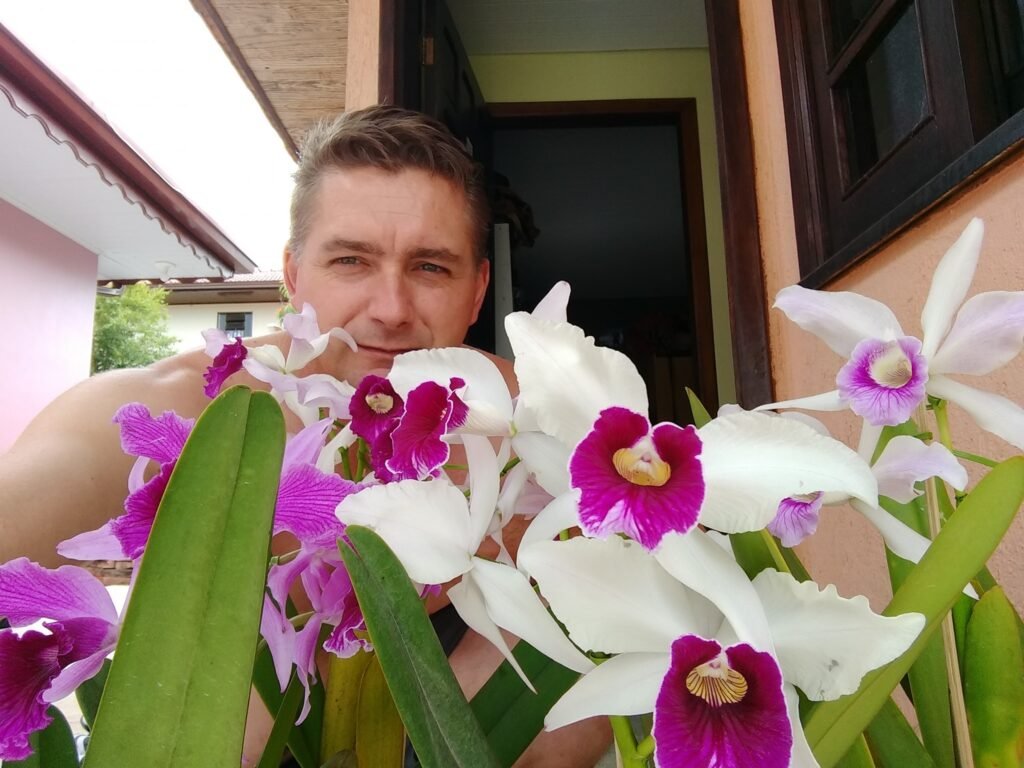
Article written by Alexandre Zorek, graduate in Business Administration with a postgraduate degree in Botany.
A passionate lover of orchids, photography, and natural food — and father of Bianca and Beatriz — he shares trustworthy knowledge about plants, fruits, teas, and vegetables in a clear and practical way.
Conclusion: Why Holy Basil Tea Deserves a Place in Your Routine
Holy Basil tea is more than a soothing herbal drink — it’s a powerful wellness ally. From stress relief and immune support to digestive balance and antioxidant protection, Tulsi offers a wide range of benefits backed by both tradition and modern research.
If you’re building a healthier lifestyle with natural tools, Holy Basil tea is an excellent place to start.