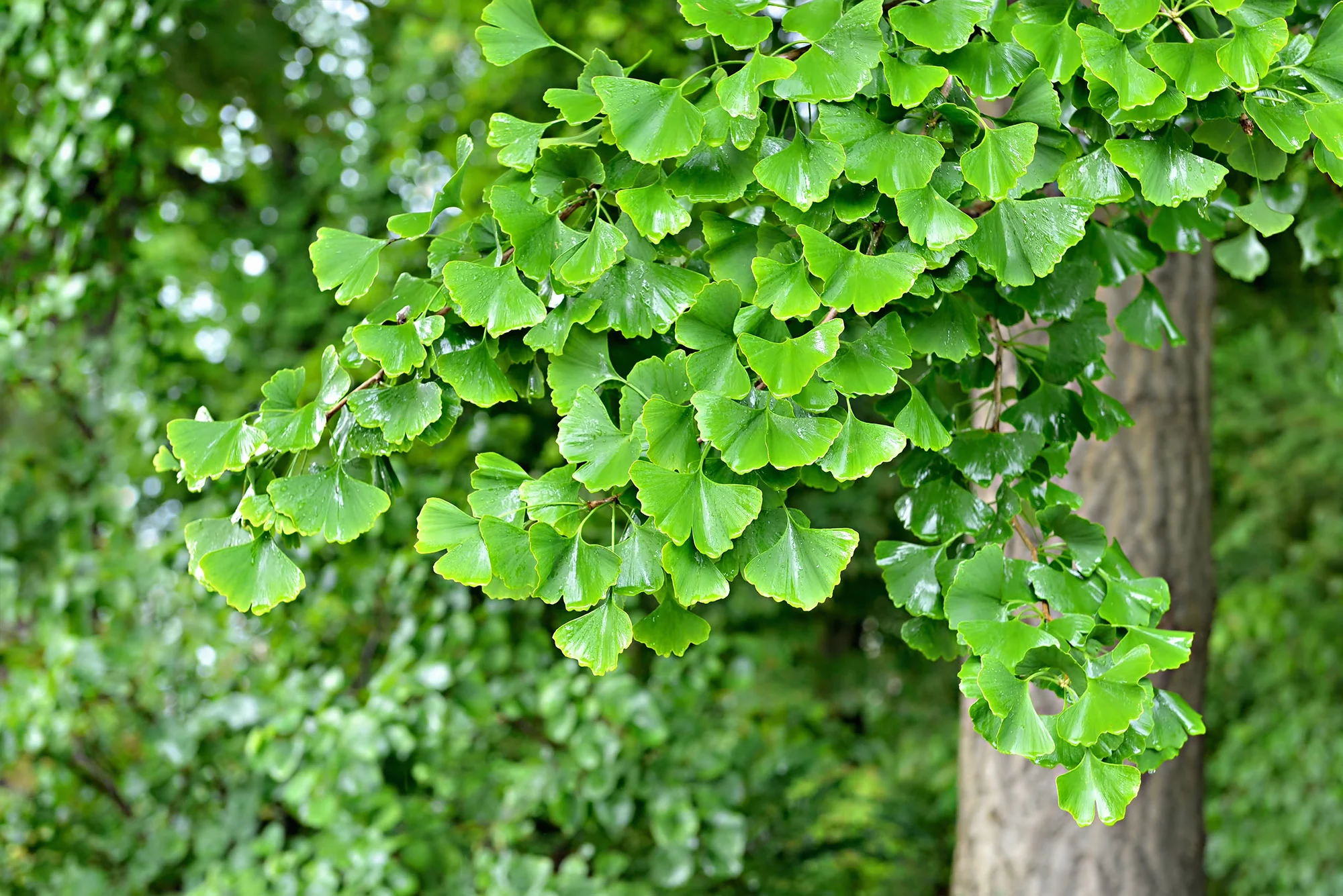
Ginkgo biloba tea is one of the most well-known herbal infusions associated with Traditional Chinese Medicine. Considered one of the oldest living tree species on Earth, Ginkgo biloba has been valued for centuries for its therapeutic properties—especially those related to memory, focus, and blood circulation.
In this article, you will discover:
- The main benefits of ginkgo biloba tea
- How to prepare it correctly
- Who should avoid using it
- Practical tips for daily use
- Additional insights into medicinal herbal teas
⚠️ This content is for educational purposes only and does not replace professional medical advice.
What Is Ginkgo Biloba?
Ginkgo biloba is a tree native to China, with documented medicinal use dating back over 2,000 years. Herbal preparations are made primarily from its fan-shaped leaves, which are rich in flavonoids and terpenoids—compounds known for their strong antioxidant and neuroprotective effects.
After being harvested and dried, the leaves are commonly used to prepare tea, which has become increasingly popular among those seeking natural cognitive and circulatory support.

- PURE GINKGO LEAF: This bag contains Ginkgo biloba, the botanical name for ginkgo leaf. Known for its unique leaf structu…
- VERSATILE HERB: Incorporate ginkgo leaf into teas, capsules, herbal blends, salads, and soups, or use it as a natural se…
- USDA CERTIFIED ORGANIC: Our ginkgo leaves are certified organic and kosher to meet strict processing standards and to of…
What Is Ginkgo Biloba Tea Used For?
Ginkgo biloba tea is best known for its ability to improve blood circulation, particularly to the brain and extremities. This improved circulation is associated with several health benefits:
1. Supports Memory and Concentration
Studies suggest that ginkgo may enhance cognitive performance, especially in older adults, by increasing cerebral blood flow. It is often used as a complementary approach for mild cognitive decline and early-stage dementia.
If you’re interested in other herbs that support brain health, you may also enjoy our article on rosemary tea, which has similar cognitive benefits.
2. Powerful Antioxidant Action
Ginkgo is rich in antioxidants that help neutralize free radicals—unstable molecules linked to premature aging and chronic disease development.
3. Improves Circulation and Cardiovascular Health
By promoting vasodilation, ginkgo supports healthier blood flow and may help relieve symptoms such as cold hands and feet, poor circulation, and leg discomfort.
4. Helps Reduce PMS and Menopause Symptoms
Some research suggests ginkgo may help ease both emotional and physical symptoms associated with PMS and menopause, including mood swings, headaches, and irritability.
5. May Help With Tinnitus (Ringing in the Ears)
Although scientific results are mixed, many users report improvement in tinnitus and dizziness, possibly due to enhanced microcirculation in the inner ear.
How to Prepare Ginkgo Biloba Tea
To ensure safety and effectiveness, proper preparation is essential. If you’d like to understand different methods such as infusion, decoction, and maceration, we recommend reading our complete guide:
How to Prepare Medicinal Herbal Teas Properly
Ingredients
- 1 tablespoon dried ginkgo biloba leaves
- 1 cup (250 ml) filtered water
Preparation Method
- Bring the water to a boil and then turn off the heat.
- Add the dried ginkgo leaves.
- Cover and let steep for 10 minutes.
- Strain and drink while warm.

- ☕Humanized design:The 1200ml teapot has a large capacity and a water level scale is added on the surface. The teapot spo…
- ☕Multiple functions: The teapot is suitable for making a variety of different drinks, tea, coffee, herbs, etc. The teapo…
- ☕Safe teapot: It is composed of lead-free high borosilicate glass, using food-grade 304 stainless steel filter screen, w…
Contraindications and Safety Considerations
Despite being natural, ginkgo biloba tea is not risk-free.
Avoid use if you:
- Take blood-thinning medications (warfarin, aspirin, clopidogrel)
- Have a history of epilepsy or seizures
- Are pregnant or breastfeeding
- Are scheduled for surgery (discontinue at least 5 days prior)
Possible Side Effects
- Headaches
- Dizziness
- Mild digestive discomfort
- Allergic reactions
Always consult a healthcare professional before using ginkgo regularly.
Tips to Maximize the Benefits
- Drink ginkgo tea in the morning to support focus and mental clarity
- Combine with antioxidant-rich teas such as hibiscus tea or green tea
- Use in cycles: 3 weeks on, 1 week off
Other Forms of Ginkgo Biloba
In addition to tea, ginkgo is available in:
- Capsules or tablets (standardized extract)
- Tinctures (alcohol-based extracts, more concentrated)
- Topical creams and gels for circulation support in the legs
If you want to learn more about tinctures, check out our article:
How to Prepare and Use Herbal Tinctures
Recommended Reading
To continue exploring medicinal teas, you may enjoy:
- Garlic Tea: Benefits, Uses, and How to Prepare
- Ginger Tea: Digestive and Anti-Inflammatory Benefits
- Horsetail Tea: A Natural Diuretic for Wellness and Beauty
These related articles help keep readers engaged while expanding their knowledge of herbal medicine.

- Handy Kitchen Tool – Enjoy the rich flavors of fresh ground spices, paste, or herbs with our grinder mortar pestle set. …
- Crafted to Last – Made of solid marble stone, our molcajete bowl won’t easily break or crack even with frequent use. The…
- Beautiful Pill Crusher Set – The stone mortar and pestle are all white with gray accents and a smooth outer finish. This…
Conclusion
Ginkgo biloba tea is a timeless herbal infusion that remains relevant today due to its effects on brain health, circulation, and emotional balance. Like any herbal remedy, it should be used with knowledge, moderation, and respect for contraindications.
Prepare your tea the right way
If you plan to use this plant to make tea, use the Nutritive Blog tea infusion timer. Proper infusion time helps preserve active compounds and ensures better results.
Author Box
Written by Alexandre Zorek
Administrator with postgraduate studies in Botany. Passionate about medicinal plants, natural nutrition, orchids, and photography. Father of Bianca and Beatriz. Alexandre shares reliable, practical knowledge about herbs, teas, fruits, and vegetables in a clear and accessible way.