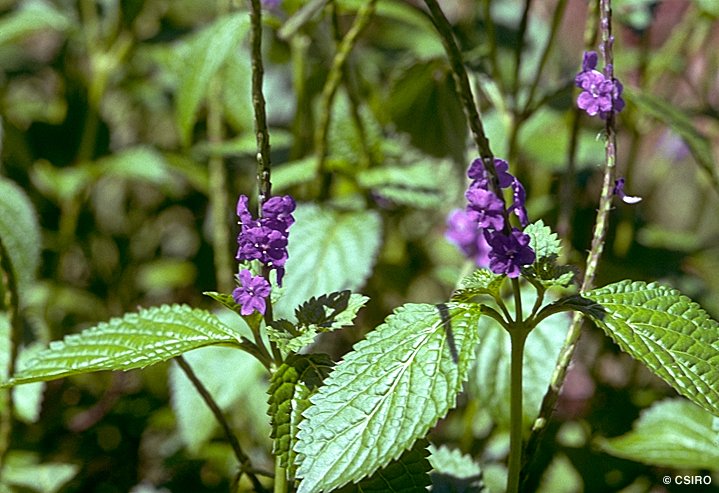
Have you ever heard of gervão tea? Known in English as Brazilian vervain, this traditional medicinal plant has been widely used in folk medicine for its digestive, anti-inflammatory, and expectorant properties. If you’re looking for natural ways to support your health, gervão tea may be an excellent addition to your routine.
In this complete guide, you’ll discover:
- What gervão tea is used for
- Its main health benefits
- How to prepare it correctly
- Who should avoid it
- How to combine it with other medicinal herbs
⚠️ This content is for educational purposes only and does not replace medical or professional healthcare advice.
What Is Gervão?
Gervão (Stachytarpheta cayennensis) is a herbaceous plant native to the Americas, commonly found in tropical and subtropical regions. It is easily recognized by its slender stems and small blue or purple flowers.
In traditional herbal practices, gervão has been used to help with:
- Digestive discomfort
- Inflammation
- Cough and mucus buildup
- Fever and flu-like symptoms
Most of its beneficial compounds are concentrated in the leaves, which are used to prepare herbal tea.
Active Compounds and Properties
Gervão leaves contain several bioactive compounds, including:
- Flavonoids
- Iridoids
- Phenolic acids
- Natural mucilages
These substances are associated with the following properties:
- Anti-inflammatory
- Expectorant
- Digestive stimulant
- Mild laxative
- Antimicrobial
When used in moderation, gervão tea is generally considered safe for adults and older children.
9 Benefits of Gervão Tea
1. Supports Digestive Health
Gervão tea stimulates the stomach and intestines, helping relieve indigestion, mild nausea, bloating, and sluggish digestion.
2. Natural Expectorant
If you’re dealing with chest congestion or productive cough, gervão tea helps loosen and eliminate mucus from the respiratory tract.
3. Anti-Inflammatory Action
Research suggests that compounds in gervão may help reduce mild inflammation, especially in the digestive and respiratory systems.
4. Helps Relieve Headaches
In folk medicine, gervão tea is often used to ease headaches and migraines, particularly those related to digestive imbalance.
5. May Help Reduce Fever
Traditionally used during colds and flu, gervão tea may support the body’s natural cooling processes, especially when combined with warming or calming herbs.
6. Supports Healthy Circulation
Gervão may contribute to improved blood circulation, supporting oxygen delivery and metabolic balance.
7. Helps Fight Mild Infections
Thanks to its antimicrobial properties, gervão tea may support the body in managing mild throat or digestive infections.
8. Regulates Intestinal Transit
With its gentle laxative effect, gervão tea can help regulate bowel movements without causing dependency.
9. Supports the Immune System
When included as part of a healthy lifestyle, gervão tea may help strengthen natural immune defenses.
How to Prepare Gervão Tea Properly
Correct preparation is essential to extract the plant’s beneficial compounds without damaging them.
Ingredients
- 1 tablespoon dried gervão leaves
(or 2 tablespoons fresh leaves) - 1 cup (250 ml) filtered water
Preparation Method
- Heat the water until it reaches near boiling (about 195°F / 90–95°C).
- Turn off the heat and add the gervão leaves.
- Cover and let steep for 10 to 15 minutes.
- Strain and drink warm.
Recommended use: up to 3 cups per day, for no longer than 7 consecutive days, unless advised by a healthcare professional.
👉 Learn more: How to Prepare Medicinal Herbal Teas Properly

- This teapot is completely hand crafted, made from heat resistant borosilicate glass, specially designed with non drippin…
- Removable high-grade 18/10 stainless steel mesh infuser filter for loose teas or blooming teas, the lid fits the tea bas…
- This beautiful teapot can be placed directly in the microwave oven or on either gas or electric stove tops, use a medium…
Contraindications and Precautions
Despite being natural, gervão tea is not suitable for everyone. Avoid use if you are:
- Pregnant or breastfeeding
- A child under 6 years old
- Suffering from chronic gastritis or stomach ulcers
- Taking anticoagulant medications
Always consult a healthcare provider before regular use, especially if you take medication.
How to Enhance Gervão Tea’s Effects
Gervão can be safely combined with other complementary herbs:
- Chamomile – for cramps, anxiety, and sleep support
- Guaco – for stronger respiratory action
- Fennel – to help reduce gas and abdominal discomfort
Related Articles You May Enjoy
To continue exploring medicinal herbs and teas, we recommend:
- Chamomile Tea: Benefits and How to Prepare It
- Fennel Tea: Uses, Benefits, and Preparation
- Dandelion Tea: Detox Support and Health Benefits
These internal links help deepen your understanding and keep you exploring safe, natural wellness options.
Interesting Facts About Gervão
- Indigenous Brazilian communities traditionally used gervão in purification rituals.
- Its flowers attract butterflies and pollinators.
- In some regions, it’s known as a “liver tea” due to its digestive-supporting role.
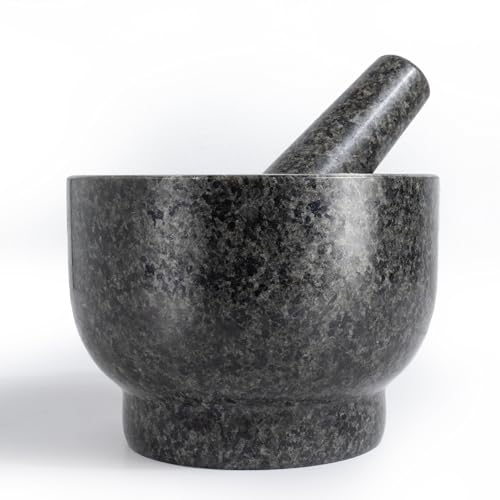
- Natural surface and convenient design: made of natural granite, sturdy and durable, with a polished surface and rounded …
- Dimensions: Diameter and height are 5.51 inches and 3.94 inches, inner wall diameter and depth are 4.13 inches and 2.95 …
- Versatile: In addition to grinding garlic, ginger, pepper, and other seasonings and spices, it can also be used to make …
Conclusion
Gervão tea is a powerful yet gentle herbal infusion that supports digestion, respiratory health, circulation, and immune balance. When used responsibly and with attention to contraindications, it can be a valuable natural ally in a holistic wellness routine.
Prepare your tea the right way
If you plan to use this plant to make tea, use the Nutritive Blog tea infusion timer. Proper infusion time helps preserve active compounds and ensures better results.
Author Box

Written by Alexandre Zorek
Administrator with postgraduate studies in Botany. Passionate about medicinal plants, natural nutrition, orchids, and photography. Father of Bianca and Beatriz. Alexandre shares reliable, practical knowledge about herbs, teas, fruits, and vegetables in a clear and accessible way.