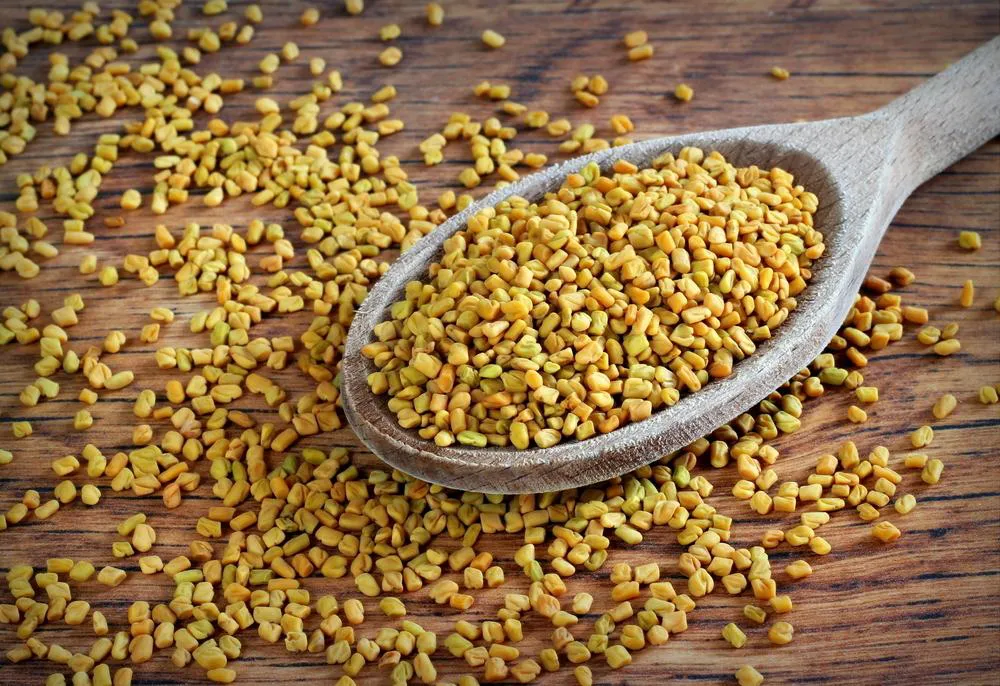
Have you ever heard of fenugreek? This ancient plant, widely used in both traditional cooking and herbal practices, is considered a true nutritional treasure. Still relatively unfamiliar to many people, fenugreek offers a wide range of benefits — from digestive support to blood sugar balance and natural lactation support.
In this article, you will learn:
- What fenugreek is
- The main health-related benefits traditionally associated with it
- How to prepare fenugreek tea correctly
- Important precautions and contraindications
⚠️ This content is for educational purposes only and does not replace medical or professional healthcare advice.
What Is Fenugreek?
Fenugreek (Trigonella foenum-graecum) is a plant native to the Middle East and South Asia and belongs to the Fabaceae family, the same botanical group as beans and soybeans. Its seeds are the most commonly used part, valued both as a culinary spice and as the base for herbal preparations.
In the United States, fenugreek is more commonly found in natural food stores, supplement shops, and specialty markets. In Ayurvedic and traditional herbal systems, it has been used for centuries — and for good reason.
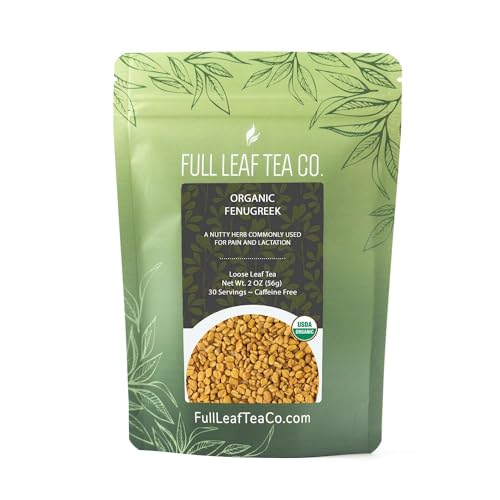
- Unique Flavor Profile: Offers a slightly sweet taste with a clover-like flavor and a hint of maple syrup aroma.
- Pure Organic Ingredients: Crafted from organic fenugreek, ensuring a natural and high-quality herbal tea.
- Caffeine-Free: Perfect for those seeking a non-caffeinated beverage option.
Main Benefits of Fenugreek Tea
1. Supports Blood Sugar Balance
One of the most studied traditional uses of fenugreek involves blood sugar regulation. Fenugreek seeds are rich in soluble fiber, which helps slow carbohydrate absorption and supports healthier glucose response.
🔬 Clinical research suggests that regular consumption of fenugreek tea or soaked seeds may support blood sugar balance, especially when combined with a balanced diet and physical activity.
2. Supports Breast Milk Production
Fenugreek is widely known as a natural galactagogue, a substance traditionally used to support breast milk production. Many breastfeeding mothers include fenugreek tea as part of their routine when milk supply is a concern.
Important: Always consult a healthcare professional before using herbal products while breastfeeding.
3. Aids Digestion and Reduces Bloating
Thanks to its high fiber content, fenugreek supports digestive comfort, helping reduce bloating, gas, and feelings of heaviness after meals.
4. Natural Anti-Inflammatory Support
Fenugreek contains bioactive compounds such as flavonoids and saponins, traditionally associated with antioxidant and anti-inflammatory properties that support joint and overall body comfort.
5. May Support Healthy Weight Management
Because it promotes satiety and digestive balance, fenugreek tea may help reduce overeating by increasing the feeling of fullness throughout the day.
6. Hormonal Balance Support
Fenugreek contains naturally occurring phytoestrogens, which may help support hormonal balance. It is traditionally used by women experiencing PMS or menopausal discomfort.
How to Prepare Fenugreek Tea
Proper preparation is essential to extract fenugreek’s beneficial compounds. Because seeds are dense, decoction is the preferred method.
Ingredients
- 1 tablespoon fenugreek seeds
- 1 cup (250 ml) filtered water
Preparation Method
- Heat the water until it begins to boil.
- Add the fenugreek seeds.
- Let boil gently for 5 minutes (decoction method).
- Turn off the heat, cover, and let steep for another 10 minutes.
- Strain and drink warm, preferably without sweeteners.
Suggested intake: up to 2 cups per day, ideally before main meals.
To better understand infusion vs. decoction and other preparation methods, read:
How to Prepare Herbal Teas Properly

- REDEFINE YOUR BREWING PROCESS- Made from premium grade borosilicate high heat resistant glass, our glass teapot is 100% …
- SAFE & EASY TO USE: The Hiware Glass Teapot with Mesh Infuser boasts a minimal design and in a breeze to use. It can be …
- FANTASTIC CHOICE- Our teapot comes in an elegant shape and assures the best quality, making it an ideal gift choice, no …
Other Ways to Use Fenugreek
Capsules and Supplements
Fenugreek is widely available in capsule form in the U.S., offering a convenient option for daily use without tea preparation.
Culinary Use
Fenugreek seeds are commonly used in curries, sauces, spice blends, and salads. Their flavor is slightly bitter and nutty, highly appreciated in Indian and Middle Eastern cuisine.
Side Effects and Contraindications
Although generally safe for most adults, fenugreek should be used with moderation.
Possible Side Effects
- Mild digestive discomfort
- Gas or bloating
- Low blood sugar in sensitive individuals
Who Should Avoid Fenugreek
- Pregnant women (may stimulate uterine activity)
- Individuals with severe hypoglycemia
- People with allergies to legumes
Fenugreek should never replace prescribed medical treatments without professional guidance.
Tips to Enhance Fenugreek Tea Benefits
- Drink the tea on an empty stomach for metabolic support
- Combine with a balanced diet and regular exercise
- Avoid continuous use for long periods without breaks
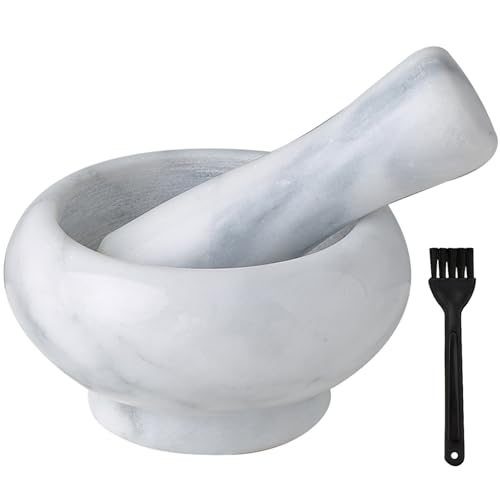
- PREMIUM MARBLE: Crafted from natural marble stone with finely polished surface, perfect for grinding spices, herbs, and …
- COMPACT SIZE: ideal for everyday kitchen use while taking minimal counter space
- WHAT’S INCLUDED: A mortar and grinder set, a cleaning brush, a safe packaging box
Conclusion
Fenugreek tea is a natural, affordable, and powerful herbal option for those seeking digestive comfort, blood sugar balance, hormonal support, and overall wellness. With simple preparation and a distinctive flavor, it can become a valuable addition to your daily routine.
Keep Reading on Nutritive Blog
- How to Prepare Herbal Teas Properly
- Chamomile Tea: Gentle Digestive and Calming Support
- Dandelion Tea: Benefits and Preparation Guide
Prepare your tea the right way
If you plan to use this plant to make tea, use the Nutritive Blog tea infusion timer. Proper infusion time helps preserve active compounds and ensures better results.
Author Box

Written by Alexandre Zorek
Administrator with postgraduate studies in Botany. Passionate about medicinal plants, natural nutrition, orchids, and photography. Father of Bianca and Beatriz. Alexandre shares reliable, practical, and culturally respectful knowledge about herbs, teas, fruits, and vegetables.