If you are looking for a mild, naturally sweet, and highly beneficial herbal tea, fennel tea may be exactly what you need. Widely consumed around the world, fennel tea is known for its pleasant aroma, digestive comfort, and calming effects — but its benefits go far beyond relaxation.
In this guide, you’ll learn what fennel tea is, its main health benefits, how to prepare it properly, practical ways to use it daily, and important precautions. Whether you are new to herbal teas or already enjoy them regularly, this article will help you get the most from this classic infusion.
⚠️ This content is for educational purposes only and does not replace medical or professional healthcare advice.
What Is Fennel (Foeniculum vulgare)?
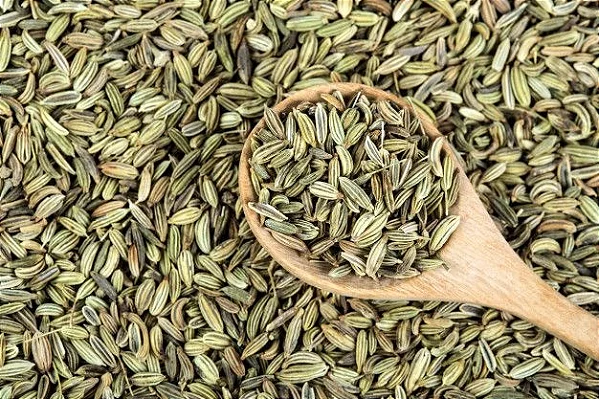
Fennel (Foeniculum vulgare), often called sweet fennel, is an aromatic plant from the Apiaceae family, widely used in both culinary traditions and natural medicine. Its seeds are rich in essential oils such as anethole, fenchone, and estragole, which are responsible for its flavor and therapeutic effects.
Commonly grown in home gardens and easily found in natural food stores, fennel is one of the most popular herbs used for digestive and calming teas.

- Promotes healthy digestion.
- Non-GMO verified. All Ingredients Certified Organic. Kosher. Caffeine Free.
- Consistently high quality herbs from ethical trading partnerships.
10 Health Benefits of Fennel Tea
1. Relieves Gas and Abdominal Cramps
Fennel tea is traditionally used to ease intestinal cramps, bloating, and gas, helping relax the smooth muscles of the digestive tract. It is often chosen for digestive comfort after meals.
2. Improves Digestion
If you feel heavy or uncomfortable after eating, fennel tea may help by stimulating digestive enzymes and improving overall digestion.
3. Natural Calming Effect
Fennel has mild sedative properties, making the tea helpful for reducing stress, nervous tension, and mild insomnia.
4. Helps Combat Bad Breath
Thanks to its antimicrobial compounds, fennel tea may help reduce bacteria associated with bad breath, especially when consumed after meals.
5. Supports Breastfeeding (Traditional Use)
In traditional practices, fennel tea has been used to support milk production during breastfeeding. However, lactating individuals should always consult a healthcare professional before regular use.
6. Eases PMS Symptoms
Fennel’s antispasmodic and relaxing effects may help reduce menstrual cramps, headaches, and irritability associated with PMS.
7. Antioxidant Protection
Fennel contains phenolic compounds that help neutralize free radicals, supporting cellular health and slowing premature aging.
8. Supports Respiratory Comfort
With a mild expectorant effect, fennel tea may help relieve light coughs and respiratory discomfort.
9. Helps Control Appetite
Its naturally sweet taste and calming effect may help reduce emotional or stress-related eating, making it a helpful ally in balanced routines.
10. Reduces Mild Water Retention
Fennel tea has a gentle diuretic action, helping reduce bloating and fluid retention.
How to Prepare Fennel Tea Correctly
Proper preparation is essential to preserve fennel’s volatile essential oils and therapeutic compounds.
Ingredients
- 1 tablespoon fennel seeds
- 1 cup (200 ml) filtered water
Preparation
- Bring the water to a boil separately.
- Turn off the heat once boiling begins.
- Add the fennel seeds, cover, and let steep for 10–15 minutes.
- Strain and drink warm or at room temperature.
Tip: Lightly crushing the seeds before infusion enhances aroma and flavor.
Learn how to make your own natural tea at home!

- FAST BOILING: Chefman kettles boil water fast. Boil your water for as little as 3 minutes for tea, hot chocolate, pour-o…
- VARIABLE HEAT SETTINGS: Custom temperature control includes seven presets with boiling temps ranging from 160-212°F for …
- TRI-COLOR LED LIGHTS: Easily see when your glass teapot with infuser is in standby mode (white lights), heating mode (re…
How to Use Fennel Tea in Daily Life
- After meals: improves digestion and reduces gas
- Before bedtime: promotes relaxation and restful sleep
- During PMS: helps ease cramps and tension
- At work: a caffeine-free alternative to coffee
Precautions and Contraindications
Fennel tea is generally safe, but excessive intake may cause:
- Nausea
- Allergic reactions (especially in people sensitive to anethole)
- Possible interaction with anticoagulant medications
⚠️ Important:
Pregnant individuals, breastfeeding mothers, and people with hormone-sensitive conditions should consult a healthcare professional before consuming fennel tea regularly.
Other Ways to Use Fennel
Beyond tea, fennel can also be used as:
- Culinary spice: in breads, soups, vegetables, and desserts
- Tincture: concentrated extract (professional guidance required)
- Compresses: for abdominal discomfort
- Seeds: chewed after meals for digestion and breath freshness
Want to Learn More About Herbal Tea Preparation?
To understand the differences between infusion, decoction, maceration, and tinctures, read our complete guide:
How to Prepare Medicinal Teas Properly
This knowledge ensures maximum benefits and safe use of medicinal plants.

- ✔ UNLOCK NEW FLAVORS – THE ONLY TEA STRAINER WITH ADVANCED Ultra-Mesh Technology: We tested endless iterations of micro-…
- ✔ UNRIVALED CRAFTSMANSHIP, UNPARALLELED VALUE: While most tea infuser sets are 304 STAINLESS STEEL ‘coated’, ours is SOL…
- ✔ LARGE CAPACITY – MORE TEA FOR EVERYONE: Set includes 2 tea infusers, 2 drip trays and 1 tea scoop. Now you can brew te…
Conclusion
Fennel tea is a true gem of herbal medicine — easy to prepare, pleasant to drink, and rich in benefits. Whether you want digestive comfort, mental relaxation, or gentle daily support, fennel tea can be a valuable addition to your routine.
If you enjoy calming herbal teas, you may also want to explore Chamomile Tea, another natural favorite for relaxation and digestive health.
Prepare your tea the right way
If you plan to use this plant to make tea, use the Nutritive Blog tea infusion timer. Proper infusion time helps preserve active compounds and ensures better results.
Author Box

Written by Alexandre Zorek
Administrator with postgraduate studies in Botany. Passionate about medicinal plants, natural nutrition, orchids, and photography. Father of Bianca and Beatriz. Alexandre shares reliable, practical, and responsible knowledge about herbs, teas, fruits, and vegetables.