Eucalyptus is widely recognized for its refreshing aroma and traditional wellness uses. Commonly associated with respiratory comfort, eucalyptus tea is one of the most traditional herbal infusions used in natural practices in Brazil and other parts of the world. However, its uses extend beyond seasonal colds and coughs.
In this article, you’ll learn what eucalyptus tea is used for, its traditionally recognized benefits, how to prepare it correctly, practical tips for daily use, and when consumption should be avoided.
⚠️ This content is for educational purposes only and does not replace medical or professional healthcare advice.
What Is Eucalyptus?
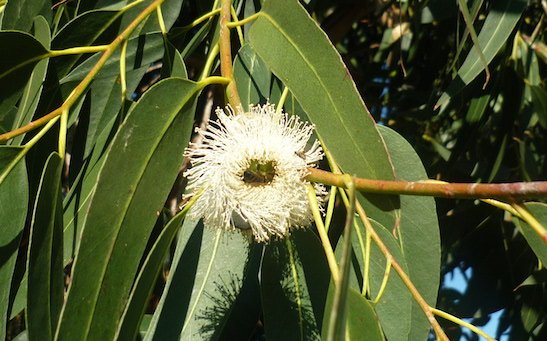
Eucalyptus (Eucalyptus spp.) is a tree native to Australia that is now widely cultivated worldwide, including in South America and parts of the United States. Its leaves are rich in essential oils, especially cineole (eucalyptol) — a compound traditionally associated with aromatic, refreshing, and cleansing properties.
In herbal traditions, eucalyptus is commonly used in the form of teas, steam inhalations, and topical preparations. In many cultures, dried leaves are traditionally infused to support respiratory comfort during colder seasons.
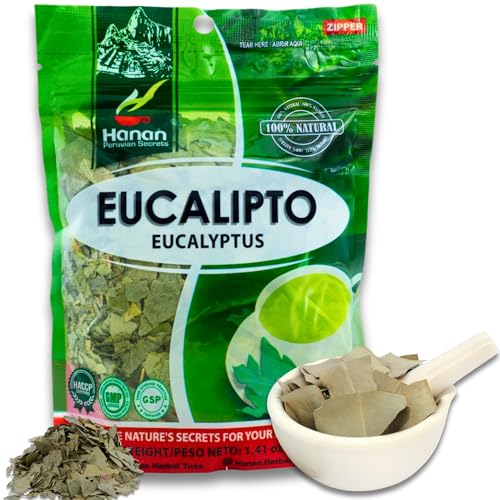
- Real Eucalyptus Leaf Tea: 1.4 ounces (40 grams) of premium dried eucalyptus leaves / hojas de eucalipto / eucalipto hoja…
- Plant Therapy: a cup of hot Eucalyptus herbal tea is a mainstay in Peru during cold winter weather.
- Premium Herbal Tea: Packed in a resealable pouch for freshness and convenience.
What Is Eucalyptus Tea Traditionally Used For?
Eucalyptus tea is best known for its relationship with the respiratory system, but it has also been traditionally used for other supportive purposes.
1. Natural Decongestant
The aromatic compounds released during infusion may help create a sensation of clearer airways, making the tea popular during colds, sinus congestion, and seasonal discomfort.
2. Expectorant Support
Traditionally consumed to help loosen mucus and promote respiratory comfort, especially during coughs and chest congestion.
3. Anti-Inflammatory Properties
Used in folk practices to support comfort in the upper respiratory tract during irritation.
4. Natural Antiseptic Tradition
Eucalyptus has long been valued in traditional practices for its cleansing aromatic qualities, often associated with seasonal immune support.
5. Muscular Comfort (Indirect Use)
While more common in topical preparations, the tea is sometimes used as part of a general wellness routine when the body feels fatigued during illness.
6. Digestive Comfort
Less widely known, eucalyptus tea has also been traditionally consumed in small amounts to relieve mild digestive discomfort such as gas or bloating.
7. Natural Insect Deterrent
The aromatic compounds released during consumption and inhalation are traditionally believed to help repel insects naturally.
How to Prepare Eucalyptus Tea Properly
Correct preparation is essential to enjoy eucalyptus tea safely and responsibly. The recommended method is infusion, using dried or fresh leaves.
Ingredients
- 1 tablespoon dried eucalyptus leaves
(or 2 tablespoons fresh leaves) - 1 cup (250 ml) filtered water
Preparation Method
- Bring the water to a boil.
- Turn off the heat once boiling begins.
- Add the eucalyptus leaves.
- Cover and let steep for 10 minutes.
- Strain and drink warm.
For more details on infusion temperature, steeping time, and differences between infusion and decoction, see:
How to Prepare Herbal Teas Properly

- REDEFINE YOUR BREWING PROCESS- Made from premium grade borosilicate high heat resistant glass, our glass teapot is 100% …
- SAFE & EASY TO USE: The Hiware Glass Teapot with Mesh Infuser boasts a minimal design and in a breeze to use. It can be …
- FANTASTIC CHOICE- Our teapot comes in an elegant shape and assures the best quality, making it an ideal gift choice, no …
Contraindications and Important Precautions
Despite being a natural infusion, eucalyptus tea should not be consumed indiscriminately.
Avoid or use with professional guidance if you are:
- Pregnant or breastfeeding
- A child under 6 years old
- Living with liver-related conditions
- Taking blood pressure medication or anticoagulants
Always consult a qualified healthcare or herbal professional before frequent or prolonged use.
Practical Tips for Daily Use
- For cough relief: Drink one warm cup in the evening.
- For nasal congestion: Inhale the steam before drinking.
- For seasonal discomfort: Combine with honey and lemon.
- Facial steam: Use the infusion for steam inhalation for up to 10 minutes.
Frequently Asked Questions
How many cups per day are recommended?
Usually 1–2 cups per day, for no more than 5 consecutive days.
Can eucalyptus tea be sweetened?
It is best consumed plain, but honey is an acceptable option.
Fresh or dried leaves — which is better?
Both work, but dried leaves tend to concentrate aromatic compounds more effectively.
Combining Eucalyptus with Other Herbs
Some traditional blends include:
- Eucalyptus + guaco + mint — commonly used during colds
- Eucalyptus + ginger + cinnamon — associated with seasonal wellness
- Eucalyptus + fennel — respiratory and digestive comfort combined


Conclusion
Eucalyptus tea is a traditional herbal infusion strongly associated with respiratory comfort and seasonal wellness routines. When prepared correctly and used in moderation, it can be a valuable addition to a natural tea rotation.
If you enjoy exploring herbal teas, continue reading the Nutritive Blog and discover other traditional infusions used around the world.
Recommended Reading
- How to Prepare Herbal Teas Properly
- Mulberry Leaf Tea: Benefits and Preparation
- Chamomile Tea: A Gentle Digestive and Calming Infusion
Prepare your tea the right way
If you plan to use this plant to make tea, use the Nutritive Blog tea infusion timer. Proper infusion time helps preserve active compounds and ensures better results.
Author Box

Written by Alexandre Zorek
Administrator with postgraduate studies in Botany. Passionate about medicinal plants, natural nutrition, orchids, and photography. Father of Bianca and Beatriz. Alexandre shares reliable, practical, and culturally respectful knowledge about herbs, teas, fruits, and vegetables.