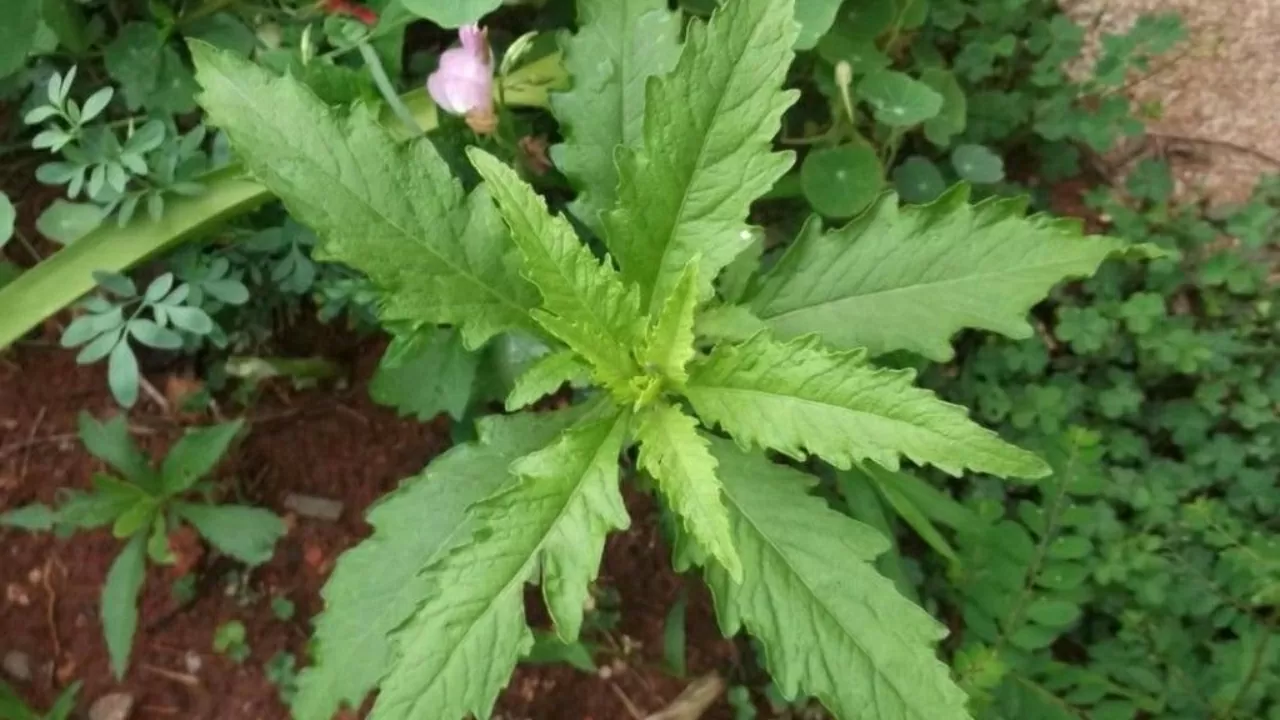
Erva-de-santa-maria tea (Dysphania ambrosioides), widely known in English as Mexican tea, wormseed, or epazote, is a traditional medicinal plant long used in Latin America for its antiparasitic, anti-inflammatory, expectorant, and wound-healing properties.
Historically valued as a natural remedy for intestinal parasites, this powerful herb must be used with care. When used correctly and in moderation, it can offer real benefits — but improper or excessive use may be harmful.
In this guide, you’ll learn what erva-de-santa-maria is used for, how to prepare it safely, its benefits, contraindications, and practical tips for responsible use.
⚠️ This content is for educational purposes only and does not replace medical or professional healthcare advice.
What Is Erva-de-Santa-Maria (Dysphania ambrosioides)?
Erva-de-santa-maria is a herbaceous plant native to Central and South America but now widely naturalized in many parts of the world, including the southern United States. It grows easily in poor soils and is often found in gardens, vacant lots, and roadside areas.
The leaves have a strong, pungent aroma, which comes from volatile compounds naturally present in the plant. Since colonial times, it has been used in traditional medicine — especially as a remedy against intestinal worms — and remains well known in folk herbal practices today.
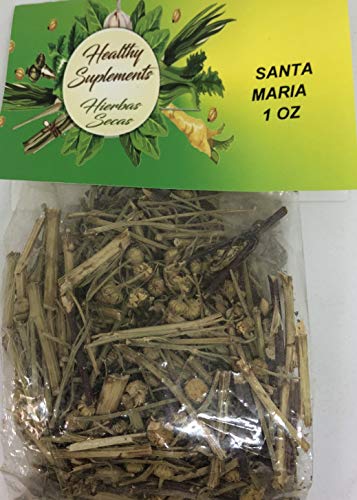
What Is Erva-de-Santa-Maria Used For?
Traditionally, this plant has been used to:
- Eliminate intestinal parasites (worms)
- Relieve cough and respiratory congestion
- Reduce inflammation
- Speed wound healing
- Ease muscle and joint discomfort
Its actions are described as antiparasitic, antimicrobial, anti-inflammatory, expectorant, and mildly analgesic, making it one of the most potent herbs in traditional herbal medicine.
Health Benefits of Erva-de-Santa-Maria
1. Natural Antiparasitic (Vermifuge)
Erva-de-santa-maria is best known as a natural remedy for intestinal worms, including roundworms and pinworms. Its leaves contain volatile compounds such as ascaridole, which has documented antiparasitic activity.
In some cultures, it has been traditionally used for children — however, this should only be done with medical supervision, as incorrect dosing may be dangerous.
2. Helps Relieve Cough and Chest Congestion
Thanks to its expectorant properties, tea made from the leaves may help loosen mucus, making it easier to clear the airways during productive coughs, bronchitis, and nasal congestion.
👉 You may also enjoy reading about Brazilian Lemon Balm (Lippia alba), another excellent herb for respiratory comfort.
3. Anti-Inflammatory Action
Used in moderation, erva-de-santa-maria may help reduce inflammation both internally and externally, including digestive inflammation and muscle or joint discomfort.
4. Natural Antiseptic and Wound-Healing Support
When applied externally as a poultice or compress, the plant has traditionally been used to clean wounds, prevent infection, and support skin healing.
5. Digestive Support
In small amounts, the plant may stimulate liver function and intestinal activity, helping relieve sluggish digestion or discomfort after heavy meals.

- ☕Humanized design:The 1200ml teapot has a large capacity and a water level scale is added on the surface. The teapot spo…
- ☕Multiple functions: The teapot is suitable for making a variety of different drinks, tea, coffee, herbs, etc. The teapo…
- ☕Safe teapot: It is composed of lead-free high borosilicate glass, using food-grade 304 stainless steel filter screen, w…
How to Use Erva-de-Santa-Maria
This plant can be used in different ways depending on the intended purpose:
- Leaf tea: internal use (parasites, digestion, respiratory discomfort)
- Poultices or compresses: wounds, joint pain, muscle soreness
- Leaf juice with milk: traditional antiparasitic use (⚠️ extreme caution required)
How to Prepare Erva-de-Santa-Maria Tea
Ingredients
- 1 teaspoon fresh chopped leaves
- 1 cup (250 ml) water
Preparation
- Bring the water to a boil.
- Add the leaves, cover, and let steep for 10 minutes.
- Strain and drink warm.
Suggested Use
- 1 cup per day for a maximum of 3 consecutive days
- Prolonged or repeated use may be toxic
⚠️ Traditional uses such as leaf juice mixed with milk are considered high-risk and should never be done without professional guidance.
Contraindications and Safety Warnings
Because it contains potent compounds like ascaridole, erva-de-santa-maria should not be used indiscriminately.
Avoid Use If You Are:
- Pregnant or breastfeeding
- A young child without medical supervision
- Living with liver or kidney disease
- Using the herb continuously or in high doses
Possible Signs of Toxicity Include:
- Nausea and vomiting
- Dizziness
- Abdominal pain
- Neurological symptoms (in severe cases, seizures)
👉 Looking for gentler alternatives? Consider reading about Horsetail Tea, a mineral-rich and safer herbal option.
How to Grow Erva-de-Santa-Maria at Home
This plant is easy to grow and thrives with minimal care.
Growing Tips
- Prefers full sun
- Well-drained soil
- Can be grown in pots or directly in the ground
- Harvest leaves before flowering for best potency

- MEASUREMENTS AND BENEFITS: With a 6 inche diameter, this Granite Molcajete is perfect for preparing small to medium size…
- DURABLE CONSTRUCTION: Crafted from durable granite with a natural finish, this mortar and pestle set is easy to clean, o…
- FUNCTIONALITY & SIZE: With a 6 inche diameter, granite construction, and natural finish, this Molcajete Spice Grinder bl…
Conclusion
Erva-de-santa-maria is one of the most powerful traditional medicinal herbs used for intestinal parasites, inflammation, respiratory issues, and wound care. Its strength is also its risk — when used incorrectly or excessively, it can cause serious side effects.
When respected, properly dosed, and used short-term, it can be a valuable natural remedy. Always prioritize safety, moderation, and informed guidance.
Looking to discover other medicinal plants that truly work?
Explore our recommended resources and deepen your knowledge gently and responsibly.
Prepare your tea the right way
If you plan to use this plant to make tea, use the Nutritive Blog tea infusion timer. Proper infusion time helps preserve active compounds and ensures better results.
Author Box
Written by Alexandre Zorek
Administrator with postgraduate studies in Botany. Passionate about medicinal plants, natural nutrition, orchids, and photography. Father of Bianca and Beatriz. Alexandre shares reliable, practical, and responsible knowledge about herbs, teas, fruits, and vegetables.