Embaúba, also known as trumpet tree, sloth tree, or Cecropia, is a fast-growing tropical tree native to Brazil’s Atlantic Forest and Cerrado regions. Widely used in traditional herbal medicine, this pioneer species has long been valued for its respiratory, cardiovascular, diuretic, anti-inflammatory, and wound-healing properties.
In this article, you’ll learn about the main health benefits of embaúba, how to prepare its medicinal tea, external applications, safety precautions, and interesting facts about this remarkable tree from South American herbal tradition.
⚠️ Disclaimer: This content is for educational purposes only and does not replace professional medical advice.
What Is Embaúba?
Embaúba belongs to the Cecropia genus (family Urticaceae) and is commonly found in humid areas, forest edges, and clearings. Well-known species include Cecropia peltata and Cecropia hololeuca.
The tree can reach 10–15 meters (30–50 ft) in height and is easily recognized by its large, palmate leaves and hollow trunk, which often hosts symbiotic ants. Because of its rapid growth, embaúba is considered a pioneer species in ecological restoration.

- Upgraded Micron Mesh: Features 50% more ultra-fine holes than traditional tea strainers & filters, providing faster stee…
- Versatile Size, Versatile Use: Measuring 1.8″ in diameter and 3″ in height (capacity: 1.76 fl oz / 52 ml), this slim-pro…
- Premium Materials: Made from food-grade 304 stainless steel, the tea diffusers for loose tea is durable, rust-resistant,…
Medicinal Properties and Health Benefits of Embaúba
Embaúba is widely used in Brazilian folk medicine due to its rich phytochemical profile, which includes alkaloids, tannins, flavonoids, glycosides, and coumarins. These compounds contribute to the following therapeutic effects:
1. Diuretic and Blood Pressure Support
Embaúba helps promote fluid elimination and may support healthy blood pressure levels, making it useful in cases of mild hypertension, fluid retention, and swelling.
2. Expectorant and Bronchodilator
Traditionally used to support respiratory health, embaúba tea may help relieve:
- Cough
- Bronchitis
- Asthma symptoms
- Whooping cough
It helps loosen mucus and ease breathing.
3. Cardiovascular Support
Embaúba is considered a mild cardiotonic, supporting heart function and circulation without overstimulating heart rate.
4. Anti-Inflammatory, Antiseptic, and Wound-Healing Effects
Thanks to its astringent and anti-inflammatory properties, embaúba is used:
- Externally on wounds and skin conditions
- In sitz baths for vaginal discharge and mild infections
5. Mild Blood Sugar Regulation
Traditional use suggests embaúba may offer gentle support for blood sugar balance, making it a complementary herb for metabolic wellness (not a substitute for medical treatment).
6. Antispasmodic and Antiparasitic Uses
Historically, embaúba has been used to relieve intestinal cramps and help manage intestinal parasites.

- ECO-FRIENDLY AND HEALTHY: Made of Borosilicate Glass, a lightweight, durable glass that can withstand high temperatures …
- 3 IN 1 STOVE TOP, MICROWAVE & DISHWASHER SAFE:These features make this premium and high quality borosilicate glass teapo…
- REMOVABLE INNER STAINLESS STEEL STRAINER:Enhance your tea drinking experience by steeping loose leaf tea exactly as you …
How to Prepare Embaúba Tea
Internal Use (Tea)
Ingredients
- 1 teaspoon dried embaúba leaves
- 1 cup (240 ml) boiling water
Instructions
- Pour boiling water over the leaves.
- Cover and steep for 5 minutes.
- Strain and drink.
Dosage: Up to 3 cups per day.
To better understand infusion vs. decoction and other herbal preparation techniques, read:
How to Prepare Herbal Teas Correctly
External Use (Wash or Sitz Bath)
- 3 tablespoons of leaves
- 500 ml (2 cups) water
Boil for 10 minutes, allow to cool slightly, then use for washes or sitz baths.
Medicinal Juice (Traditional Use)
The juice from roots or young shoots is traditionally diluted in water and used in very small, controlled doses as a diuretic and heart tonic. This form requires professional supervision.
Contraindications and Safety Precautions
- Avoid use during pregnancy and breastfeeding
- Young children and individuals with chronic conditions should consult a healthcare professional
- Excessive or prolonged use may cause mild gastric irritation or allergic reactions
Always use medicinal plants responsibly and with guidance when needed.
Sustainability and Cultivation Tip
Embaúba is an excellent species for environmental restoration, thriving in poor soils and supporting wildlife such as birds and sloths. For sustainable use, harvest naturally fallen or dried leaves rather than removing large quantities from living trees.
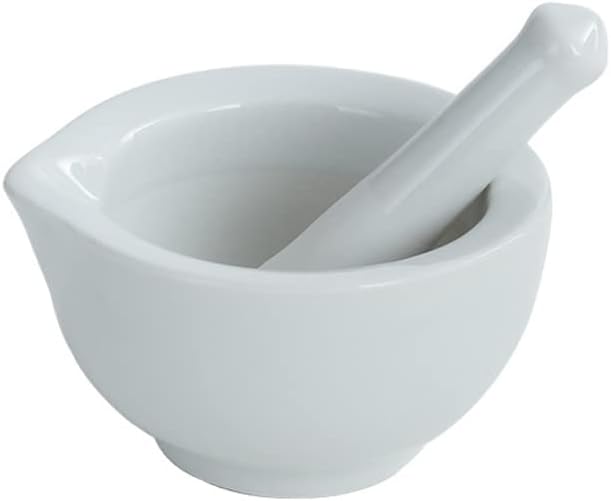
- 1. All Part is white, which fits well with the kitchen, small size, beautiful and generous, and can be placed anywhere i…
- 2. Made of ceramic, safe and hygienic, very durable.
- 3. Great for grinding species, herbs, medicine, or other substance.
Related Herbal Teas You May Enjoy
Prepare your tea the right way
If you plan to use this plant to make tea, use the Nutritive Blog tea infusion timer. Proper infusion time helps preserve active compounds and ensures better results.
Final Thoughts
Embaúba is a versatile medicinal tree offering diuretic, blood pressure-supporting, expectorant, cardiotonic, and healing properties, with both internal and external applications. When used correctly and in moderation, it is a valuable ally in natural herbal care.