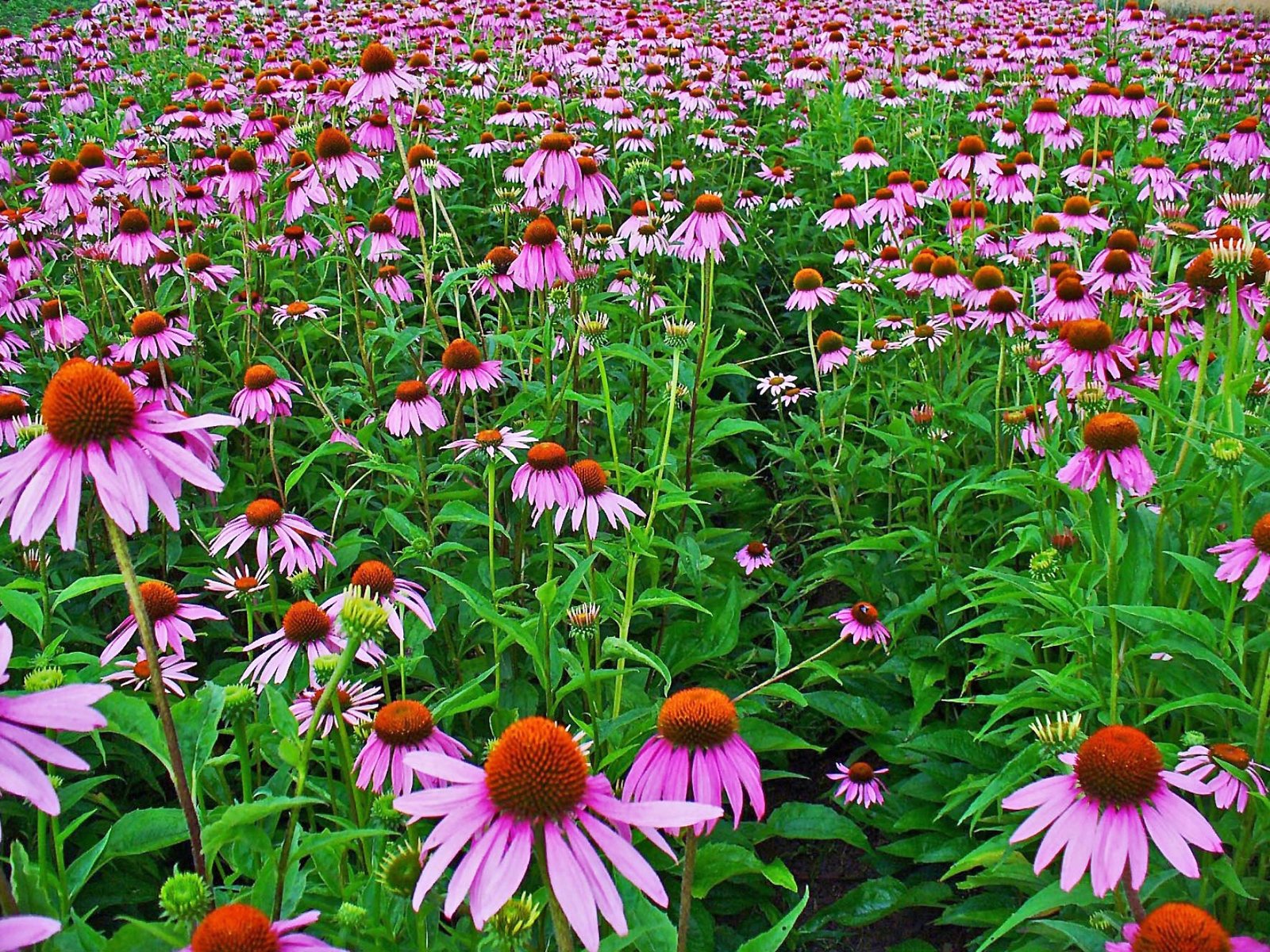
Echinacea tea is an herbal infusion made from the aerial parts (flowers and leaves) or roots of plants from the Echinacea genus — especially E. purpurea, E. angustifolia, and E. pallida.
With its herbal aroma and slightly bitter taste, it’s a refreshing and aromatic way to hydrate — served hot or iced.
On product labels, you’ll find it listed as “Echinacea” in English, “Equinácea” in Spanish, and “Equinácea” in Portuguese.
This practical guide brings you culinary insights, traditional uses, a simple recipe, storage and cultivation tips, and a clear FAQ with common questions.
⚠️ Disclaimer: This content is for informational purposes only and does not replace professional medical or nutritional advice.
🌿 What Is Echinacea Tea and Why People Love It
Echinacea tea is prepared by infusing or lightly decocting the plant in hot water.
The result is a herbal-floral beverage, slightly bitter and earthy — perfect for mindful breaks throughout the day or as a base for citrus-infused iced teas.
Sensory profile at a glance:
- Aroma: mild herbal and floral
- Flavor: light bitterness with earthy undertones
- Color: pale amber, depending on plant part and steeping time
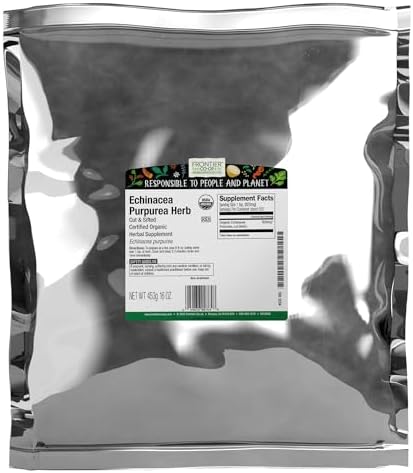
- Echinacea Purpurea – Frontier Co-op Organic Echinacea Purpurea Herb, Cut & Sifted is a versatile, mildly minty herb perf…
- Best Uses – Brew it as a tea for a gentle, tingling sensation, or mix with lemongrass for a flavorful broth. It also add…
- Crafted for quality and packaged with care – Frontier Co-op spices deliver bold flavor while supporting ethical sourcing…
🍵 Benefits and Culinary Curiosities of Echinacea Tea
Echinacea tea is a pleasant daily ritual that adds herbal complexity to your hydration routine and can enrich your kitchen creations.
- Mindful ritual: a warm cup invites moments of calm and grounding.
- Aromatic base: pairs well with lemon, ginger, mint, lemongrass, or molasses to balance bitterness.
- Versatile in recipes: works beautifully in homemade syrups, herbal jellies, and reduced sauces for roasted vegetables.
- Tradition and research: scientific interest centers around compounds found in E. purpurea (such as alkamides and caffeic acid derivatives). Studies show inconsistent results — they do not translate into medical claims. 【PMC】
Traditional and Popular Uses
Native to North America, echinacea was traditionally used in Indigenous herbal preparations and later became popular in Europe and the Americas.
Today, echinacea is common in herbal blends sold in tea shops and natural markets, often combined with ginger, mint, or citrus fruits.
These are cultural and culinary habits, not medical guarantees.
Public health agencies remind that scientific findings are mixed, depending on preparation type. 【NCCIH】
📊 Nutritional Table (100 g) — Prepared Herbal Tea, Unsweetened
Like most herbal teas, a brewed echinacea tea provides almost no calories or nutrients per 100 g.
Nutrient data for the dried plant does not apply to the diluted beverage.
| Component (100 g) | Amount | %DV* |
|---|---|---|
| Energy | 0–1 kcal | 0% |
| Carbohydrates | ~0.2–0.3 g | 0% |
| Protein | 0 g | 0% |
| Total Fat | 0 g | 0% |
| Saturated Fat | 0 g | 0% |
| Dietary Fiber | 0 g | 0% |
| Sodium | ~1–3 mg | 0% |
| Potassium | trace | — |
| Vitamin C | trace | — |
*Approximate %DV based on a 2,000 kcal diet.
Source: reference averages for unsweetened brewed herbal teas, showing ≈1 kcal and ≈0.2–0.3 g carbohydrates per 100 g. 【USDA】
How to Prepare Echinacea Tea (Practical Recipe)
Yields: 2 cups • Time: 10–15 minutes
Ingredients
- 1 tablespoon of dried echinacea (flowers/leaves) or 1 teaspoon of dried roots
- 500 ml of water
- Optional: lemon slices, ginger slice, or molasses (or preferred sweetener)
Method (infusion):
- Heat water until it just begins to simmer.
- Turn off heat, add echinacea, cover, and let steep for 7–10 minutes.
- Strain gently and serve. Add lemon or ginger if desired.
Want to master infusion vs. decoction methods? Read: How to Prepare Medicinal Teas Correctly
Flavor Variations
- Citrus Refreshing: echinacea + lemon (or orange) + ice
- Herbal & Warming: echinacea + ginger + cinnamon
- Floral & Gentle: echinacea + mint + touch of molasses

- ☕Humanized design:The 1200ml teapot has a large capacity and a water level scale is added on the surface. The teapot spo…
- ☕Multiple functions: The teapot is suitable for making a variety of different drinks, tea, coffee, herbs, etc. The teapo…
- ☕Safe teapot: It is composed of lead-free high borosilicate glass, using food-grade 304 stainless steel filter screen, w…
🍯 Culinary Uses and Creative Ideas
- Echinacea Syrup: simmer water, brown sugar (or molasses), and echinacea. Strain and use for mocktails, fruit toppings, or pear desserts.
- Herbal Jelly: adds complexity to berry jams and fruit compotes.
- Aromatic Reduction: reduce tea with orange juice and a splash of apple cider vinegar for roasted vegetables.
- Herbal Ice Cubes: freeze concentrated tea to add to sparkling water.
🌸 Cosmetic or Aromatic Use (with Caution)
Some people use cooled echinacea infusions in herbal baths or compresses for their fragrance and freshness.
Do a patch test first, avoid eyes and mucous membranes, and stop if irritation occurs.
These are traditional or popular practices, not medical treatments.
🌱 Storage and Cultivation Tips
Storage
- Keep dried herbs in a sealed jar, away from light, heat, and moisture.
- Always use a dry spoon to measure.
- Discard if the herb shows mold or unusual odor.
Home Cultivation
- Species: E. purpurea, E. angustifolia
- Light: full sun to bright partial shade
- Soil: fertile, well-drained, slightly alkaline to neutral
- Watering: regular, without waterlogging
- Harvest: flowers when open; roots only from mature plants
- Tip: use only identified species intended for consumption — avoid ornamental hybrids.
⚠️ Precautions, Contraindications, and Safety
To ensure safe and conscious use:
- Allergies: individuals sensitive to the Asteraceae family (ragweed, daisies) may experience allergic reactions. 【NCCIH】
- Medications: people using immunosuppressants or with autoimmune conditions should consult a healthcare provider before regular use. Rare liver-related reactions have been documented. 【NCBI】
- Pregnancy, breastfeeding, and children: seek individualized advice.
- Frequency: vary amounts based on preference; avoid overly strong infusions.
- Scientific consensus: research remains inconclusive regarding common cold prevention or immune effects. 【NCCIH】
⚠️ Reminder: This article is for informational purposes only and does not replace professional guidance.
❓ Frequently Asked Questions (FAQ)
1) Which species should I use?
The most common are E. purpurea (flowers/leaves) and E. angustifolia (roots).
Commercial tea blends usually indicate both the species and plant part on the label.
2) Can I mix echinacea with other herbs?
Yes. It blends well with ginger, lemon, lemongrass, and mint. Adjust proportions to keep a pleasant herbal balance.
3) Can I drink it iced?
Absolutely. Brew normally, let it cool, and serve with ice and lemon slices.
4) How much per cup?
Use 1–2 teaspoons of herb per 200–250 ml water as a starting reference.
5) Can ornamental echinacea be used for tea?
No. Use only edible species labeled for consumption, such as E. purpurea.
6) Does it contain caffeine?
No. Echinacea tea is naturally caffeine-free and very low in calories.
7) Can I sweeten it?
Yes, if desired — use molasses, melted cane sugar, or fruit syrup, but it’s enjoyable unsweetened.
8) When is the best time to drink?
Any time that fits your rhythm; avoid overly strong tea late at night if you’re sensitive to bitter flavors.

- Kitchen cooking necessities:mortar and pestle set use the ancient grinding method to make the food closer to nature. The…
- Multiple functions:suitable for all kinds of food in the kitchen,such as grinding nuts,seeds,ginger roots and garlic int…
- Rugged and durable:the unpolished granite is well made,retains the strong and durable characteristics of stone,and can r…
📚 External Reliable Source
- NCCIH / NIH — Echinacea Fact Sheet — balanced overview of evidence, safety, and preparation types.
🔗 Keep Reading on Nutritive Blog
- How to Prepare Medicinal Teas Correctly
- Hibiscus Tea — Benefits and How to Prepare
- Ginger Tea — Benefits and How to Prepare
🌼 Conclusion — Echinacea Tea in Your Routine
Echinacea tea offers an inviting herbal profile that helps diversify hydration and create mindful breaks throughout the day.
It adds unique flavor to your wellness routine and can inspire recipes — from homemade syrups to iced citrus blends.
With mindful preparation, moderation, and respect for individual needs, this herbal infusion can earn a permanent spot in your daily life.
⚠️ Final Reminder: Informational content only — not a substitute for professional medical or nutritional advice.
Prepare your tea the right way
If you plan to use this plant to make tea, use the Nutritive Blog tea infusion timer. Proper infusion time helps preserve active compounds and ensures better results.
✍️ Author Box

Written by Alexandre Zorek, graduate in Business Administration and postgraduate in Botany.
Passionate about orchids, photography, and natural nutrition, and father of Bianca and Beatriz, he shares reliable, practical knowledge about plants, fruits, teas, and vegetables.