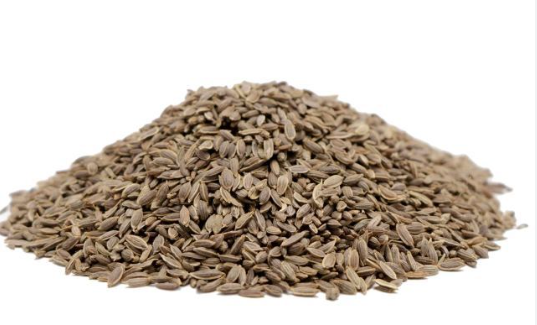
Dill tea (Anethum graveolens) is an aromatic herb widely known for its culinary value, especially in Mediterranean and Middle Eastern cuisines. Beyond its role as a flavorful seasoning, dill has a long history of traditional use for digestive support, relaxation, inflammation control, and overall wellness.
Both dill leaves and seeds carry beneficial compounds, but the seeds — with their warm, slightly sweet aroma — are most commonly used to prepare medicinal dill tea. In this complete guide, you’ll learn the health benefits of dill, how to prepare dill tea correctly, other practical uses, and important safety considerations.
⚠️ This content is for educational purposes only and does not replace medical or professional healthcare advice.
What Is Dill (Anethum graveolens)?
Dill is an annual herb from the Apiaceae family, native to the Mediterranean region and Western Asia. It grows quickly, producing slender stems with delicate, feathery leaves and small yellow flowers that mature into aromatic seeds.
Dill seeds are frequently used in:
- Pickling (especially cucumbers)
- Fish dishes
- Sauces and bread recipes
- Herbal infusions and natural remedies
Historically, dill has been valued in traditional medicine for its ability to ease digestion, calm the nervous system, support sleep, and promote general balance in the body.

- Dill Seed Tea (Loose) (8 oz, ZIN: 518592)
- No fillers.
- Manufacturer: TerraVita
Health Benefits of Dill tea
Dill contains antioxidants, flavonoids, essential oils, and omega-3 fatty acids, all of which contribute to its medicinal reputation. Below are the main benefits associated with dill tea and regular culinary use.
1. Supports Healthy Digestion
Dill is best known for its carminative properties, meaning it helps reduce gas, bloating, intestinal cramps, and indigestion. Dill tea is often consumed after meals to ease digestive discomfort and promote smoother digestion.
2. Natural Calming Effect and Sleep Support
Dill has mild calming properties that may help reduce stress, nervous tension, and restlessness. Drinking dill tea in the evening can support relaxation and improve overall sleep quality.
3. Antioxidant and Anti-Inflammatory Action
Rich in antioxidants, dill helps fight oxidative stress caused by free radicals. Its anti-inflammatory compounds may support people dealing with inflammatory conditions such as joint discomfort and low-grade chronic inflammation.
4. Helps Maintain Healthy Cholesterol Levels
Some studies suggest that regular consumption of dill may contribute to lower LDL (bad cholesterol) levels while supporting cardiovascular health.
5. Antimicrobial Properties
Dill contains natural compounds with antibacterial and antifungal activity, making it useful in traditional approaches for supporting urinary and skin health.
6. Supports Eye Health
With its content of vitamin A and beta-carotene, dill may help protect vision and support long-term eye health by reducing oxidative damage.
How to Prepare Dill Tea
Dill tea is one of the simplest and most effective ways to enjoy the plant’s medicinal properties, especially for digestion and relaxation.
Ingredients
- 1 teaspoon dill seeds
- 1 cup (250 ml) water
Preparation
- Bring the water to a boil.
- Add the dill seeds and turn off the heat.
- Cover and let steep for 10–15 minutes.
- Strain and drink warm.
✅ Dill tea can be consumed up to twice per day, preferably after meals or before bedtime.
For a deeper understanding of brewing techniques, visit our complete guide:
How to Prepare Herbal Tea the Right Way

- FAST BOILING: Chefman kettles boil water fast. Boil your water for as little as 3 minutes for tea, hot chocolate, pour-o…
- VARIABLE HEAT SETTINGS: Custom temperature control includes seven presets with boiling temps ranging from 160-212°F for …
- TRI-COLOR LED LIGHTS: Easily see when your glass teapot with infuser is in standby mode (white lights), heating mode (re…
Other Uses of Dill
1. Culinary Use
Dill leaves and seeds are staples in:
- Fish and seafood dishes
- Pickles and preserves
- Sauces, dressings, and soups
Fresh leaves add brightness, while seeds bring a deeper, warming flavor.
2. External Use
Dill essential oil, when properly diluted in a carrier oil, has traditionally been used in massages for mild muscle tension and topical skin care.
3. Dill Essential Oil
Extracted primarily from the seeds, dill essential oil is valued for its digestive, calming, and anti-inflammatory properties. It should always be used with professional guidance.
Contraindications and Safety Considerations
Although dill is generally safe, moderation is important.
- Pregnant and breastfeeding women should consume dill in culinary amounts only, unless advised otherwise by a healthcare professional.
- Individuals allergic to other Apiaceae plants (such as celery, carrot, or cumin) should avoid dill.
- Excessive use may interfere with hormonal balance due to mild estrogenic activity.
As with all herbs, consistent moderation is key.
How to Grow Dill at Home
Dill is easy to cultivate and ideal for home gardens and small containers.
Growing Tips
- Sun: Full sunlight
- Soil: Well-drained, organic-rich soil
- Water: Moderate watering without waterlogging
- Climate: Thrives in mild to warm temperatures
Dill grows quickly, making it a favorite for urban gardens and kitchen herb beds.
Interesting Facts About Dill
- Dill was considered a sacred plant in ancient cultures and used in rituals.
- Ancient Egyptians used dill for digestive and fertility-related remedies.
- The name Anethum graveolens comes from Greek, meaning “strongly scented” — a nod to its unmistakable aroma.

- Dill Seed Tea (25 tea bags, ZIN: 518593)
- No fillers.
- Manufacturer: TerraVita
Other Herbal Teas You May Enjoy
- Chamomile Tea: Benefits and How to Prepare
- Peppermint Tea: Refreshing and Digestive Support
- Anise Tea: Benefits, Uses, and How to Prepare
Conclusion
Dill is a versatile medicinal plant that offers a range of benefits — from digestive relief and stress reduction to anti-inflammatory and antioxidant support. Whether enjoyed as a tea or used in cooking, dill provides gentle yet effective natural health support.
Incorporated responsibly, dill can be a flavorful and therapeutic addition to your daily wellness routine.
Prepare your tea the right way
If you plan to use this plant to make tea, use the Nutritive Blog tea infusion timer. Proper infusion time helps preserve active compounds and ensures better results.
Author Box
Written by Alexandre Zorek
Administrator with postgraduate studies in Botany. Passionate about medicinal plants, natural nutrition, orchids, and photography. Father of Bianca and Beatriz. Alexandre shares reliable, practical knowledge about herbs, teas, fruits, and vegetables in an accessible and responsible way.