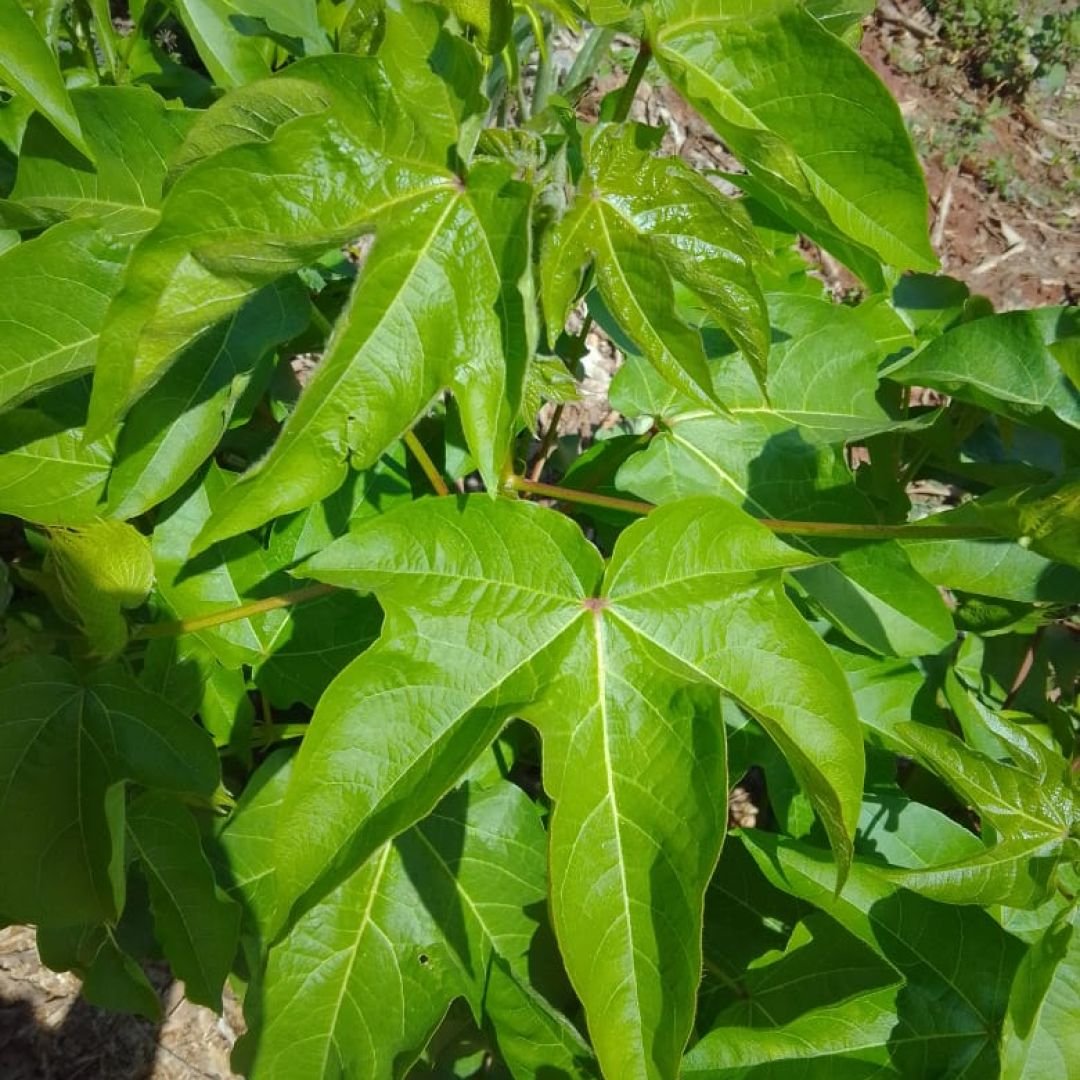
Cotton plant tea is an herbal infusion made from parts of the Gossypium species — most commonly the leaves and, in some traditional records, the bark of the root. Its flavor is herbal, slightly bitter, and earthy, with a subtle aroma that blends beautifully with citrus fruits and warm spices.
Depending on the region, you may find it referred to as cotton plant tea, cotton leaf tea, or by its botanical names Gossypium hirsutum or G. herbaceum. Regardless of the terminology, the focus here is to prepare an aromatic beverage responsibly, using safe and properly identified plant materials.
In this complete guide, you’ll discover cotton plant tea benefits, traditional and culinary uses, an easy recipe, storage and cultivation tips, and a clear FAQ section.
⚠️ Disclaimer: This content is for informational purposes only and does not replace medical or nutritional advice.
🌿 What Is Cotton Plant Tea and Why It’s Unique
Cotton plant tea is made by infusing dried leaves or lightly simmering tougher parts such as bark. The result is a mild, earthy beverage that can be enjoyed hot or cold, and pairs well with lemon, mint, cinnamon, or ginger.
Sensory Profile at a Glance
- Aroma: Soft herbal scent with field-like notes
- Flavor: Mild bitterness with an earthy background
- Color: Golden to light amber, depending on preparation time

- Robust and lively organic black tea blend
- Natural source of protective antioxidants
- 70 tea bags per package
🍵 Cotton Plant Tea Benefits and Culinary Insights
Think of cotton plant tea not as a cure but as a pleasant, plant-based beverage that adds variety to hydration and a distinctive herbal note to recipes.
- A comforting ritual: A warm cup creates moments of mindful pause during the day.
- A versatile flavor base: Pairs with citrus, ginger, cinnamon, and lemongrass to soften its natural bitterness.
- In the kitchen: Makes excellent herbal syrups for mocktails, adds depth to berry jams, and works in aromatic reductions for roasted vegetables.
- Natural composition: Studies describe the presence of plant flavonoids and polyphenols in Gossypium leaves, interesting for culinary experimentation and natural coloring. (PubMed references available)
🌸 Traditional and Cultural Uses
Ethnobotanical records show that cotton leaves have been used in various infusions and decoctions around the world, typically as part of local culinary or cultural traditions. At home, people often mix it with lemon, cinnamon, or molasses to balance its slight bitterness. These uses belong to cultural heritage and should not be interpreted as medicinal claims.
📊 Nutritional Overview (Cotton Leaves – per 100 g)
These tables represent the raw or dried plant material, not the final brewed tea. Because the tea is a diluted infusion, nutritional values in a cup are minimal.
| Component (Fresh Leaves) | Amount (100 g) | %DV* |
|---|---|---|
| Energy | 90 kcal | 5% |
| Carbohydrates | 13.5 g | 5% |
| Protein | 7.1 g | 9% |
| Total Fat | 0.9 g | 2% |
| Fiber (crude) | 2.6 g | — |
| Calcium | — | — |
| Iron | — | — |
| Component (Dried Leaves) | Amount (100 g) | %DV* |
|---|---|---|
| Energy | 324 kcal | 16% |
| Carbohydrates | 48.5 g | 16% |
| Protein | 19.7 g | 26% |
| Total Fat | 5.7 g | 10% |
| Fiber (crude) | 12.7 g | — |
| Potassium | 289 mg | 8% |
| Calcium | 411 mg | 41% |
| Iron | 1.7 mg | 12% |
Daily Values estimated for a 2,000 kcal diet. Adapted from global compositional studies on Gossypium leaves (ResearchGate and Global Scientific Journal).
🍋 How to Make Cotton Plant Tea (Practical Recipe)
Yield: 2 cups • Time: 10–15 minutes
Ingredients
- 1 tablespoon of dried cotton plant leaves (Gossypium spp.)
- 500 ml (2 cups) of water
- Optional: lemon slices, cinnamon stick, a small piece of ginger, or molasses
Preparation (Infusion Method)
- Heat the water until it’s just below boiling.
- Remove from heat, add the leaves, and cover.
- Let steep for 7–10 minutes.
- Strain and serve. Add lemon, cinnamon, or molasses as desired.
For bark or tougher parts (decoction method): Simmer for 2–3 minutes, then turn off the heat, cover, and steep for another 5–7 minutes before straining.

- Large & Easy to Use – The loose leaf tea steeper with a large-capacity basket allows leaves to expand completely, releas…
- Extra Fine Mesh Design – The fine mesh of this tea infuser prevents even the tiniest tea leaves from escaping into the c…
- Heatproof Double Handles Design – The handle of the tea strainer for loose tea, with two silicone nubs on the tips, can …
🌺 Tasty Variations
- Citrus & Light: Cotton plant + lemon or orange for a balanced acidity.
- Warm & Spiced: Cotton plant + cinnamon and ginger for a comforting flavor.
- Iced Version: Prepare normally, cool, and serve with ice and mint leaves.
🧑🍳 Culinary and Creative Uses
- Cotton plant syrup: Boil water, sugar, and leaves; reduce and strain for mocktails and desserts.
- Jams & compotes: Adds herbal depth to berry jams.
- Glazes and reductions: Combine with orange juice and apple cider vinegar for roasted vegetables.
- Herbal ice cubes: Freeze concentrated tea in trays for sparkling water.
💆♀️ Cosmetic or Aromatic Uses (With Caution)
Some people use cooled cotton tea in herbal baths or compresses for its mild aroma. Always do a patch test first, avoid contact with eyes and mucous membranes, and stop use if irritation occurs. These are traditional uses with no scientifically proven cosmetic effects.
🏡 Storage and Cultivation
Storage:
- Keep dried leaves in a sealed container away from light and humidity.
- Always use a dry spoon when measuring portions.
- Discard if mold or unpleasant odor develops.
Cultivation (U.S. context):
- Cotton plants thrive in warm, sunny regions such as Texas, Georgia, and Alabama.
- Use fertile, well-drained soil and water regularly without overwatering.
- Harvest leaves from mature plants only.
- ⚠️ Do not use seeds for tea or consumption.
⚠️ Precautions and Safety Guidelines
- Avoid using seeds or roots — they may contain gossypol, a compound that can be toxic at certain concentrations.
- Use only identified and verified leaves for preparation.
- Pregnant or breastfeeding women, children, and people with medical conditions should seek professional guidance before using cotton plant tea.
- Check product labels for botanical identification (Gossypium spp.) and origin.
- If any adverse reaction occurs, stop using and consult a healthcare provider.
❓ FAQ – Cotton Plant Tea
1. Which part of the plant is used?
Primarily the leaves. Bark can be used with light decoction, but seeds should be avoided.
2. Does cotton plant tea contain caffeine?
No — it’s naturally caffeine-free and calorie-free when prepared without sugar.
3. Can it be served cold?
Yes! It’s delicious chilled with lemon or mint.
4. Can I sweeten it?
If desired, use molasses or honey instead of refined sugar.
5. Can I mix it with other herbs?
Yes. Mint, lemongrass, and ginger make great companions.
6. Why should seeds and roots be avoided?
Because they contain gossypol, a natural compound linked to potential toxicity in high amounts. Use leaves only.

- Handy Kitchen Tool – Enjoy the rich flavors of fresh ground spices, paste, or herbs with our grinder mortar pestle set. …
- Crafted to Last – Made of solid marble stone, our molcajete bowl won’t easily break or crack even with frequent use. The…
- Beautiful Pill Crusher Set – The stone mortar and pestle are all white with gray accents and a smooth outer finish. This…
✅ Continue Exploring
- How to Prepare Herbal Tea Correctly
- Ginger Tea: Benefits and How to Prepare
- Hibiscus Tea: Benefits and How to Prepare
- Chamomile Tea: Benefits and How to Prepare
🌼 Conclusion: Cotton Plant Tea in Your Daily Routine
Cotton plant tea offers an earthy, herbal profile that adds variety to your tea rituals — from warm infusions to refreshing iced versions. With proper preparation, quality sourcing, and mindful use, this unique beverage brings both curiosity and creativity to your table.
⚖️ Final Note: This content is for informational purposes only and does not replace professional medical or nutritional advice.
Prepare your tea the right way
If you plan to use this plant to make tea, use the Nutritive Blog tea infusion timer. Proper infusion time helps preserve active compounds and ensures better results.
✍️ Author Box

Article written by Alexandre Zorek, graduate in Business Administration and postgraduate in Botany. Passionate about orchids, photography, and natural nutrition, father of Bianca and Beatriz, he shares reliable, easy-to-understand information about plants, fruits, teas, and vegetables.