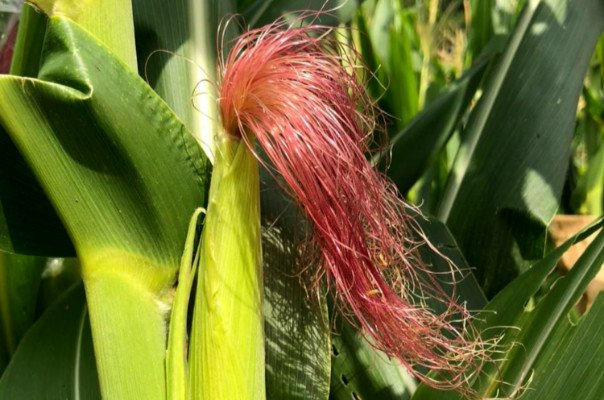
Corn silk tea is a gentle herbal infusion made from the golden threads (stigmas) that grow around the ear of corn (Zea mays). Across different regions, these strands are also called corn silk, maize silk, or “barbas de milho.” In addition to its use as a mild, caffeine-free tea, corn silk appears in academic literature and herbal-interest lists, often with recommendations on proper use, preparation, and safety.
In everyday life, this tea is appreciated for its delicate aroma, soft cereal-like flavor, and versatility—perfect for rotating with water or other herbal teas. Like most unsweetened infusions, the brewed cup is extremely low in calories and macronutrients. It’s essentially a sensory, hydrating experience—not a nutrient-dense drink.
Before diving in, one important reminder: although corn silk is widely used in traditional contexts, scientific literature also highlights safety considerations. Extracts and concentrated preparations may increase water and electrolyte excretion, and excessive use—especially when combined with diuretic medications—may contribute to imbalance such as low potassium. Pregnant individuals, those with specific medical conditions, or anyone taking medication should be cautious.
⚠️ Disclaimer: This content is for informational purposes only and does not replace professional medical or nutritional guidance.
Why Corn Silk Tea Appeals to Many
Corn silk tea is soft, slightly sweet, and reminiscent of freshly cooked sweet corn. Short infusions produce a clear, mild drink; longer steeping times bring out a comforting cereal note.
Sensory Profile (Light Infusion)
- Aroma: vegetal, sweet-grain, warm.
- Flavor: delicate, lightly sweet, similar to sweet corn.
- Color: pale yellow, translucent.
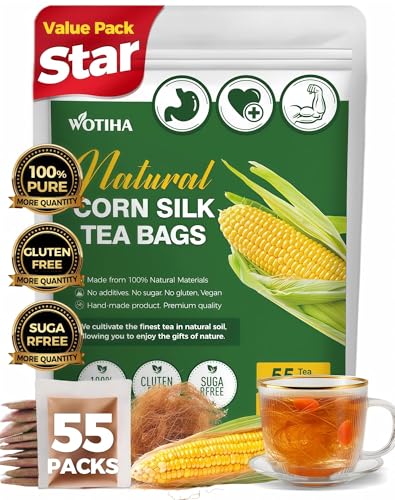
- ☘️Sun-Dried Pure Corn Silk – Mild Herbal Sweetness with No Bitterness Handpicked from chemical-free cornfields, sun-drie…
- ☘️55-Count Corn Silk Tea Bags – Caffeine-Free for Urinary Support & Water Retention Relief Made with 100% pure corn silk…
- ☘️Supports Urinary Wellness & Reduces Water Retention Naturally caffeine-free, perfect for office workers’ edema, post-m…
Culinary Benefits & Interesting Notes
- Caffeine-free ritual: a warm mug after meals creates a moment of calm without the stimulation of coffee or black tea.
- Great for blends: pairs beautifully with lemon peel, ginger, cinnamon, and mint—hot or iced.
- Research interest: scientific reviews explore flavonoids and polysaccharides in corn silk extracts and possible antioxidant activity. For home use, keep your expectations realistic—this is a very light infusion, not a herbal extract.
Traditional & Popular Uses
Corn silk has a long history of use in herbal preparations—especially light aqueous infusions linked to urinary comfort in various cultures. Animal studies suggest increased water and electrolyte excretion after consuming concentrated extracts, which helps explain its traditional reputation as a “gentle tonic.”
However, these observations do not replace individualized medical assessment.
Nutritional Table — Brewed Herbal Tea (100 g)
(Reference values for unsweetened brewed herbal tea, similar to chamomile. This represents the nutritional order of magnitude for corn silk tea, which is nearly nutrient-free.)
| Component (100 g brewed) | Amount | %DV* |
|---|---|---|
| Calories | ~0.3 kcal | 0% |
| Carbohydrates | ~0.1 g | 0% |
| Protein | 0.0 g | 0% |
| Total Fat | 0.0 g | 0% |
| Sodium | ~1 mg | 0% |
| Potassium | ~9 mg | 0% |
| Calcium | ~2 mg | 0% |
| Iron | ~0.08 mg | 0% |
*Based on a 2,000-calorie adult diet.
Why so low? Only 1–2 g of plant material is used per cup—very little migrates into the water.
How to Make Corn Silk Tea (Practical Recipe)
Yields: 2 cups
Time: 7–10 minutes
Ingredients
- 1 teaspoon corn silk (≈ 0.5 g) per cup
- 500 ml water (for 2 cups)
- Optional: lemon peel (without the white pith), a thin slice of ginger, or a cinnamon stick
Instructions (Infusion)
- Heat the water until just before boiling.
- Turn off the heat, add the corn silk, cover, and steep for 6–8 minutes.
- Strain gently and serve warm, iced, or with citrus and ginger.
For more steeping techniques and differences between infusion vs. decoction, see our guide How to Prepare Natural Teas.

- THE BEST OF FORM AND FUNCTION. The Kyoto Teapot was designed to deliver years of exceptional quality and tea-drinking pl…
- TWO-IN-ONE HEAT AND STEEP DESIGN. For use as a stovetop kettle and tea steeper – heat water then steep tea all with one …
- EXCEPTIONAL QUALITY AND HEALTH BENEFITS. Pure borosilicate glass stands above other teapot materials for health as well …
Flavorful Variations
- Citrus Iced Tea: add lemon and ice.
- Cozy Herbal Blend: ginger + cinnamon.
- Light Syrup: reduce equal parts tea + sugar into a mild syrup for homemade sodas.
Culinary & Topical Uses
In the Kitchen
Corn silk tea works well as:
- a base for iced drinks,
- a gentle mixer for mocktails,
- a cooking liquid for grains (in place of water),
- a base for lightly flavored fruit syrups.
Topical / Sensory Uses
Some people use chilled corn silk tea in compresses for comfort. If trying this, always test on a small patch of skin and avoid eyes and mucous membranes.
Storage & Sourcing
- Collect stigmas while they’re golden—not brown.
- Dry in the shade and store in an airtight container away from moisture and light.
- If drying at home, ensure proper hygiene.
- Choose high-quality, labeled products when buying ready-to-use corn silk.
Safety, Contraindications & Precautions
- Diuretic effect: animal studies show increased excretion of water and electrolytes. Excessive use or combining with diuretics may contribute to low potassium (hypokalemia).
- Pregnancy & breastfeeding: avoid frequent or concentrated use—some toxicological studies raise caution.
- Diabetes & blood pressure medications: avoid adjusting doses on your own; consult your health provider.
- Corn allergy: anyone allergic to corn or corn derivatives should avoid corn silk entirely.
- Use duration: keep preparations mild and avoid prolonged, continuous use.
⚠️ This material is informational only and does not replace medical advice.

- 【MANUALLY GRIND,ORIGINAL FLAVOR】— Luvan mortar and pestle home made fresh delicious guacamole, Mortar and pestle grani…
- 【100% UNPOLISHED GRANITE MATERIAL 】— The pestle and mortar set kit are made of 100% natural granite,hand-build from a …
- 【 8INCH LARGE CAPACITY & EFFORT-SAVING AND EFFICIENT】—Mortar and pestle setarger 4 cup capacity holds more ingredients…
FAQ — Corn Silk Tea
1) Does corn silk tea contain caffeine?
No. It is naturally caffeine-free.
2) Can I drink it daily?
Regular daily use is not recommended. Because of its diuretic potential, moderation and breaks are advisable—especially if you take diuretics.
3) How much per cup?
About 0.5 g per cup (a small teaspoon). Adjust to taste.
4) Is it good for kidneys or the bladder?
Traditionally, it’s associated with urinary comfort, but evidence does not replace proper diagnosis or treatment. Seek professional help for persistent symptoms.
5) Can pregnant individuals drink it?
Avoid concentrated use. There are safety concerns at high doses and insufficient data for pregnancy.
6) What flavors pair well with it?
Lemon, ginger, mint, and cinnamon.
Explore More Herbal Guides
To keep readers engaged and increase pageviews, here are highly relevant internal links:
- Ginger Tea — Benefits & How to Prepare
- Hibiscus Tea — Flavor, Uses & Important Precautions
- Boldo Tea — How to Prepare & Who Should Avoid It
Conclusion
Corn silk tea is a light, comforting infusion that fits perfectly into a balanced herbal tea rotation. With its subtle grain-sweet flavor and easy preparation, it’s an enjoyable option for moments of calm. Just remember to use it in moderation and pay attention to contraindications—particularly regarding diuretics, electrolytes, pregnancy, and existing medical conditions.
Ready to explore more herbal flavors? Continue browsing the Nutritive Blog!
Prepare your tea the right way
If you plan to use this plant to make tea, use the Nutritive Blog tea infusion timer. Proper infusion time helps preserve active compounds and ensures better results.
About the Author

Alexandre Zorek is a Brazilian writer with a degree in Business Administration and postgraduate studies in Botany. Passionate about orchids, photography, and natural foods, he brings science-based, easy-to-understand content to readers exploring fruits, vegetables, herbal teas, and plant-based wellness. As the father of Bianca and Beatriz, he values clarity, trust, and practicality in everything he writes.