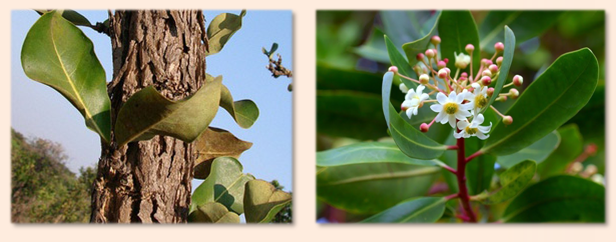
Catuaba tea is an aromatic infusion made from the bark of native Brazilian trees. Depending on the region and the supplier, the name “catuaba” most often refers to Trichilia catigua (family Meliaceae) and/or Erythroxylum vacciniifolium (family Erythroxylaceae). Preclinical studies on T. catigua suggest possible effects on the central nervous system and fatigue models — but the evidence in humans is still limited and does not support strong clinical claims.
There’s also an important botanical identity issue: market analyses have found adulteration and mixing of species under the “catuaba” label, with samples containing bark from different plants. Because of this, it’s essential to choose products that clearly list the scientific name and origin on the label.
In the cup, catuaba tea is golden to amber, pleasantly bitter, and gently woody/herbal — a naturally caffeine-free drink that can support relaxing, mindful breaks. The focus here is culinary and educational, not medical.
⚠️ Disclaimer: This content is for informational purposes only and does not replace professional medical or nutritional advice.
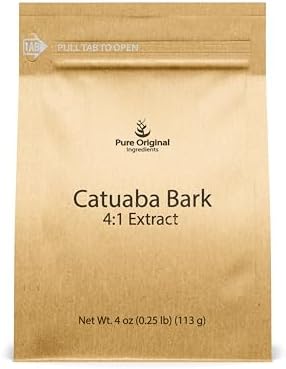
- Pure Original Ingredients Catuaba Bark Extract Powder is made from a single ingredient, providing a pure undiluted suppl…
- Catuaba Bark Extract is a natural source of flavalignans and other flavonoids
- Catuaba Bark is native to Brazil
What Catuaba Is (and Why the Name Is Confusing)
In the herbal and supplement market, “catuaba” is not just one plant.
Main “catuabas” you’ll see sold:
- Trichilia catigua – the species most often studied in lab models (fatigue, mood, dopaminergic activity).
- Erythroxylum vacciniifolium – reported to contain tropane alkaloids known as catuabines.
Adulteration and mixing of species
Market surveys of “catuaba” products found that many samples did not match the species listed on the label, with T. catigua appearing in a large number of lots. This is why source and labeling matter so much when you’re buying bark or tea blends.
Why Catuaba Tea Appeals
🌿 Caffeine-free ritual
A warm mug of catuaba tea can be part of an evening or late-afternoon ritual — a bitter-tonic style drink to slow down, without caffeine.
🌱 Versatile sensory profile
The bark pairs very well with:
- orange or lemon peel
- fresh ginger
- a cinnamon stick
It works both hot and iced as a tonic-style herbal drink.
🔬 Research interest (with important limits)
Preclinical studies on T. catigua describe antidepressant-like effects in animals via dopaminergic pathways, as well as antifatigue and other lab outcomes. These results help explain the plant’s cultural reputation — but they are not enough to treat catuaba as a proven medicine in humans.
Traditional and Popular Uses
In Brazil, catuaba bark infusions are used as a bitter aromatic tonic in tea circles and regional recipes (including syrups for craft drinks).
In folk herbalism, catuaba is often associated with stimulation, energy, and libido in the popular imagination. Modern science, however, still offers only limited human data, so the safest approach at home is to enjoy it as an occasional bitter herbal tea, not as a “miracle” remedy.
Nutritional Table — Brewed Herbal Infusion (100 g)
Like most unsweetened herbal teas, a cup of catuaba tea is almost entirely water, with very low calories and macronutrients. The table below uses standard “herbal tea, brewed” values as a proxy for a light bark infusion.
| Component (100 g – brewed tea) | Amount | %DV* |
|---|---|---|
| Calories | ≈ 0.3–1 kcal | 0% |
| Carbohydrates | ≈ 0.1–0.2 g | 0% |
| Protein | 0 g | 0% |
| Total Fat | 0 g | 0% |
| Sodium | ~1 mg | 0% |
| Potassium | trace | 0% |
*Percent Daily Values are based on a 2,000-calorie diet.
Since only a small amount of bark is used for each cup, the drink’s nutritional impact is minimal. Its main “function” in your routine is taste, aroma, and ritual.
How to Make Catuaba Tea (Practical Recipe)
Servings: 2 cups
Total time: 10–15 minutes
Ingredients
- 2–3 level teaspoons of dried catuaba bark (about 2–3 g total), labeled with the scientific name
- 500 ml (about 2 cups) of water
- Optional: strips of orange or lemon peel (without the white pith), a thin slice of ginger, or 1 cinnamon stick
Directions (Light Decoction/Infusion)
- Heat the water until it just starts to boil.
- Add the catuaba bark and reduce to a gentle simmer for 5–8 minutes.
- Turn off the heat, cover, and let steep for another 2–3 minutes.
- Strain and serve warm.
For an iced version, let it cool, sweeten lightly if desired, and serve over ice with a slice of citrus.
If you’d like to refine your technique (ratio, steeping time, infusion vs. decoction), check out the Nutritive Blog guide:
→ How to prepare natural teas
Flavor Variations to Try
- Citrus Bitter Tonic:
Catuaba + orange peel (brief simmer) + ice. - Spiced Comfort Blend:
Catuaba + ginger + cinnamon stick (short simmer and steep). - Tonic Syrup:
Reduce 1 part strong catuaba tea + 1 part sugar to a light syrup and use it in mocktails and soda-style drinks.
Culinary and Cosmetic Uses (With Caution)
In the kitchen
The bitter profile of catuaba works well to balance sweet flavors:
- in syrups for desserts
- in glazes or soaks for roasted fruit
- as part of the cooking liquid for grains (use small amounts and strain well)
On the skin?
There is no strong tradition of topical use for catuaba bark. Since the main interest is culinary and research-related, it’s best to avoid concentrated homemade skincare or topical preparations.

- Fine Mesh : Fri4free tea strainers for loose tea use reliable fine mesh that makes the mesh holes distributed evenly and…
- Easy to use: With our threaded lid design, tea infuser for loose tea are easy to open and close by simply screwing. Also…
- Premium Materials: The loose leaf tea infuser is made of 304 food-grade stainless steel, which is safe to use, and resil…
Quality, Storage, and Sustainability
- Storage: keep the dried bark in an airtight container, away from light, moisture, and heat. Discard if you notice mold or an off smell.
- Labeling: because of the species mix and adulteration reported in the market, always choose products that list the scientific name, batch, and origin.
- Sustainable harvesting: both Trichilia catigua and Erythroxylum vacciniifolium are native trees; bark harvesting should follow sustainable practices to avoid damaging the trees.
Safety, Contraindications, and Sensitivity
🔍 Evidence in humans is limited
Most data come from animal and in vitro studies. Do not treat catuaba tea as a substitute for medical treatment or as a guaranteed solution for fatigue, mood, or libido.
🚫 Who should be especially cautious or avoid it
- Pregnant or breastfeeding individuals – due to lack of robust safety data
- People taking psychiatric or neurological medications (e.g., antidepressants, dopaminergic drugs)
- Individuals with known sensitivity to tropane alkaloids or complex bitter formulas
🧪 Alkaloids and active compounds
In Erythroxylum vacciniifolium, studies describe catuabines (tropane alkaloids). This reinforces the need for:
- reliable sourcing
- moderation
- medical guidance if you have existing medical conditions or take multiple medications
⚠️ Not the same as “catuaba wine”
Alcoholic beverages sold as “catuaba wine” are not the same as tea. They contain alcohol and often blends of herbs, and are not suitable for minors, pregnant individuals, or anyone avoiding alcohol.
🚨 Warning signs — stop use and seek advice if:
- you experience palpitations
- trouble sleeping or increased agitation
- stomach discomfort or strong digestive reactions
- any allergic response (itching, swelling, rash, breathing changes)
⚠️ This guide does not replace personalized medical evaluation.
FAQ — Catuaba Tea
1) Is “catuaba” always the same plant?
No. In the market, “catuaba” usually refers to Trichilia catigua, Erythroxylum vacciniifolium, or a mix of species. Always look for the scientific name on the label.
2) Does catuaba tea contain caffeine?
No. It’s a bark infusion, naturally caffeine-free.
3) Can I drink it every day?
It’s better to use catuaba tea in moderation and rotate herbs. If you are pregnant, breastfeeding, take medication, or have a chronic condition, it’s safest to avoid it or consult a professional first.
4) Does catuaba really boost energy or libido?
Preclinical studies on T. catigua suggest antifatigue and mood-related effects in animal models, but robust human trials are lacking. Enjoy it as a bitter herbal tea, not as a guaranteed energizer or aphrodisiac.
5) Is it related to “coffee cascara”?
No. Coffee cascara is the dried husk/pulp of the coffee cherry. Catuaba is bark from native Brazilian trees and has different compounds and uses.
6) Can I cook with catuaba?
Yes — in small amounts. Its bitter tone can balance syrups, dessert sauces, and fruit glazes. Just make sure you strain well and keep portions modest.

- This teapot is completely hand crafted, made from heat resistant borosilicate glass, specially designed with non drippin…
- Removable high-grade 18/10 stainless steel mesh infuser filter for loose teas or blooming teas, the lid fits the tea bas…
- This beautiful teapot can be placed directly in the microwave oven or on either gas or electric stove tops, use a medium…
Keep Exploring on Nutritive Blog
- Corn Silk Tea: Uses, How to Prepare It, and Safety Tips
- Cinnamon Tea: Benefits, How to Prepare It, and Cumarine Safety
- Calendula Tea: Floral Flavor, Uses, and How to Brew It Safely
Conclusion
Catuaba tea offers an elegant bitter flavor, woody herbal notes, and a strong cultural background in Brazilian herbal traditions. When you choose well-labeled bark, prepare it lightly, and drink it in moderation, it can be a unique addition to your caffeine-free tea rotation.
If your goal is to address health concerns such as fatigue, mood, or libido, think of catuaba as a supporting ritual, not a standalone solution — and discuss any targeted use with a healthcare professional.
Curious to explore more herbal flavors safely? Keep browsing the tea guides on Nutritive Blog and build your own personalized herbal rotation.
⚠️ Final reminder: This content is informational only and does not replace professional medical or nutritional guidance.
Prepare your tea the right way
If you plan to use this plant to make tea, use the Nutritive Blog tea infusion timer. Proper infusion time helps preserve active compounds and ensures better results.
Author Box

Article written by Alexandre Zorek, who holds a degree in Business Administration and a postgraduate specialization in Botany. Passionate about orchids, photography, and natural foods — and father to Bianca and Beatriz — he shares trustworthy, practical knowledge about plants, fruits, teas, and vegetables.