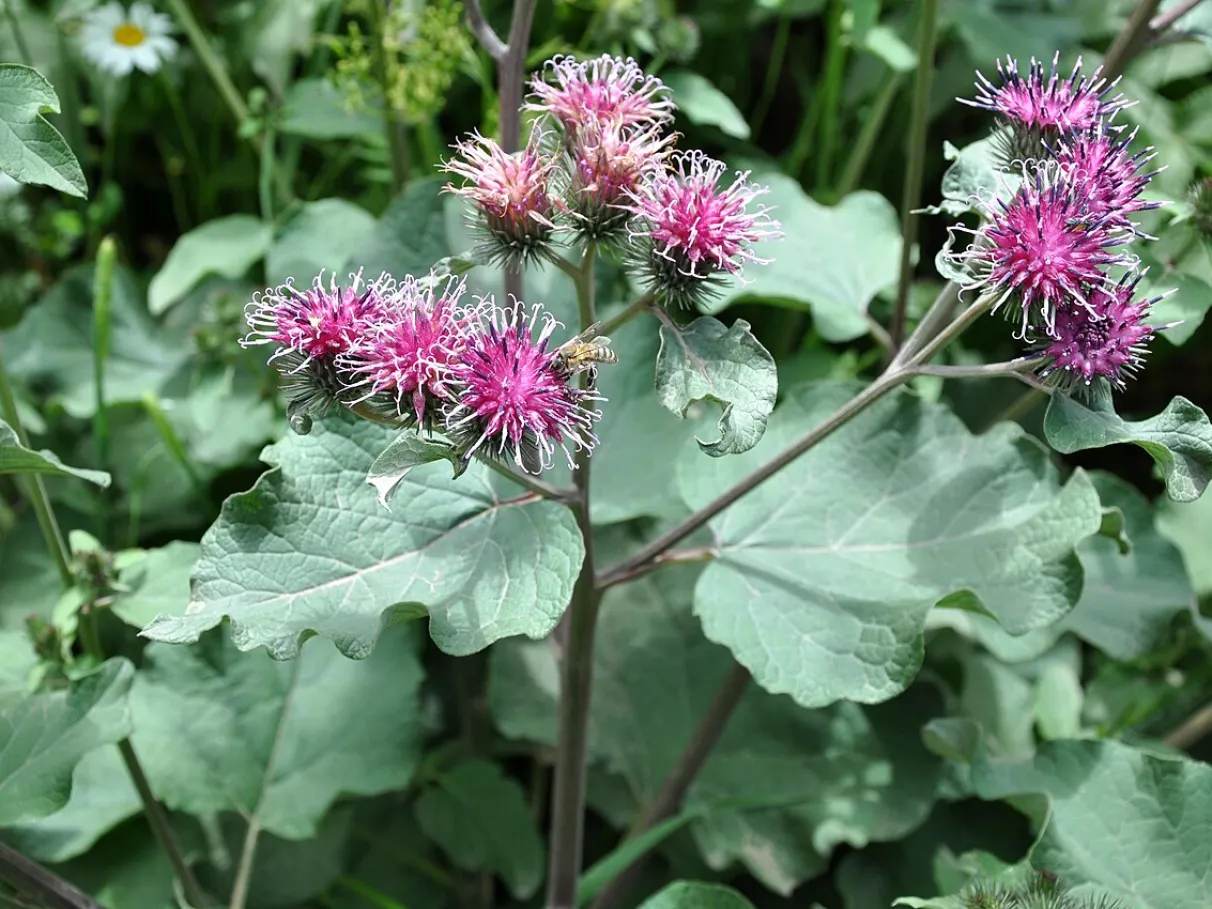
Burdock root tea is traditionally made from the root of Arctium lappa — a plant from the Asteraceae family, widely used in Japan as gobo and enjoyed both as food and tea. In Asian markets, fresh burdock root is common in dishes like kinpira gobo, while herbal shops typically sell the dried, sliced root for infusion. This dual use explains why you’ll see the ingredient labeled as burdock, gobo, bardana, or niúbàng depending on the region.
Before you start, here’s an important safety note: because burdock belongs to the Asteraceae family, it may trigger reactions in people who are sensitive to plants in this group (such as chamomile, chrysanthemum, or mugwort). In addition, medical centers recommend avoiding oral use during pregnancy and warn about occasional contamination of poorly sourced burdock teas with toxic lookalike plants. If you take medication, have seasonal allergies, or plan to drink burdock tea regularly, talk to a healthcare professional first.
⚠️ Disclaimer: This content is for informational purposes only and does not replace professional medical or nutritional guidance.
Why Burdock Root Tea Is Loved Around the World
Burdock tea has a naturally earthy aroma and a subtly sweet flavor, with a richer body when the root is gently simmered (decocted). Lighter preparations resemble roasted root teas such as dandelion root. More concentrated versions pair wonderfully with ginger, citrus peel, or cinnamon.
Sensory Profile (light decoction)
- Aroma: earthy with mild nutty notes
- Flavor: mellow sweet-bitter balance, deepening with longer simmer time
- Color: golden yellow to light amber
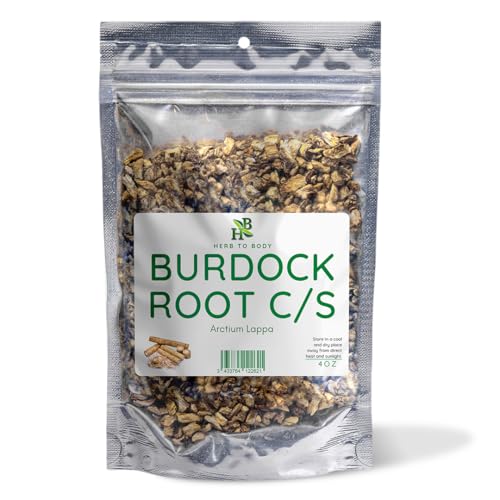
- Wildcrafted Burdock Root from Arctium Lappa: Sourced from wildcrafted Arctium Lappa, our burdock root is carefully cut a…
- Great for Herbal Tea and Infusions: Brew your own soothing cup of burdock root tea using this dried root. Often used in …
- Versatile Ingredient for Culinary Use: In addition to tea, this burdock root can be added to simmering soups, stews, or …
Culinary Benefits & Interesting Facts
✨ A soothing ritual
A warm cup after lunch can promote a pleasant pause in the day without caffeine.
✨ A versatile food ingredient
Beyond tea, burdock root is a staple in Japanese cuisine and shines in stir-fries, soups, broths, and pickles — a delicious way to add texture and fiber to meals.
✨ Natural prebiotic fibers (inulin)
Scientific reviews highlight burdock as a source of inulin-type fructans, which may support gut microbiota when consumed as part of a balanced diet.
For tea, people who are sensitive to fermentable fibers (FODMAPs) may prefer lighter infusions.
Traditional & Popular Uses
Across cultures, burdock appears both in the kitchen and in herbal traditions. In Japan, dishes like kinpira gobo highlight its everyday culinary use. In the West, the dried root became popular as a caffeine-free herbal tea. These traditions help explain its popularity — though they do not replace individualized medical advice.
Nutritional Table (100 g – raw burdock root)
Tea made from the root contains only trace nutrients; the data below refers to the raw ingredient.
| Component | Amount | % DV* |
|---|---|---|
| Energy | 72 kcal | 3.6% |
| Carbohydrates | 17.4 g | 5.8% |
| Sugars | 3.4 g | — |
| Fiber | 3.3 g | 13% |
| Protein | 1.5 g | 2% |
| Total Fat | 0.2 g | 0% |
| Sodium | 5 mg | 0% |
| Potassium | 308 mg | 9% |
| Calcium | 41 mg | 4% |
| Iron | 0.80 mg | 6% |
| Magnesium | 38 mg | 15% |
| Phosphorus | 51 mg | 7% |
| Vitamin C | 3.0 mg | 7% |
| Zinc | 0.33 mg | 5% |
*Percent Daily Values based on a 2,000-calorie diet.
Note: The tea has almost zero calories and nutrients — very similar to other herbal teas.
How to Make Burdock Root Tea (Proper Method)
Yields: 2 cups
Time: 12–15 minutes
Ingredients
- 1 tablespoon (≈ 3–4 g) dried, sliced burdock root
- 500 ml water
- Optional: a slice of ginger, lemon peel, or a cinnamon stick
Instructions
- Heat the water until it begins to boil.
- Add the burdock root, reduce heat, and simmer gently for 10–12 minutes.
- Turn off the heat, cover, and steep for 3 additional minutes.
- Strain and serve warm.
- Adjust the flavor with lemon, ginger, or cinnamon if desired.
➡️ Want to master infusion vs. decoction?
Read: How to Prepare Natural Teas

- REDEFINE YOUR BREWING PROCESS- Made from premium grade borosilicate high heat resistant glass, our glass teapot is 100% …
- SAFE & EASY TO USE: The Hiware Glass Teapot with Mesh Infuser boasts a minimal design and in a breeze to use. It can be …
- FANTASTIC CHOICE- Our teapot comes in an elegant shape and assures the best quality, making it an ideal gift choice, no …
Flavor Variations
- Toasted Gobo Style: lightly toast the dried root in a skillet before decoction for a nuttier flavor.
- Digestive Blend: burdock + ginger + orange peel.
- Iced Herbal Burdock: prepare the decoction, chill, add lemon, and serve with ice.
Culinary & Cosmetic Uses (When Appropriate)
In the kitchen
Fresh burdock root (gobo) adds crunch and earthiness to stir-fries, miso soups, rice bowls, and pickles.
Cosmetic use (topical)
Some skincare products include burdock extract. Reports are limited and not conclusive; always use commercial topical products, not homemade extracts, and patch-test first.
Growing & Storing Burdock
Cultivation tips
- Biennial plant; roots are best harvested at 90–120 days.
- Prefers deep, loose, well-drained soil.
- Keep soil slightly moist and harvest before the root becomes too fibrous.
Storage
- Fresh root keeps 20–35 days at 0°C with high humidity.
- For tea, store dried slices in a sealed jar away from light and heat.
Safety, Contraindications & Important Notes
⚠️ Allergies
People allergic to Asteraceae (chamomile, chrysanthemum, ragweed, mugwort) may react to burdock.
⚠️ Pregnancy & breastfeeding
Avoid oral use — safety data is limited.
⚠️ Quality matters
There have been reports of adulteration with toxic plants like Atropa belladonna.
Always buy from reputable suppliers.
⚠️ Blood sugar caution
Preliminary studies suggest burdock may lower blood glucose.
If you take diabetes medication, consult a healthcare professional.
⚠️ Digestive sensitivity (FODMAPs)
Because burdock contains inulin, some individuals may prefer very light preparations.
⚠️ Disclaimer: This content does not replace professional medical guidance.
FAQ — Frequently Asked Questions
1) Does burdock root tea contain caffeine?
No. It’s naturally caffeine-free.
2) Can I use the leaves or seeds instead of the root?
The root is the traditional and safest part used for tea.
3) What’s the difference between burdock and gobo?
They’re the same plant — “gobo” is the Japanese name for burdock root.
4) Can pregnant women drink burdock tea?
Avoid it unless guided by a professional.
5) How should I store dried burdock root?
In an airtight container, away from light, heat, and humidity.

- Handy Kitchen Tool – Enjoy the rich flavors of fresh ground spices, paste, or herbs with our grinder mortar pestle set. …
- Crafted to Last – Made of solid marble stone, our molcajete bowl won’t easily break or crack even with frequent use. The…
- Beautiful Pill Crusher Set – The stone mortar and pestle are all white with gray accents and a smooth outer finish. This…
Explore More Herbal Guides (Keep Reading!)
🌿 How to Prepare Natural Teas
🌿 Mugwort Tea: Benefits & Preparation
🌿 Brazilian pepper Tea: Benefits & Preparation
Conclusion
Burdock root tea offers a warm, earthy flavor profile that’s perfect for anyone looking to diversify their caffeine-free herbal routine. Since the root is also widely used as a food, it’s worth exploring both the tea and culinary dishes like stir-fries and pickled gobo. For safe consumption, choose high-quality suppliers, follow proper preparation, and listen to your body.
If you plan to drink burdock tea frequently—or take medication—professional guidance is recommended.
And while you’re here, explore more teas and natural flavors across the Nutritive Blog!
⚠️ Reminder: This content is informational and does not replace professional medical advice.
Prepare your tea the right way
If you plan to use this plant to make tea, use the Nutritive Blog tea infusion timer. Proper infusion time helps preserve active compounds and ensures better results.
Author Box
Article written by Alexandre Zorek, graduate in Business Administration with postgraduate studies in Botany. Passionate about orchids, photography, and natural nutrition, and father to Bianca and Beatriz, he shares reliable, accessible knowledge about plants, fruits, teas, and vegetables.