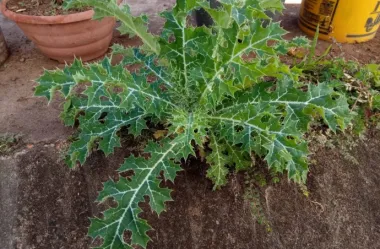
Blessed thistle tea — also known as holy thistle, St. Benedict’s thistle, or simply blessed thistle — is an aromatic, bitter infusion made from the aerial parts of Cnicus benedictus (family Asteraceae). The drink is classically “bitter and tonic,” naturally caffeine-free, and often associated with traditional European herbalism. In European monographs, Cnici benedicti herba appears as a comminuted herbal tea with traditional indications for temporary loss of appetite and mild dyspepsia — always with clear dosage limits and safety warnings.
Despite its long history, home use should be cautious and informed. Blessed thistle belongs to the Asteraceae family and may trigger reactions in people allergic to related plants (like ragweed, chamomile, or daisies). Official sources also do not recommend it for pregnant or breastfeeding women or for anyone under 18, and higher doses can irritate the stomach. The goal of this guide is to frame blessed thistle tea as a light, bitter culinary infusion, used occasionally and with respect for official guidelines.
⚠️ Disclaimer: This content is for informational purposes only and does not replace professional medical or nutritional advice.

Why Blessed Thistle Tea Appeals
Blessed thistle tea is appreciated by people who enjoy classic bitters. It has a pronounced bitter taste, resinous–herbal aroma, and a warm golden color. With short steeping times, the cup stays light and gently tonic; longer infusion pulls out a stronger bitter punch and more intense herbal notes.
Sensory Profile (Light Infusion)
- Aroma: herbal, slightly resinous, “green”
- Flavor: distinctly bitter and tonic, without heavy astringency when brewed lightly
- Pairs well with: lemon or orange peel, ginger, and cinnamon
Culinary Benefits and Interesting Notes
- Bitter ritual before meals:
A small, light cup can help create a mindful pause before eating — a common role for traditional bitters, focused more on ritual and sensory experience than on medical claims. - Base for bitter blends and syrups:
Light blessed thistle tea can serve as the bitter backbone of craft sodas, mocktails, and glazes for roasted fruit, where the bitterness balances sweetness and citrus. - Chemistry that explains the taste:
The strong bitterness is linked to sesquiterpene lactones such as cnicin, a characteristic compound of Cnicus benedictus often mentioned in phytochemical research.
Traditional and Popular Uses
European monographs describe the traditional use of blessed thistle as an herbal tea made from comminuted herb, with indications for temporary loss of appetite and mild digestive discomfort. These references do not replace medical care, diagnosis, or treatment.
For everyday home use, it’s more appropriate to think of blessed thistle as a culinary bitter herb: an occasional tonic-style tea that can be part of a broader routine of aromatic herbal infusions and blends, not something to drink in large amounts or long term without guidance.
- THE LAST TEA SET YOU WILL EVER NEED. The Classica Teapot was designed to be extremely functional and versatile for years…
- DELIGHT YOUR SENSES WITH CLASSIC DESIGN. The Classica’s simple, clean lines and perfect proportions delight the eye and …
- ENJOY EXCEPTIONAL DURABILITY AND QUALITY. Discerning tea lovers know the benefits of heat-resistant borosilicate glass. …
Nutritional Profile — Brewed Herbal Infusion (100 g)
Like most unsweetened herbal teas, blessed thistle tea is almost entirely water. To understand its nutritional “order of magnitude,” it’s useful to look at reference data for generic herbal tea (such as chamomile) per 100 g:
| Component (100 g – brewed tea) | Amount | %DV* |
|---|---|---|
| Calories | ≈ 0.3–1 kcal | 0% |
| Carbohydrates | ≈ 0.1–0.2 g | 0% |
| Protein | 0.0 g | 0% |
| Total Fat | 0.0 g | 0% |
| Sodium | ≈ 1 mg | 0% |
| Potassium | ≈ 6–9 mg | 0% |
| Calcium | ≈ 2 mg | 0% |
| Iron | ≈ 0.07–0.08 mg | 0% |
*Estimated %DV for adults on a 2,000-calorie diet.
Because only 0.5–2 g of herb is used per cup and most macronutrients do not migrate into the water, the nutritional contribution of blessed thistle tea is very low. It is best viewed as a sensory drink, not a source of nutrients.
How to Make Blessed Thistle Tea (Light and Safer)
Yields: 2 cups
Total Time: 6–9 minutes
Ingredients
- 2 to 3 level teaspoons of dried aerial parts of Cnicus benedictus
(about 2–3 g total, from a labeled, food-grade product) - 500 ml water (about 2 cups)
- Optional: strips of lemon or orange peel (without the white pith), thin slice of ginger
Step-by-Step (Light Infusion)
- Heat the water until it just begins to boil.
- Remove from heat, add the blessed thistle, cover, and steep for 5–7 minutes.
- Strain and serve. Adjust steeping time to your bitterness tolerance (longer time = more bitter).
Official reference note: European herbal monographs list a traditional adult dose of 1.5–3 g of comminuted herb in 150 ml water, up to three times daily, for specific digestive indications. For home, culinary use, it’s safer to stick to lighter, occasional infusions like the recipe above. Doses above 5 g per cup may cause stomach irritation and even vomiting in some people.
If you’d like a refresher on infusion versus decoction and how to adjust ratios for different herbs, see your general guide: How to Prepare Natural Teas.
Flavorful Variations
- Citrus-Iced Bitter:
Brew lightly, chill, add lemon juice and ice for a bitter–citrus summer drink. - Spiced Herbal Bitter:
Blessed thistle + ginger + a short steep with a cinnamon stick for warmth. - Bitter Syrup:
Simmer 1 part blessed thistle tea with 1 part sugar until slightly syrupy. Use in small amounts for craft sodas or to brush over roasted pears or apples.
Culinary and Topical Uses (With Caution)
In the kitchen
- Use blessed thistle tea as a bitter base for mocktails.
- Swap part of the cooking liquid for a very light blessed thistle infusion when making grains or fruit compotes, to add a subtle bitter edge.
- Always strain well and keep bitterness in check — this is a strong-tasting herb.
Topical/“cosmetic” experiments
Some traditional practices mention external preparations with bitter herbs, including blessed thistle. If you ever explore topical uses at home:
- test on a small area of skin first,
- avoid eyes and mucous membranes,
- stop immediately if irritation occurs,
- and remember that safety in pregnancy and breastfeeding is not established for these uses either.
- Large Capacity: The Mortar dimension: 3.54 H x 7.87 W x 7.87 D inches, about 3-4 cups of large capacity. and the pestle:…
- DIY Sauce Grinding Tool: An essential sauce grinding tool for every home, use granite mortar and pestle to grind, crush,…
- Excellent Material: The mortar and pestle set is made of 100% natural granite, the texture is hard and safe to use.
Storage and Growing Blessed Thistle
- Dried herb storage:
Keep in an airtight container away from light, heat, and humidity. Discard if you notice mold, off smells, or discoloration. - Home growing (general idea):
Blessed thistle is an annual that prefers full sun and well-drained soil. The aerial parts are harvested during flowering and dried in a shaded, ventilated area. - Correct identification:
Because it’s part of the Asteraceae family, make sure the product label clearly states Cnicus benedictus to avoid confusion with other “thistles.”
Precautions, Contraindications, and Safety
- Asteraceae allergies:
If you’re allergic to ragweed, chamomile, daisies, or similar plants, you may also react to blessed thistle. Any sign of itching, rash, or breathing difficulty requires stopping use and seeking medical help. - Pregnancy and breastfeeding:
Not recommended. Safety has not been established, and European monographs advise against use. Even though blessed thistle sometimes appears in popular “galactagogue” blends, clinical evidence that it increases milk supply is lacking, and safety concerns remain. - Children and teens:
Not recommended for those under 18 due to insufficient data. - Stomach and gut conditions:
People with gastritis, ulcers, or inflammatory bowel disease should avoid blessed thistle. Higher doses have been associated with gastric irritation and vomiting. - Duration of use:
If you’re using it as a traditional bitter for appetite or mild digestive discomfort and symptoms persist for more than about two weeks, seek professional evaluation rather than continuing on your own.
⚠️ This information does not replace professional medical advice.
FAQ — Blessed Thistle Tea
1) Does blessed thistle tea contain caffeine?
No. It’s a naturally caffeine-free herbal infusion.
2) Can I drink it every day?
Think of blessed thistle as a bitter tonic, not a daily hydration tea like chamomile or mint. Use lightly and occasionally, especially if you have a sensitive stomach.
3) How much should I use per cup?
For a culinary, light cup, about 2–3 g in 500 ml works well. Traditional monographs for adults mention 1.5–3 g in 150 ml, up to three times a day, but this is a medicinal framework, not a suggestion for self-treatment. Avoid using more than 5 g per cup.
4) Is it safe for breastfeeding to boost milk?
There is no solid clinical evidence that blessed thistle increases milk supply, and major reference sources do not recommend its oral use during breastfeeding. Always talk with your healthcare provider.
5) What if I’m allergic to “daisy family” plants?
Blessed thistle is part of the same family (Asteraceae). If you react to ragweed, chamomile, or daisies, it’s safer to avoid blessed thistle.
6) Can I cook with it?
Yes — in very small amounts and mostly as a background bitter. For example, in syrups, glazes, or as a small part of the cooking liquid for grains. Taste as you go so the bitterness doesn’t overpower the dish.
Keep Readers Exploring — Suggested Teas to Try Next
To keep your audience engaged and clicking through the Nutritive Blog, here are three varied internal suggestions that pair well with this topic:
- Corn Silk Tea: a gentle, grain-scented infusion often used in traditional contexts for urinary comfort.
- Calendula Tea: floral and golden, appreciated for both culinary and mild topical uses.
- Cinnamon Tea: warm, spicy, and perfect for those who enjoy aromatic, caffeine-free blends.
These links help readers stay on the site, discover related herbs, and build a broader tea repertoire.
Conclusion
Blessed thistle tea brings a classic bitter, herbal profile to your cup — ideal for those who enjoy traditional tonics and want to experiment with new, caffeine-free flavors. When used occasionally and in light preparations, it can enrich pre-meal rituals or serve as a base for creative bitter syrups and blends.
To enjoy it safely, keep infusions mild, respect official cautions (especially for allergy to Asteraceae, pregnancy, breastfeeding, younger than 18, and sensitive stomachs), and always choose properly labeled products.
Curious about other flavors and techniques? Keep exploring the herbal tea guides on the Nutritive Blog and build your personal library of comforting, aromatic drinks.
⚠️ This content is for informational purposes only and does not replace professional medical or nutritional advice.
Prepare your tea the right way
If you plan to use this plant to make tea, use the Nutritive Blog tea infusion timer. Proper infusion time helps preserve active compounds and ensures better results.
About the Author

Alexandre Zorek holds a degree in Business Administration and a postgraduate specialization in Botany. Passionate about orchids, photography, and natural foods — and father to Bianca and Beatriz — he shares clear, trustworthy knowledge about plants, fruits, teas, and vegetables in a practical and accessible way.