Basil tea (Ocimum basilicum, also known as alfavaca in Brazil) is a flavorful and aromatic infusion deeply rooted in the food culture of many Brazilian regions.
Widely used in cooking and popular traditions, this plant is also called “broad-leaf basil,” “alfavacão,” or “large basil” depending on the region.
This diversity of names shows how basil has become part of everyday life — from home gardens to markets and family kitchens across Brazil.
Beyond culinary uses, basil also shines as a traditional beverage, valued for its aroma, cultural meaning, and comforting flavor.
🌿 Nutritional Table – Fresh Basil (100 g)
| Component | Amount (per 100 g) | %DV* |
|---|---|---|
| Energy | 23 kcal | 1% |
| Carbohydrates | 2.7 g | 1% |
| Proteins | 3.2 g | 6% |
| Lipids | 0.6 g | 1% |
| Fiber | 1.6 g | 6% |
| Calcium | 177 mg | 18% |
| Iron | 3.2 mg | 23% |
| Magnesium | 64 mg | 15% |
| Potassium | 295 mg | 8% |
| Vitamin C | 18 mg | 40% |
| Vitamin A | 264 mcg | 44% |
*Daily values based on a 2,000 kcal diet.
Source: USDA FoodData Central.
🍵 Benefits and Culinary Curiosities
Basil tea celebrates both the flavor and the aroma of this remarkable herb.
Its consumption is part of family traditions and well-being practices that have stood the test of time.
🌱 Wellness Benefits
- A light, aromatic drink perfect for enjoying warm.
- Contains bioactive compounds, antioxidants, and small amounts of essential minerals.
- Can replace sugary drinks as part of a hydrating and balanced routine.
- Provides a comforting aroma and warmth for relaxing moments.
🍽️ Culinary Curiosities
- Basil and alfavaca are close relatives — both from the Ocimum genus.
- Fresh leaves are widely used in soups, sauces, and stews.
- In tea, the flavor is intense and slightly spicy, with distinct herbal notes.
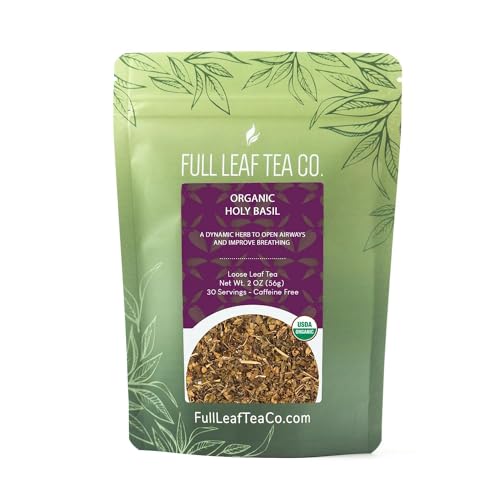
- Unique Flavor Profile: Experience the slightly sweet and spicy taste with clove undertones, providing a unique and enjoy…
- Ideal for Relaxation: Perfect for moments of meditation and relaxation, helping to create a tranquil atmosphere.
- Caffeine-Free: Enjoy this tea any time of day without the worry of caffeine.
🏺 Traditional and Popular Uses
Basil tea holds a special place in Brazilian folk culture, especially in rural areas where the herb is found in almost every garden.
In popular tradition:
- The tea is prepared during family gatherings or cool evenings.
- It’s often mentioned in homemade recipes passed down from grandparents.
- The plant also appears in Afro-Brazilian religious rituals, valued for its symbolic meaning.
⚠️ These practices have cultural and historical value, not medical purpose.
☕ Simple Basil Tea Recipe
Ingredients:
- 10 fresh basil leaves (or 1 tablespoon of dried leaves)
- 250 ml (1 cup) of filtered water
- Honey or lemon (optional)
Preparation:
- Bring the water to a boil in a small pot.
- Add the basil leaves.
- Turn off the heat and cover, letting it steep for 8–10 minutes.
- Strain before drinking.
- Serve plain or with honey/lemon to soften the flavor.
📌 Tip: Use fresh leaves for a stronger, more natural aroma.

- This teapot is completely hand crafted, made from heat resistant borosilicate glass, specially designed with non drippin…
- Removable high-grade 18/10 stainless steel mesh infuser filter for loose teas or blooming teas, the lid fits the tea bas…
- This beautiful teapot can be placed directly in the microwave oven or on either gas or electric stove tops, use a medium…
🌸 Culinary and Cosmetic Uses
🍽️ Culinary Use
- Beyond tea, basil can be used in sauces, marinades, and stews.
- Combines beautifully with tomatoes, cheese, and olive oil.
- Great addition to green juices or infused water for a touch of herbal freshness.
💧 Cosmetic Use (with Caution)
In popular tradition, basil leaves have also been used in aromatic baths or homemade body lotions.
⚠️ However, there is no scientific evidence confirming these benefits.
Always test on a small area of skin first and discontinue use if irritation occurs.
🌱 Storage and Cultivation
Storage
- Keep fresh leaves clean and dry, wrapped in paper towel inside a closed container in the refrigerator.
- You can also freeze the leaves to preserve aroma and flavor for longer.
Cultivation
- Basil grows well in pots or garden beds, preferring direct sunlight and regular watering.
- Thrives in well-drained, nutrient-rich soil.
- You can harvest continuously, picking the most mature leaves first.
❓ Frequently Asked Questions (FAQ)
1. Is basil tea the same as regular basil (sweet basil) tea?
They’re related, but alfavaca has broader leaves and a stronger taste.
2. What does basil tea taste like?
It’s herbal, slightly spicy, and intensely aromatic.
3. Can I use dried basil leaves?
Yes, though the flavor will be milder than with fresh leaves.
4. Can I drink basil tea every day?
It’s a light infusion, but it’s best to vary herbal teas throughout the week.
5. Does basil tea help with weight loss?
There’s no scientific evidence for that. It can, however, be part of a healthy lifestyle.
6. Can children drink basil tea?
Consult a healthcare professional before serving it to young children.
7. Can basil tea be served cold?
Yes — it’s delicious as a refreshing cold drink.
8. Are there any contraindications?
People allergic to basil should avoid it. Pregnant and breastfeeding women should seek professional advice.
9. What’s the difference between alfavaca and basil?
Alfavaca has broader leaves and a stronger flavor, while sweet basil has a sweeter, softer aroma.
10. Can I grow basil at home?
Yes! It thrives in sunny spaces with regular watering and is easy to care for.
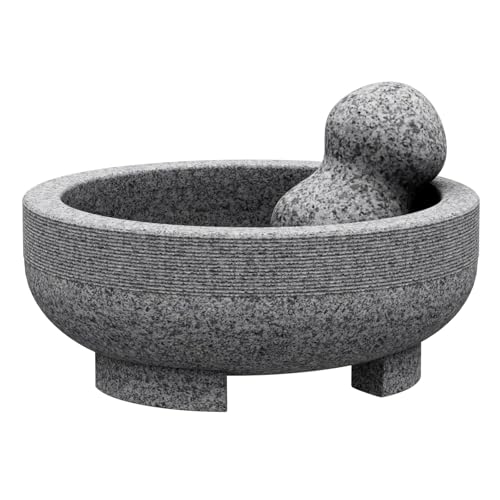
- Large Capacity: The Mortar dimension: 3.54 H x 7.87 W x 7.87 D inches, about 3-4 cups of large capacity. and the pestle:…
- DIY Sauce Grinding Tool: An essential sauce grinding tool for every home, use granite mortar and pestle to grind, crush,…
- Excellent Material: The mortar and pestle set is made of 100% natural granite, the texture is hard and safe to use.
✅ Conclusion
Basil tea is an aromatic and traditional beverage that beautifully connects flavor, culture, and well-being.
Its simple preparation highlights the versatility of this herb — a true symbol of warmth and family tradition in Brazilian cuisine.
👉 Keep exploring Nutritive Blog and learn more about other classic herbal teas and greens:
⚖️ Disclaimer: This content is for informational purposes only and does not replace professional medical or nutritional advice.
📖 Trusted Source: Brazilian Ministry of Health – Herbs and Vegetables in Nutrition.
Prepare your tea the right way
If you plan to use this plant to make tea, use the Nutritive Blog tea infusion timer. Proper infusion time helps preserve active compounds and ensures better results.
📌 Author Box
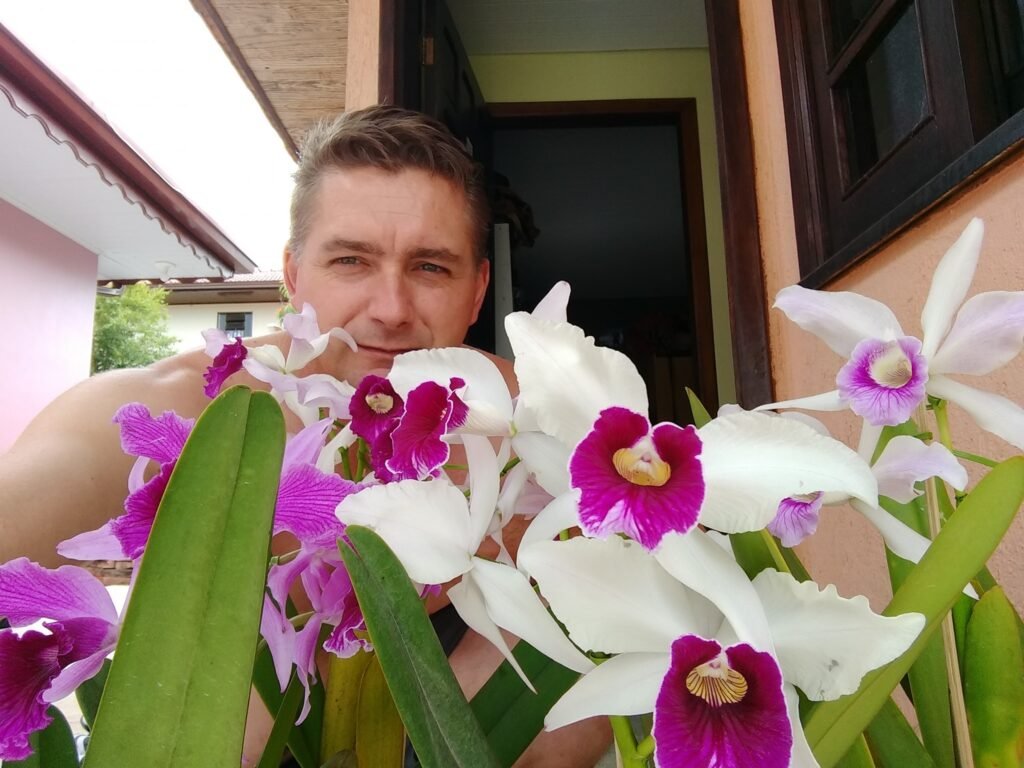
Article written by Alexandre Zorek, graduate in Business Administration with a postgraduate degree in Botany.
A passionate lover of orchids, photography, and natural food — and father of Bianca and Beatriz — he shares trustworthy knowledge about plants, fruits, teas, and vegetables in a clear and practical way.