
Apricot (Prunus armeniaca) is a fruit widely appreciated for its naturally sweet flavor and nutritional value. While it is most commonly consumed fresh or dried, fewer people are aware that apricot leaves can also be used to prepare a mild herbal tea with interesting wellness properties.
In this article, you’ll learn about the benefits of apricot leaf tea, how to prepare it properly, important safety considerations, and how to incorporate it into a natural health routine.
⚠️ This content is for educational purposes only and does not replace medical advice.
What Is Apricot Leaf Tea?
Apricot leaf tea is prepared from the dried leaves of the apricot tree. When infused, the leaves produce a light, refreshing herbal tea with subtle vegetal notes and naturally occurring bioactive compounds.
Unlike fresh or dried apricots—which are higher in natural sugars—apricot leaf tea is low in calories and focuses more on antioxidant compounds, minerals, and plant-based nutrients extracted into the water during infusion.
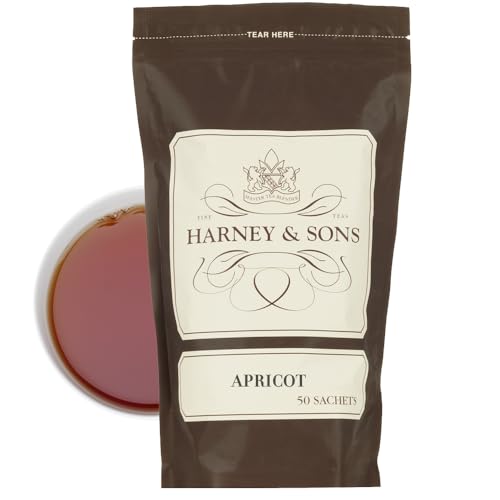
- Apricot is an elegant black tea enhanced by the warm, almost nutty flavor of apricot.
- It’s become a customer favorite and is delicious served hot or iced.
- Apricot is made of the dark brown leaves of China black tea, with natural flavors added to create this special tea.
10 Benefits of Apricot Leaf Tea
1. Supports Digestion
Apricot leaves contain compounds that may help support digestive function. Drinking the tea after meals can assist with bloating, mild indigestion, and intestinal discomfort.
2. Antioxidant Action
Rich in vitamin C and flavonoids, apricot leaf tea helps combat oxidative stress caused by free radicals, which are associated with premature aging and chronic disease development.
3. Supports Cardiovascular Health
The antioxidants in apricot leaf tea may help protect heart cells and improve circulation. The presence of potassium also contributes to healthy blood pressure regulation.
4. Strengthens the Immune System
Thanks to its vitamin C content, apricot leaf tea can support immune defenses, helping the body respond more efficiently to seasonal illnesses.
5. May Assist With Healthy Weight Management
Apricot leaf tea has mild diuretic properties, helping reduce water retention and bloating. Combined with improved digestion, this can support weight management efforts when paired with a balanced diet.
6. Mild Anti-Inflammatory Properties
Its plant compounds may help reduce low-grade inflammation, offering gentle support for joint discomfort, muscle soreness, and digestive irritation.
7. Helps Regulate Cholesterol Levels
The antioxidants and trace fibers present in apricot leaves may contribute to lowering LDL (“bad”) cholesterol while supporting HDL (“good”) cholesterol balance.
8. Promotes Skin Health
Vitamin A and antioxidant compounds in apricot leaf tea support skin renewal, helping maintain healthy skin and potentially easing acne or eczema symptoms.
9. Supports Blood Sugar Balance
Apricot leaf tea may help regulate blood glucose levels, making it of interest to individuals managing insulin sensitivity or type 2 diabetes (with professional guidance).
10. Encourages Relaxation
Thanks to its gentle antioxidant profile and absence of caffeine, apricot leaf tea can promote relaxation and overall well-being, especially when consumed in the evening.

- ☕Humanized design:The 1200ml teapot has a large capacity and a water level scale is added on the surface. The teapot spo…
- ☕Multiple functions: The teapot is suitable for making a variety of different drinks, tea, coffee, herbs, etc. The teapo…
- ☕Safe teapot: It is composed of lead-free high borosilicate glass, using food-grade 304 stainless steel filter screen, w…
How to Prepare Apricot Leaf Tea
Preparing apricot leaf tea correctly ensures the best flavor and extraction of beneficial compounds.
Ingredients
- 1 tablespoon dried apricot leaves
- 2 cups (500 ml) filtered water
Instructions
- Bring the water to a gentle boil.
- Turn off the heat as soon as boiling begins.
- Add the dried apricot leaves.
- Cover and steep for 5–10 minutes.
- Strain and serve warm or chilled.
To learn the ideal temperatures, infusion times, and preparation methods, read:
How to Prepare Herbal Teas Properly
Tips to Enhance Apricot Leaf Tea
- Flavor variations: Add ginger, cinnamon, or mint for extra taste and functional benefits.
- Iced tea: Chill the prepared tea and serve over ice during warm weather for a refreshing beverage.
Contraindications and Important Precautions
Although generally well tolerated, apricot leaf tea should be consumed with care:
- Pregnant or breastfeeding women: Consult a healthcare professional before use.
- Allergies: Individuals allergic to plants in the Rosaceae family (such as apples, peaches, or almonds) should avoid apricot leaf tea.
- Moderation: Limit intake to 1–2 cups per day.
Where to Find Apricot Leaves
You can source dried apricot leaves from:
- Natural food and herbal stores
- Specialized herb shops
- Compounding pharmacies
Apricot trees can also be grown at home in suitable climates, allowing for careful leaf harvesting.

- Fine Mesh : Fri4free tea strainers for loose tea use reliable fine mesh that makes the mesh holes distributed evenly and…
- Easy to use: With our threaded lid design, tea infuser for loose tea are easy to open and close by simply screwing. Also…
- Premium Materials: The loose leaf tea infuser is made of 304 food-grade stainless steel, which is safe to use, and resil…
Conclusion: A Simple Herbal Tea With Valuable Benefits
Apricot leaf tea is a gentle, enjoyable way to explore the medicinal potential of this well-known fruit tree. With antioxidant, digestive, anti-inflammatory, and relaxing properties, it can be a useful addition to a natural wellness routine when consumed responsibly.
If you’d like to continue learning about herbal teas and medicinal plants, be sure to explore these related articles:
- Chamomile Tea: A Natural Calming Remedy
- Mulberry Leaf Tea: Powerful Benefits for Women’s Health
- Dandelion Tea: Benefits and Proper Preparation
Prepare your tea the right way
If you plan to use this plant to make tea, use the Nutritive Blog tea infusion timer. Proper infusion time helps preserve active compounds and ensures better results.
Author Box

Written by Alexandre Zorek
Administrator with postgraduate studies in Botany. Passionate about medicinal plants, natural nutrition, orchids, and photography. Father of Bianca and Beatriz. Alexandre shares reliable, practical knowledge about herbs, teas, fruits, and vegetables in an accessible and educational way.