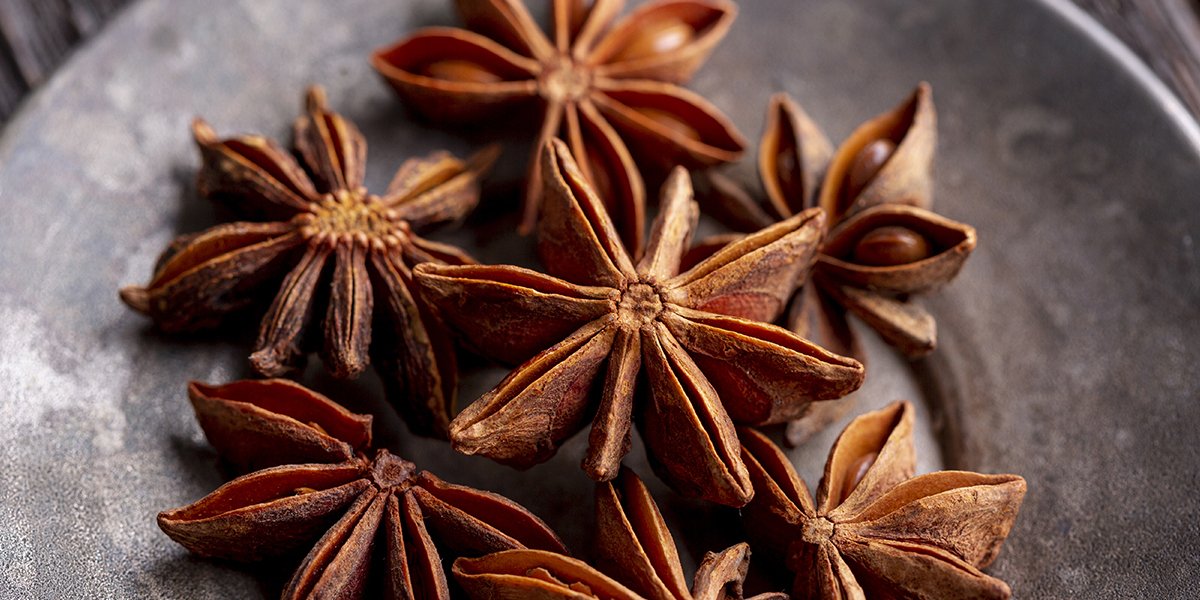
Anise tea is a fragrant infusion made from the aromatic parts of two plants that share the same name — green anise (Pimpinella anisum, seeds) and star anise (Illicium verum, star-shaped fruit).
In international labels, you’ll see “anise” for Pimpinella anisum and “star anise” for Illicium verum. The tea has a sweet-spicy aroma with hints of licorice — a comforting and naturally aromatic drink that can be enjoyed hot, iced, or blended with citrus and spices.
In the United States and Europe, green anise is common in baking, breads, and cookies, while star anise is popular in compotes, syrups, and Asian-style teas. Both can be used for infusions: seeds release fragrance quickly, while stars offer a deeper, richer aroma and beautiful presentation.
This guide covers the benefits, traditional and culinary uses, practical recipe, safety information, conservation tips, and a nutritional table for the seeds — plus an FAQ at the end.
⚠️ Disclaimer: This content is for informational purposes only and does not replace professional medical or nutritional advice.
🌿 Why Anise Tea Is So Appreciated
Anise tea captivates with its sweet and spicy scent. The infusion pairs wonderfully with lemon, orange, cinnamon, or ginger, and can be served hot for comfort or iced for a refreshing twist. In cooking, it also works beautifully in dessert syrups and nonalcoholic beverages.
Sensory profile
- Aroma: sweet and spicy, reminiscent of licorice.
- Flavor: mild sweetness with gentle spice.
- Color: golden-yellow to amber, depending on steeping time and concentration.
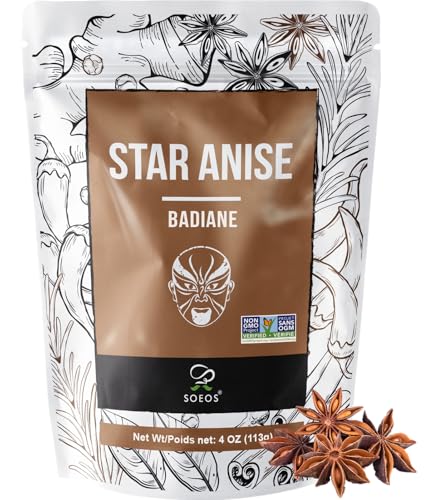
- Anise seed is a lovely spice that can add a wonderful aroma and flavor to your cooking
- Anise seed can be used in whole or ground form to add an aromatic licorice flavor to recipes
- Star anise is commonly used in its whole form to flavor teas, marinades, soups, broths, and other liquids
🍵 Benefits and Culinary Curiosities
Without making medical claims, anise tea is a pleasant daily ritual that enhances hydration, inspires relaxation, and adds flavor variety to your culinary creations.
🌸 Versatility in the cup: anise + lemon for freshness; anise + cinnamon or clove for warmth; anise + ginger for a balanced kick.
🌸 Recipe base: excellent for syrups, jellies, compotes, and flavored milks.
🌸 Aromatic power: both seeds and stars release intense fragrance in small amounts — ideal for moderate use.
🌍 Traditional and Cultural Uses
Anise has a long history in Mediterranean, Middle Eastern, and Asian cuisines — used in breads, liqueurs, and herbal infusions.
Star anise features prominently in Chinese and Vietnamese cooking (broths, five-spice blends), while green anise is traditional in European teas and pastries.
In home use, the infusion often includes citrus or warming spices — cultural and sensory traditions, not medical treatments.
📊 Nutritional Table — Green Anise Seeds (100 g Dry Weight)
The table below refers to the raw ingredient (anise seeds), not the brewed tea.
Infusions contain only trace nutrients since the compounds are highly diluted in water.
Source: USDA FoodData Central (compiled by MyFoodData).
| Component | Amount | %DV* |
|---|---|---|
| Calories | 337 kcal | 17% |
| Carbohydrates | 50.02 g | 17% |
| Protein | 17.6 g | 23% |
| Total Fat | 15.9 g | 29% |
| Dietary Fiber | 14.6 g | 58% |
| Sodium | 16 mg | 1% |
| Potassium | 1,441 mg | 41% |
| Calcium | 646 mg | 65% |
| Iron | 36.96 mg | 264% |
| Magnesium | 170 mg | 65% |
| Vitamin C | 21 mg | 47% |
*Percent Daily Values are based on a 2,000-calorie diet.
📘 Note: Nutrient levels may vary depending on origin and processing. A typical tea uses 2–3 g of seeds (or 1–2 star fruits), meaning the actual nutrient intake per cup is minimal.
About star anise (Illicium verum): its general nutritional profile is similar, but since the typical portion is very small, focus instead on safe sourcing and correct labeling.
🍋 How to Prepare Anise Tea (Practical Recipe)
Yield: 2 cups • Time: 10–12 minutes
Ingredients
Option 1 — Green anise (seeds): 1 teaspoon of lightly crushed seeds
Option 2 — Star anise (fruit): 1–2 whole stars
Plus: 500 ml (2 cups) of water
Optional: lemon slices, cinnamon stick, ginger slice, or molasses/sweetener
Preparation (infusion method):
- Heat the water until it almost boils (no vigorous bubbles).
- Remove from heat, add the anise (seeds or stars), cover, and steep for 7–10 minutes.
- Strain and serve. Add lemon, cinnamon, or molasses to taste.
👉 For the differences between infusion and decoction, proper ratios, and timing, read:
How to Prepare Medicinal Tea Correctly
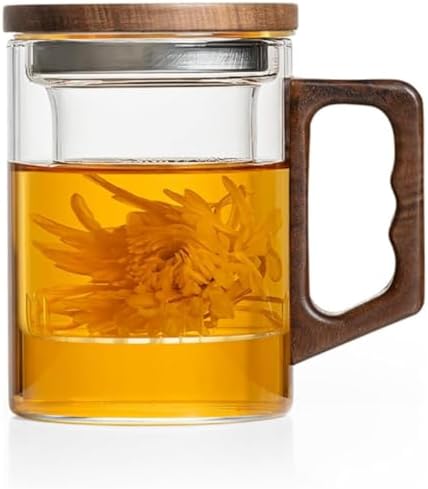
- Easy to clean: The tea cup is made of high-quality borosilicate, heat-resistant, and can be cleaned in a microwave and d…
- Premium material: glass tea cup with infuser and lid is made of high-quality borosilicate glass, BPA-free, and lead-free…
- PRACTICAL SIZE: Comfortable to hold and easy to clean tea cup with lid, ideal for daily tea drinking at home or office T…
🌺 Flavor Variations
- Citrus-refreshing: anise + lemon; serve hot or cold.
- Comforting blend: anise + cinnamon + ginger.
- Light and fruity: anise + orange peel + mint.
🧑🍳 Culinary and Creative Uses
- Anise syrup: simmer water + sugar (or molasses) + anise, strain, and use in mocktails, baked fruits, or iced coffee.
- Flavored milk: warm milk (or plant-based beverage) with anise; strain and use in puddings or hot cereals.
- Fruit sauces: reduce anise tea with apple cider vinegar — perfect for pears or peaches.
- Sweet-savory marinades: combine anise + soy sauce + ginger for tofu or stir-fried veggies.
💆♀️ Cosmetic or Aromatic Use (With Caution)
Some people use cooled anise tea in herbal baths for its pleasant scent.
Always perform a skin patch test, avoid eyes and mucous membranes, and discontinue if irritation occurs.
These are traditional aromatic uses only, not scientifically proven.
🌿 Storage and Home Growing
Storage tips
- Seeds (green anise): keep in a tightly sealed container, away from heat, light, and moisture. Grind only at use time to preserve aroma.
- Stars (star anise): store whole and break before use to release fragrance.
Cultivation basics
- Pimpinella anisum (green anise): annual herb that prefers full sun and well-drained soil. Sow in late winter or early spring. Harvest dry umbels for seeds.
- Illicium verum (star anise): subtropical tree that thrives in warm, humid climates — not suitable for most temperate home gardens. Buy from trusted sources.
⚠️ Safety, Contraindications, and Quality
- Correct identification: edible star anise is Illicium verum. Avoid confusion with Japanese star anise (Illicium anisatum), which is toxic. Past contamination incidents have occurred — always choose reputable brands.
- Allergies: individuals sensitive to Apiaceae plants (same family as fennel or celery) should be cautious.
- Medication interactions: consult a healthcare provider if using anticoagulants or with hormone-related conditions.
- Pregnant, breastfeeding women and children: seek individual guidance.
- In case of adverse reactions: stop use and seek medical advice.
📗 Reference: U.S. National Library of Medicine – Star Anise Safety (PubMed)
❓ Frequently Asked Questions (FAQ)
1) Which anise should I use — seeds or stars?
Both work! Seeds release aroma faster; stars provide deeper flavor and visual appeal.
2) Can I mix anise with other herbs?
Yes — it pairs well with ginger, lemongrass, cinnamon, clove, or mint. Adjust amounts to prevent overpowering.
3) Does anise tea contain caffeine?
No — it’s naturally caffeine-free and very low in calories when unsweetened.
4) Should I boil or just steep?
For a mild flavor, steeping is enough. For a stronger result, simmer briefly (1–2 minutes) and then cover to rest.
5) How much per cup?
Use ½–1 teaspoon of crushed seeds or 1 star per 200–250 ml (1 cup) of water.
6) Can I drink it iced?
Absolutely! Brew, cool, and serve with ice and citrus.
7) Is it naturally sweet?
Yes — it has a sweet-spicy profile reminiscent of licorice. Add molasses or enjoy plain.
8) How can I ensure safety with star anise?
Buy from trusted suppliers, verify the botanical name on the label, and avoid unlabelled bulk products.

- HIC Kitchen Tall Mortar And Pestle Set: Grinds spices, herbs, nuts, seeds, and grains into fine paste or powder; ideal f…
- Durable Solid Carrara Marble: Mortar measures 4 x 4-inches, pestle measures 5 x 1.25-inches; tall bowl design offers add…
- Multiple Culinary Uses: Make curry pastes, pesto, guacamole, salsa, chutneys, nut butters, flavored salts, coffee ground…
🔗 Related Articles
- How to Prepare Medicinal Tea Correctly
- Cotton Plant Tea: Benefits and How to Prepare
- Basil Tea: Benefits and How to Prepare
🌼 Conclusion
Anise tea delights with its naturally sweet-spicy aroma and versatility. It’s perfect for enriching hydration moments and adding depth to recipes — from aromatic syrups and flavored milks to iced teas with citrus.
When prepared with care and sourced from reliable suppliers, anise tea easily earns a place in your daily wellness rituals.
💚 Sweet, fragrant, and comforting — one sip brings warmth and calm.
Prepare your tea the right way
If you plan to use this plant to make tea, use the Nutritive Blog tea infusion timer. Proper infusion time helps preserve active compounds and ensures better results.
✍️ Author Box
Written by Alexandre Zorek, graduate in Business Administration and postgraduate in Botany.
Passionate about orchids, photography, and natural nutrition, and father of Bianca and Beatriz, he shares reliable, practical knowledge about plants, fruits, teas, and vegetables.