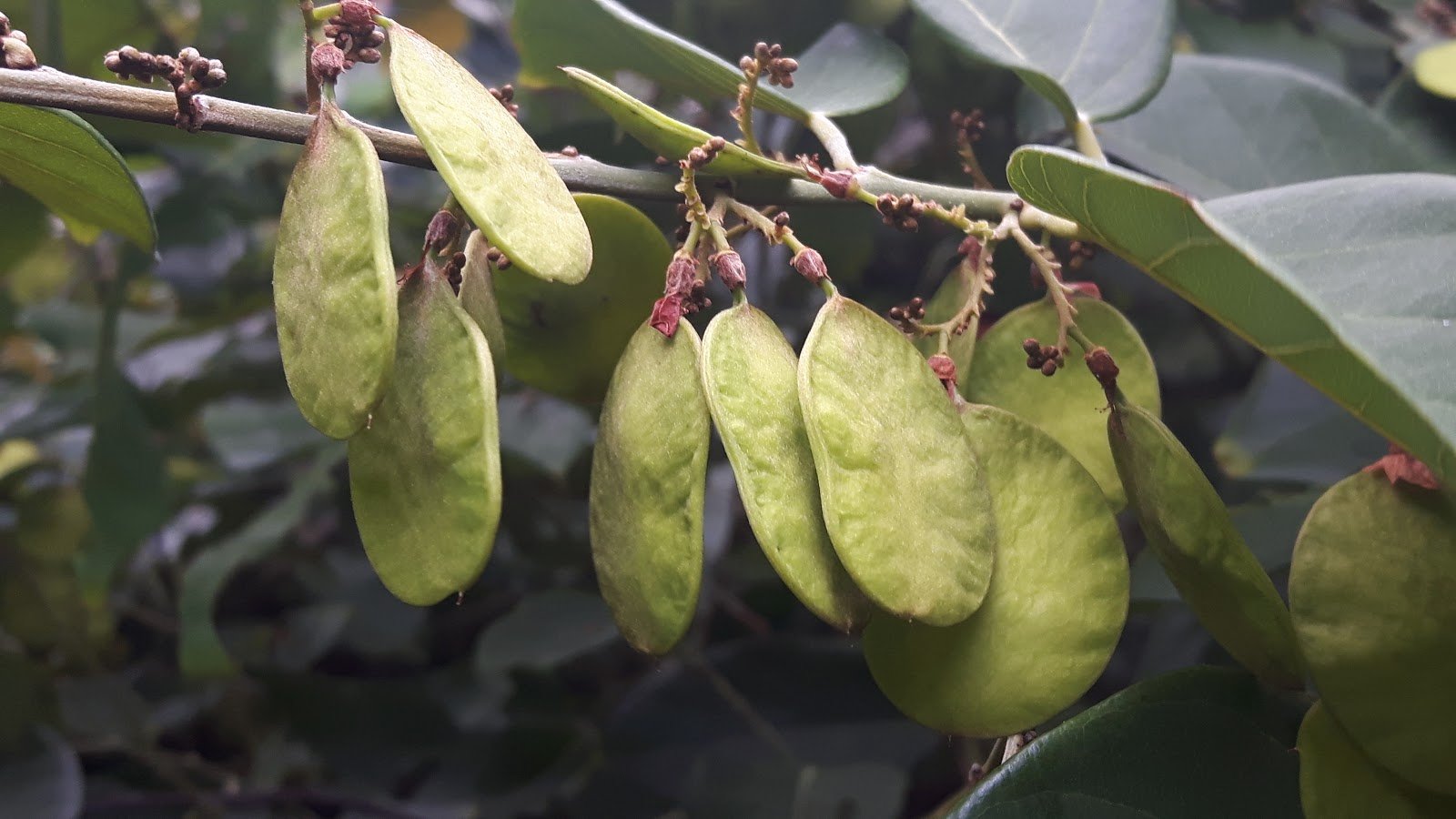
Anamu, scientifically known as Petiveria alliacea, is a medicinal plant native to the Americas and widely used in traditional herbal practices throughout the Caribbean, Central America, South America, and parts of the southern United States. In English, it is commonly called Guinea hen weed, while in traditional communities it is also known as anamu, mucura, or garlic weed due to its strong garlic-like aroma.
For generations, anamu has been valued for its anti-inflammatory, analgesic, diuretic, antimicrobial, and immune-supporting properties. Today, it is gaining renewed interest in herbal medicine as a natural ally for overall wellness.
In this article, you will learn:
- What anamu (guinea hen weed) is
- Its main health benefits
- Traditional and modern uses
- How to prepare anamu tea correctly
- Safety considerations and contraindications
⚠️ Disclaimer: This content is for educational purposes only and does not replace professional medical advice.
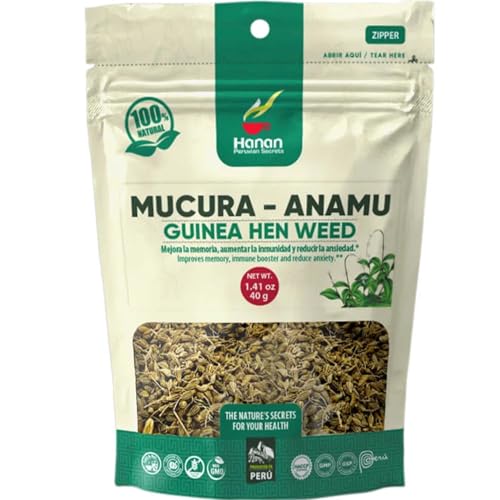
- 100% Pure Mucura (Anamu) from Peru – Sustainably wild-harvested Petiveria alliacea leaves, known as Guinea Hen Weed or A…
- Herbal Tea for Everyday Wellness – A traditional Amazonian herbal infusion used for generations. Naturally caffeine-free…
- Loose Leaf Format for Maximum Potency – Each 1.41oz (40g) pack contains whole-cut dried leaves — no powder or blends. St…
Health Benefits of Anamu (Guinea Hen Weed)
1. Anti-Inflammatory and Pain-Relieving Effects
Anamu has long been used to help relieve muscle pain, joint discomfort, arthritis, and rheumatic conditions. Its bioactive compounds may help reduce inflammation naturally, making it a popular alternative in traditional medicine for chronic aches and soreness.
2. Natural Diuretic Support
Anamu tea is traditionally used to promote urinary elimination of excess fluids and toxins, which may help with:
- Mild fluid retention
- Circulatory discomfort
- Support for kidney and urinary tract function
3. Antimicrobial Properties
Scientific and traditional sources indicate that anamu contains compounds with antibacterial and antifungal activity. It has been used as a supportive remedy for:
- Mild urinary tract infections
- Digestive discomfort linked to microbial imbalance
- General immune defense
4. Digestive Support
Anamu leaf tea is commonly used to:
- Improve digestion
- Reduce gas and bloating
- Ease abdominal cramping
Its warming and aromatic nature supports digestive comfort after meals.
5. Immune System Support
Thanks to its antioxidant and sulfur-containing compounds, anamu may help strengthen the immune system by combating oxidative stress and supporting the body’s natural defense mechanisms.
6. Traditional Use as a Tonic and Aphrodisiac
In various traditional cultures, anamu has been used as a general tonic to combat physical and mental fatigue. Some traditions also consider it a natural aphrodisiac, associated with vitality and stamina.
How to Prepare Anamu Tea
Tea is one of the most common and accessible ways to use anamu safely and effectively.
Ingredients
- 1 tablespoon dried anamu leaves (chopped)
- 1 cup (200 ml) filtered water
Preparation Method (Infusion)
- Bring the water to a boil.
- Remove from heat and add the dried leaves.
- Cover and steep for 10 minutes.
- Strain and drink while warm.
Recommended intake:
Up to 2 cups per day. Do not exceed this amount without professional guidance.
👉 For best results and safety, see:
How to Prepare Herbal Teas Properly

- ☕Humanized design:The 1200ml teapot has a large capacity and a water level scale is added on the surface. The teapot spo…
- ☕Multiple functions: The teapot is suitable for making a variety of different drinks, tea, coffee, herbs, etc. The teapo…
- ☕Safe teapot: It is composed of lead-free high borosilicate glass, using food-grade 304 stainless steel filter screen, w…
Other Traditional Uses of Anamu
In addition to tea, anamu may be used in other traditional preparations:
- Warm compresses: Applied to sore muscles and joints
- Tinctures: Alcohol-based extracts used under professional supervision
- Capsules: Available in natural health stores for controlled dosing
Each form has different potency levels and should be used responsibly.
Safety Considerations and Contraindications
Despite its benefits, anamu is a potent medicinal plant and should be used with caution.
Avoid use if you are:
- Pregnant or breastfeeding
- A young child
- Living with serious kidney conditions
Use caution if you:
- Take diuretics or blood pressure medications
- Are on long-term medication therapy
Always consult a qualified healthcare provider or herbalist before starting regular use.
Interesting Facts About Anamu
- Its strong garlic-like aroma comes from sulfur compounds, similar to those found in garlic
- It is used traditionally in countries such as Peru, Colombia, Mexico, and throughout the Caribbean
- In some cultures, anamu is also associated with spiritual cleansing rituals and protective practices

- Natural marble: The mortar and pestle set are made of marble. The inside of the mortar is as rough as the pestle head, w…
- Unique existence: Due to the change of the natural color of marble, each mortar and pestle is unique, (please allow a sl…
- Easy to Clean: Just rinse the pestle and mortar with sponge thoroughly in warm water, and it doesn’t leave any odor behi…
Related Herbal Teas You May Enjoy
To continue exploring natural remedies, check out:
- Jambolan Leaf Tea – blood sugar and antioxidant support
- Horsetail Tea – diuretic and mineral-rich
- Guaco Tea – respiratory and anti-inflammatory support
Prepare your tea the right way
If you plan to use this plant to make tea, use the Nutritive Blog tea infusion timer. Proper infusion time helps preserve active compounds and ensures better results.
Final Thoughts: Is Anamu Tea Worth Trying?
Anamu (guinea hen weed) is a remarkable medicinal plant with deep roots in traditional herbal medicine. Its anti-inflammatory, antimicrobial, digestive, and immune-supporting properties make it a valuable natural ally when used responsibly and in moderation.
As with any potent herb, proper preparation, correct dosage, and awareness of contraindications are essential to safe use.