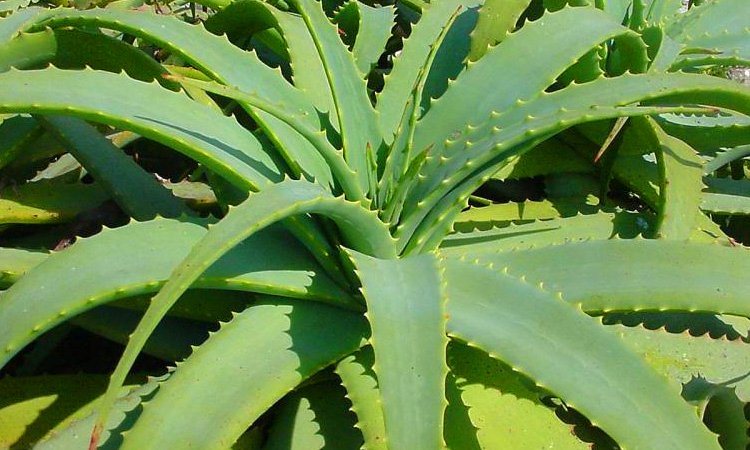
Aloe vera tea often sparks curiosity — and important safety questions. “Aloe vera” (also called Aloe barbadensis Miller) is a succulent plant whose leaves contain two very different substances: a transparent inner gel (edible when labeled for oral use) and a yellow latex found in the outer rind, which contains anthraquinones and should not be ingested. Health authorities clearly distinguish between edible gel (limited oral use, short-term, following product instructions) and latex (laxative effect and safety risks). NCCIH/NIH.
In everyday practice, what many people call “aloe vera tea” is not a traditional decoction of the whole leaf — because that would extract unwanted latex. Instead, it’s usually water + edible gel or an herbal infusion with a spoonful of gel added for a vegetal, refreshing touch. The safest approach is to use commercial, food-grade aloe gel (labeled for ingestion, typically “decolorized whole leaf extract” with <10 ppm aloin). When using fresh leaves, only the clear inner fillet is appropriate — but removing latex requires skill and caution. When in doubt, choose labeled edible products.
⚠️ This content is for informational purposes only and does not replace professional medical or nutritional advice.
What Is Aloe Vera Tea?
Aloe vera tea — understood here as a light herbal infusion mixed with edible gel — has a fresh vegetal aroma, watery feel, and a mild, cucumber-like flavor. When combined with citrus herbs, mint, or ginger, it creates a gentle drink that adds variety to daily hydration.
Sensory Profile (Light Preparation)
- Aroma: fresh, vegetal, subtle
- Flavor: slightly herbal, reminiscent of cucumber water
- Color: transparent to pale yellow, depending on the infusion base and gel used
Important: The yellow latex from the leaf rind must never be used. Stick to edible, food-grade aloe gel or “decolorized aloe juice” (low aloin), as emphasized in international safety monographs.
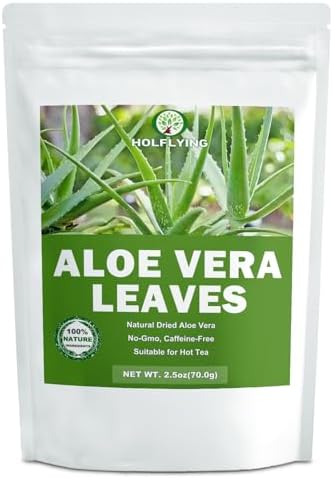
- Aloe leaves: 100% natural dried aloe leaves, dried aloe vera leaves sliced.
- Prepared convenience: Brew as tea, pre-cut and sifted for easy brewing.
- Pure aloe vera: 100% natural leaves with no additives, without aloe vera gel.
Culinary Benefits & Pleasant Uses
- Mindful ritual: A warm citrus infusion with a touch of aloe gel can create a soothing moment of pause.
- Versatility: Aloe beverages work as a neutral base for DIY syrups, herbal sodas, or flavored water.
- Smooth texture: The gel adds softness without heaviness. Commercial aloe drinks are mostly water and low in calories.
Traditional & Popular Uses
Aloe has been used for centuries both topically and orally. Modern health agencies stress that gel and latex have very different safety profiles. Aloe gel has been studied for topical use (dry skin, minor burns). Oral evidence remains limited, and whole-leaf, non-decolorized aloe extract has been classified as “possibly carcinogenic” (IARC 2B). Latex-containing products were removed from OTC laxatives by the FDA due to safety concerns.
This context helps define clear boundaries for safe homemade beverages.
Nutritional Table (100 g) — Aloe Vera Juice Drink (Fortified with Vitamin C)
Source: USDA/FNDDS
| Component (100 g) | Amount | % DV* |
|---|---|---|
| Energy | 15 kcal | 0.8% |
| Carbohydrates | 3.8 g | 1.3% |
| Sugars | 3.8 g | — |
| Protein | 0 g | 0% |
| Total fat | 0 g | 0% |
| Sodium | 8 mg | 0.4% |
| Calcium | 8 mg | 0.8% |
| Iron | 0.15 mg | 1% |
| Vitamin C† | 3.8 mg | 8% |
*Daily Values based on 2,000 kcal/day.
†Many commercial versions are fortified — always check the label.
Note: Some “100% aloe” drinks are nearly all water with minimal macronutrients.
Practical (Safe) Recipe: Citrus Infusion with Edible Aloe Gel
Yields: 2 cups • Time: 10–12 minutes
Ingredients
- 500 ml water
- Lemon or orange peel (to taste)
- 4–6 mint leaves (optional)
- 1–2 tbsp edible aloe gel (food-grade, low-aloin, “decolorized”)
Preparation
- Heat the water until just before boiling.
- Turn off the heat, add lemon peel (and mint, if desired), cover, and steep for 7–10 minutes.
- Strain, let it warm slightly, and stir in the aloe gel.
- Serve warm or iced.
- Add lemon slices and ice for an “herbal soda” effect.
Want to master infusion ratios?
➡️ See: How to Prepare Natural Teas
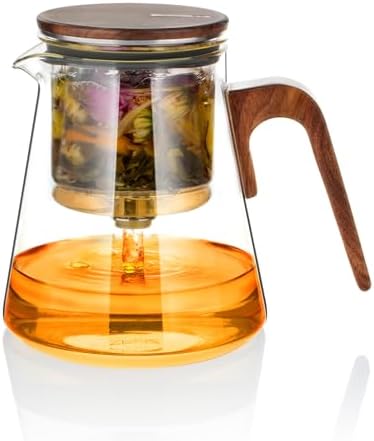
- Innovative Magnetic Suction Lid: The interior wood lid features magnetic mechanism that seamlessly controls tea brewing….
- Premium Walnut Wood lid and Handle: Crafted from high-grade black walnut wood and 304 stainless steel in a double-layer …
- Tea Separation and Fine Strainer : The tea strainer, hand-blown from high borosilicate glass, incorporates a high-densit…
Why You Should NOT Use the Whole Leaf
The rind contains yellow latex, rich in anthraquinones (like aloin), associated with laxative effects and safety warnings.
❌ Never boil the whole leaf.
✔️ Use only edible gel or commercial aloe beverages.
Culinary & Cosmetic Uses (With Caution)
Culinary
- Base for fruit syrups (reduce aloe tea + sugar)
- Good for homemade herbal sodas
- Works well with citrus and ginger
Cosmetic
Commercial topical aloe gels are intended for skin use and typically well tolerated, though irritation can occur.
⚠️ Do not replace cosmetic gel with edible aloe gel.
⚠️ Always patch test.
Storage & Cultivation
Storage (food-grade aloe)
- Refrigerate after opening
- Keep tightly closed and away from light/heat
- Respect expiration dates
Growing Aloe at Home
- Full sun to partial shade
- Well-drained soil
- Water sparingly
- Harvest only mature leaves
- Avoid using raw leaf internally without professional guidance
Precautions & Safety
- Gel vs. Latex: Gel is the internal fillet; latex is unsafe orally.
- Pregnancy & breastfeeding: Avoid oral aloe (gel, latex, extract) unless supervised by a health professional.
- Duration: Oral gel is considered possibly safe short-term (up to ~42 days). Latex is unsafe.
- Carcinogenicity concerns: Non-decolorized whole-leaf extract (with anthraquinones) has IARC Group 2B classification.
- Interactions: Aloe latex can interact with heart medications and laxatives.
- Quality: Use only products labeled for ingestion, with low aloin content.
FAQ — Aloe Vera Tea
1) Can I boil the whole aloe leaf?
No. It extracts latex, which should not be ingested.
2) Which part is edible?
The clear internal gel only, without latex.
3) Does aloe tea contain caffeine?
No — aloe drinks are naturally caffeine-free.
4) Does aloe tea help with weight loss?
There is no robust clinical evidence. Focus on balanced diet and lifestyle.
5) Can pregnant women drink aloe tea?
Avoid oral aloe during pregnancy and breastfeeding unless instructed by a health professional.
6) Is cosmetic aloe gel edible?
No. Topical gel is for external use only.
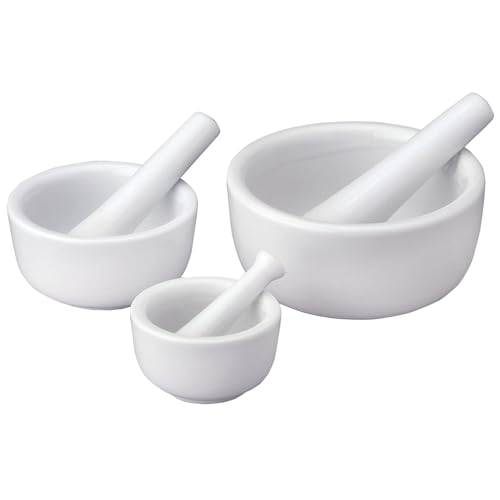
- HIC Kitchen Mortar And Pestle Set: Includes 3 different porcelain mortars and pestles; versatile set for grinding spices…
- Durable Fine Porcelain: Set includes 3 mortar sizes (2.75-inches, 3.5-inches, and 5-inches) with coordinating pestles; s…
- Multiple Sizes For Every Task: Smaller mortars are ideal for spice blends, herbal remedies, and pill crushing; larger si…
Read More — Nutritive Blog
- How to Prepare Natural Teas
- Ginger Tea: Benefits and How to Prepare
- Hibiscus Tea: Benefits and How to Prepare
Conclusion
Aloe vera tea — when made with edible gel only — can offer a refreshing, vegetal note that adds variety to your daily hydration. Safety comes first: avoid using the whole leaf, choose food-grade low-aloin gel, respect duration limits, and consult a professional if planning regular use. Explore more safe herbal teas here on the Nutritive Blog!
⚠️ This content is for informational purposes only and does not replace medical guidance.
Prepare your tea the right way
If you plan to use this plant to make tea, use the Nutritive Blog tea infusion timer. Proper infusion time helps preserve active compounds and ensures better results.
Author Box

Written by Alexandre Zorek — Business graduate with postgraduate studies in Botany. Passionate about orchids, photography, and natural eating. Father to Bianca and Beatriz. Shares reliable, accessible knowledge about plants, teas, fruits, and vegetables.