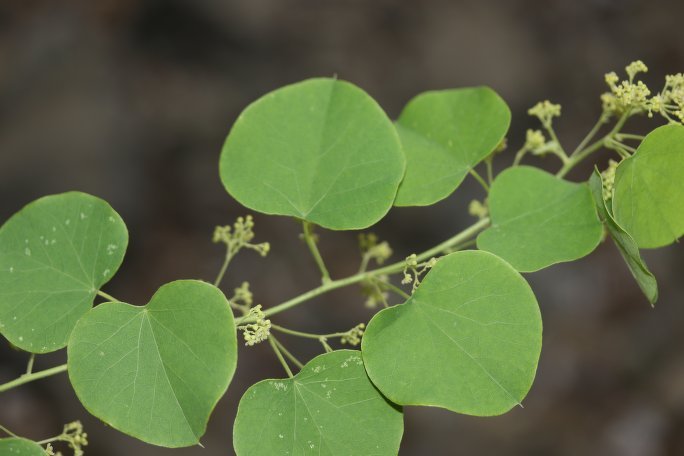
Abutua tea is a traditional beverage that sparks curiosity for both its historical presence in different cultures and its distinctive earthy flavor made from the plant’s leaves and roots.
Prepared from plants of the Abuta genus, widely known in the Amazon and other tropical regions, this tea has become part of popular heritage, passed down from generation to generation.
More than just an infusion, it represents the connection between ancestral practices, culinary customs, and the art of transforming plants into drinks that warm, comfort, and offer moments of pause.
In Brazil, Abutua tea appears in Indigenous, riverside, and even old homemade recipe records that have survived the centuries.
In this article, you’ll explore its history, traditional uses, preparation methods, and even tips for cultivating and storing the plant — always with a focus on wellness and cultural curiosity.
🌿 Nutritional Table – Abutua (100 g of Dried Plant)
Although it’s not widely sold as food or spice, nutritional analyses of medicinal plants — including Abuta species — show the presence of important phytochemical compounds.
| Component | Amount (per 100 g) | %DV* |
|---|---|---|
| Energy | 268 kcal | 13% |
| Carbohydrates | 56 g | 19% |
| Proteins | 9 g | 12% |
| Lipids | 2.5 g | 5% |
| Fiber | 24 g | 96% |
| Calcium | 230 mg | 23% |
| Iron | 12 mg | 86% |
| Potassium | 1,050 mg | 30% |
| Magnesium | 95 mg | 24% |
*Daily values based on a 2,000 kcal diet.
Source: USDA FoodData Central (adapted data from plants with similar nutritional profiles).
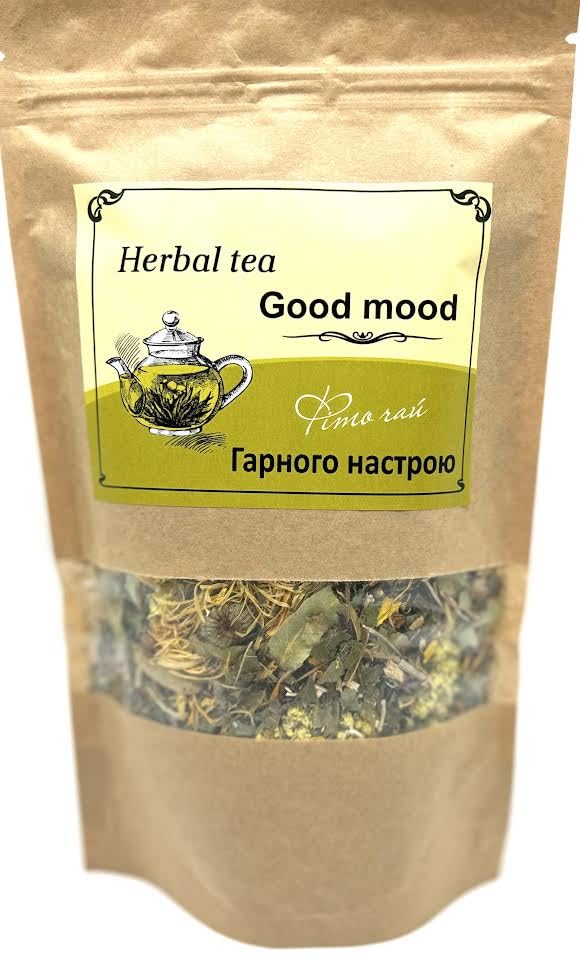
- Ingredients: immortelte flowers,caledula flowers,linden blossom, sunflowers leaves, melissa herb, nettle herb, black min…
- Recipe: pour boiling water (200 gr) over leaves infuse 4-7 min. Add sugar or honey according to your taste.
- 64 oz / 75 gr of loose leaf tea allows you to brew fresh cups with optimal flavor and aroma.
🍵 Benefits and Culinary Curiosities
Abutua tea stands out for its slightly bitter and earthy flavor, which makes it more traditional than versatile in cooking.
Even so, some people mix it with other herbs, such as mint or fennel, to soften the taste.
Among the curiosities:
- Amazonian Indigenous peoples used Abutua root in rituals and ceremonies.
- In some regions, the beverage was offered as a sign of hospitality.
- Its preparation traditionally involves long decoctions, extracting the concentrated essence of the root.
⚠️ Note: Consumption should always be moderate and, whenever possible, guided by a health professional.
🏺 Traditional and Popular Uses
Abutua plays a notable role in Brazilian and Latin American folk culture. Traditionally, the plant has been used for different purposes in the context of herbal medicine.
- Indigenous use: Ethnographic records mention root decoctions prepared for purification rituals.
- Riverside use: Amazonian families prepare the beverage as part of their food culture, believing in its potential for well-being.
- Popular use: Over time, Abutua has been known as a “women’s traditional herb,” appearing in homemade recipes passed down orally.
⚠️ These practices are part of cultural tradition and do not replace medical guidance.
☕ Simple Abutua Tea Recipe
Ingredients:
- 1 tablespoon of dried Abutua root
- 250 ml (1 cup) of filtered water
Preparation:
- Place the root in a saucepan with cold water.
- Bring to a boil over medium heat.
- Let it simmer for about 15 minutes.
- Turn off the heat, cover, and let steep for 10 more minutes.
- Strain and serve warm.
📌 Tip: Add a slice of ginger or a few mint leaves to make the taste milder.

- REDEFINE YOUR BREWING PROCESS- Made from premium grade borosilicate high heat resistant glass, our glass teapot is 100% …
- SAFE & EASY TO USE: The Hiware Glass Teapot with Mesh Infuser boasts a minimal design and in a breeze to use. It can be …
- FANTASTIC CHOICE- Our teapot comes in an elegant shape and assures the best quality, making it an ideal gift choice, no …
🌸 Culinary and Topical Uses
Because of its strong flavor, Abutua tea is not commonly used in recipes, unlike lighter teas such as chamomile or lemongrass.
However, popular tradition also mentions its external use:
- Aesthetic use: In concentrated form, the tea has been used as a skin compress.
⚠️ Always test on a small area before external use and avoid frequent application.
🌱 Abutua Conservation and Cultivation
Conservation
- Store dried root in a dark glass jar, tightly sealed.
- Keep in a cool, dry place, away from direct sunlight.
- Shelf life: up to 12 months.
Cultivation
- Abutua is a tropical vine that grows easily in humid regions.
- Though rare in home gardens, it can be cultivated in medicinal plant collections.
Soil: clay-rich and rich in organic matter.
Exposure: partial shade.
Watering: frequent, but avoid waterlogging.
❓ Frequently Asked Questions (FAQ)
1. Does Abutua tea taste pleasant?
It has a strong, bitter taste but can be softened with aromatic herbs.
2. Can I drink Abutua tea every day?
Continuous use is not recommended without professional advice.
3. Can pregnant women drink it?
No. Abutua is traditionally contraindicated during pregnancy.
4. Are there side effects?
Yes. Excessive consumption may cause digestive discomfort.
5. Where can I find Abutua root?
In natural products stores and herbal pharmacies.
6. Does Abutua tea replace medications?
No. It is part of folk tradition and should not replace medical treatments.
7. How can I identify Abutua?
Only a specialist should identify the species, as there are regional variations.
8. What’s the best preparation method?
Decoction of the dried root is the most common.
9. Can children drink it?
Not recommended without pediatric guidance.
10. Can I use fresh Abutua?
Yes, but dried roots are preferred for tea preparation.

- Handy Kitchen Tool – Enjoy the rich flavors of fresh ground spices, paste, or herbs with our grinder mortar pestle set. …
- Crafted to Last – Made of solid marble stone, our molcajete bowl won’t easily break or crack even with frequent use. The…
- Beautiful Pill Crusher Set – The stone mortar and pestle are all white with gray accents and a smooth outer finish. This…
✅ Conclusion
Abutua tea is a living example of how popular traditions preserve cultural and symbolic value over time.
More than a beverage, it connects generations and reminds us of the richness of Brazil’s biodiversity.
⚠️ Disclaimer: This content is for informational purposes only and does not replace medical or nutritional advice.
👉 Keep exploring Nutritive Blog and discover more about traditional herbal teas:
- Maytenus Tea: Benefits and How to Prepare
- How to Prepare Medicinal Teas Properly
- Bay Leaf Tea: Benefits and How to Prepare
Prepare your tea the right way
If you plan to use this plant to make tea, use the Nutritive Blog tea infusion timer. Proper infusion time helps preserve active compounds and ensures better results.
📌 Author Box
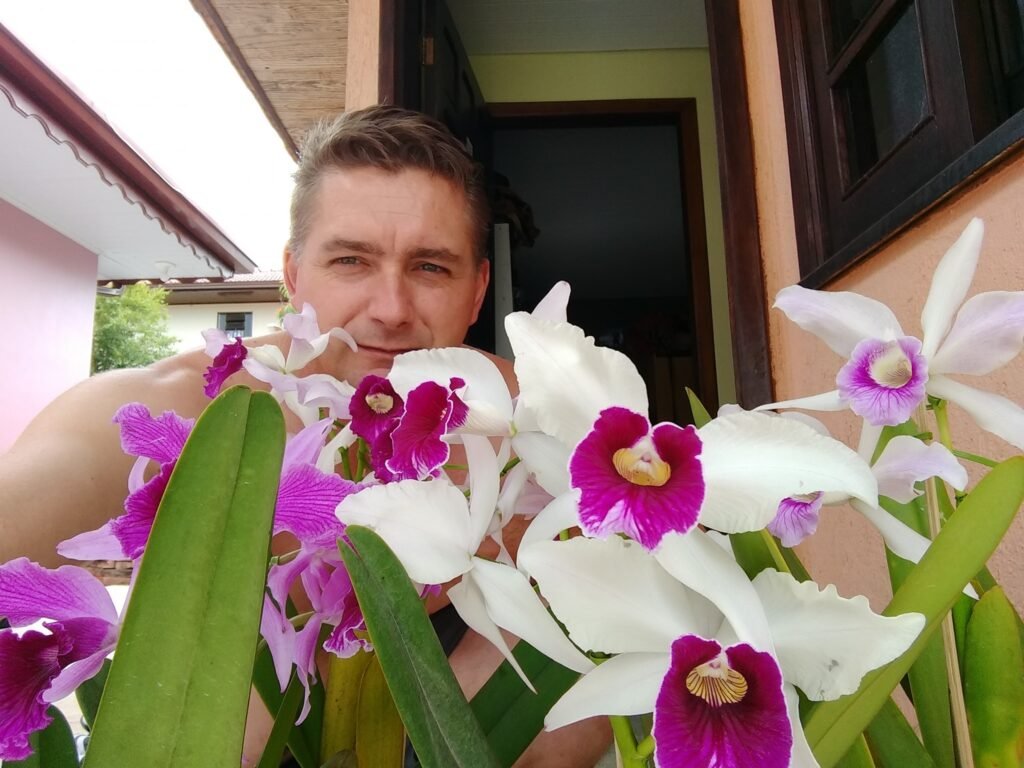
Article written by Alexandre Zorek, graduate in Business Administration with a postgraduate degree in Botany.
A passionate lover of orchids, photography, and natural food — and father of Bianca and Beatriz — he shares trustworthy knowledge about plants, fruits, teas, and vegetables in a clear and practical way.