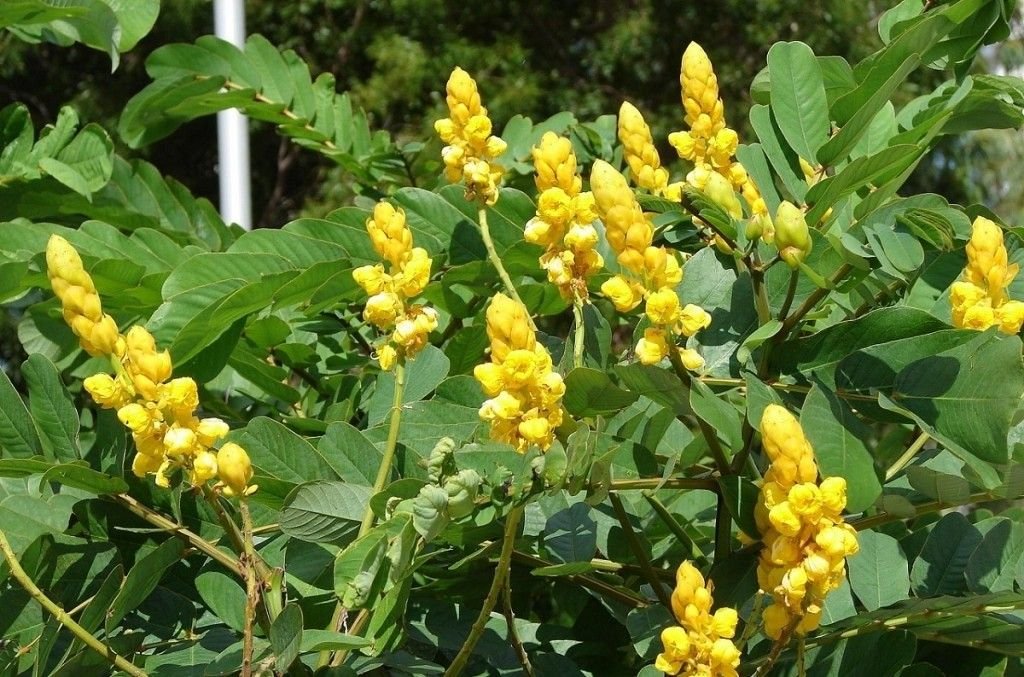
Senna tea is a well-known herbal infusion traditionally used for its natural laxative properties. For centuries, senna has been employed in herbal medicine to relieve occasional constipation, but its effects, risks, and proper use deserve careful attention.
In this article, you’ll learn what senna is, how senna tea works in the body, its main benefits, possible side effects, contraindications, and how to prepare it safely and responsibly.
⚠️ Disclaimer: This content is for educational purposes only and does not replace medical advice.
What Is Senna?
Senna (Senna alexandrina, also known as Cassia angustifolia) is a medicinal plant native to parts of Africa and Asia. Its leaves and pods contain compounds called anthraquinones, which stimulate the muscles of the large intestine, promoting bowel movements.
In herbal medicine, senna is used only for short-term relief of constipation. Because of its strong action, it is not intended for daily or long-term use.
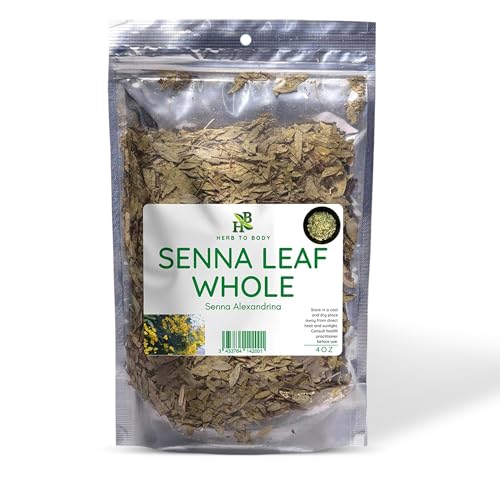
- Wildcrafted Whole Senna Leaves: Sustainably harvested senna leaf whole from Senna Alexandrina, carefully dried to preser…
- Supports Natural Elimination and Gut Wellness: Commonly used as an herbal laxative, senna leaves are known to assist wit…
- Ideal for Senna Tea Preparation: Brew into soothing senna tea for a traditional herbal remedy. These whole leaves steep …
Main Benefits of Senna Tea
1. Powerful Natural Laxative
Senna’s most recognized benefit is its strong laxative effect. It stimulates intestinal peristalsis, helping move stool through the colon and relieve constipation.
2. Support for Bowel Cleansing (Medical Use Only)
Due to its purgative action, senna is sometimes used before medical procedures such as colonoscopy, always under medical supervision.
3. Temporary Reduction in Bloating
Some people experience short-term relief from abdominal bloating due to stool elimination. However, this effect is temporary and not related to fat loss.
4. Occasional Detox Support (With Caution)
When used very occasionally, senna tea may support intestinal clearance. This should never be confused with long-term “detox” programs.
How to Prepare Senna Tea Safely
Proper preparation is essential to reduce the risk of adverse effects.
Ingredients
- 1 teaspoon dried senna leaves
- 1 cup (250 ml) hot water
Preparation
- Heat the water until it reaches a boil.
- Turn off the heat and add the senna leaves.
- Cover and steep for 5 to 10 minutes only.
- Strain before drinking.
👉 Learn more: How to Prepare Herbal Tea Properly
Best time to drink: At night, since effects usually occur the following morning.

- 【Stovetop Safe】Lead-free, free of any metals and toxins. Our glass teapot are made of borosilicate lead-free glass that …
- 【Removable Infuser】This glass teapot has a removable glass infuser. This infuser is made of 18/8 stainless steel and has…
- 【Ergonomic Design】The glass tea kettle is specially designed for one-handed operation. This glass tea pot is designed li…
How Long Does Senna Tea Take to Work?
Senna tea typically works within 6 to 12 hours after consumption. This delayed effect is why it is commonly taken before bedtime.
How Long Can You Use Senna Tea?
Senna should be used only occasionally, for no more than 2–3 consecutive days.
If constipation is frequent or chronic, the underlying cause should be evaluated by a healthcare professional instead of relying on laxatives.
Side Effects of Senna Tea
Despite being natural, senna can cause side effects, especially with excessive or prolonged use:
- Abdominal cramps
- Diarrhea
- Dehydration
- Electrolyte imbalance (especially potassium loss)
- Intestinal irritation
- Laxative dependence (reduced natural bowel function)
For this reason, senna should never be used daily or long term.
Contraindications: Who Should Avoid Senna Tea?
Senna tea is not recommended for:
- Pregnant or breastfeeding individuals
- Children under 12 years old
- People with intestinal obstruction or inflammatory bowel disease
- Individuals with hemorrhoids or severe abdominal pain
- Those taking diuretics, heart medications, or laxatives
If you have any medical condition or take regular medication, consult a healthcare provider before using senna.
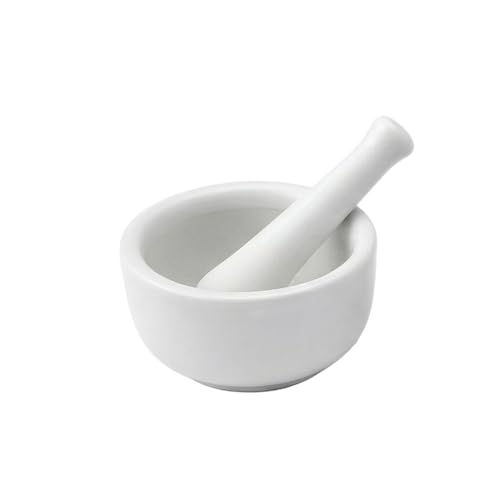
- HIC Kitchen Small Mortar And Pestle Set: Grinds spices, herbs, nuts, seeds, and pills into fine paste or powder; perfect…
- Durable Fine Porcelain: Mortar measures 2.75 x 1.5-inches, pestle measures 2.875-inches; sturdy porcelain construction d…
- Compact And Versatile: Ideal for spice blends, curry pastes, spreads, herbal remedies, nut butters, and pulverizing hard…
Tips for Safer Use
- Stay well hydrated throughout the day
- Increase dietary fiber intake (fruits, vegetables, whole grains)
- Combine with mild herbs like fennel or peppermint to reduce cramps
- Never exceed recommended doses
- Avoid continuous use
Gentler Alternatives to Senna
If you’re looking for milder, safer options for regular bowel support, consider:
These options are more suitable for long-term digestive balance.
Prepare your tea the right way
If you plan to use this plant to make tea, use the Nutritive Blog tea infusion timer. Proper infusion time helps preserve active compounds and ensures better results.
Final Thoughts
Senna tea is an effective natural remedy for occasional constipation, but it must be used with caution and respect. It is not a daily digestive solution, nor a safe long-term detox or weight-loss aid.
Understanding how senna works—and its limits—is essential for protecting your intestinal health. When in doubt, always prioritize gentle lifestyle changes and professional guidance.