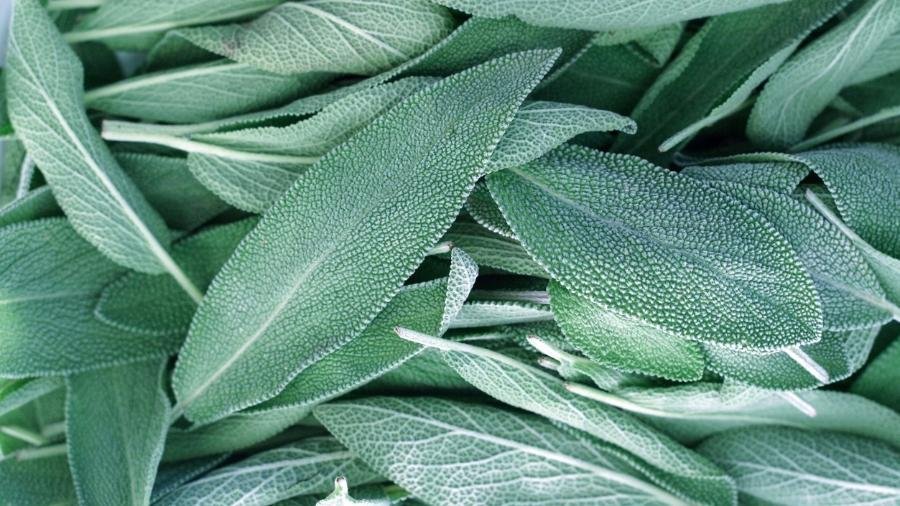
Sage (Salvia officinalis) is a medicinal herb that has been used for centuries due to its powerful therapeutic properties. Native to the Mediterranean region and a member of the Lamiaceae (mint) family, sage is known for its distinctive aroma and soft, gray-green leaves. Sage tea is widely consumed for both physical and mental well-being, making it an excellent natural option for daily wellness support.
In this article, you’ll learn about the main benefits of sage tea, how to use it properly, its contraindications, and how to prepare this potent herbal infusion. You’ll also find suggestions for related herbal teas to deepen your knowledge of natural remedies.
⚠️ Disclaimer: This content is for educational purposes only and does not replace professional medical advice.
Benefits of Sage Tea
1. Anti-Inflammatory Properties
Sage contains antioxidant and anti-inflammatory compounds such as rosmarinic acid, which help reduce inflammation in the body. Sage tea may support relief from joint pain, rheumatism, sore throat, and oral inflammation such as gingivitis and mouth ulcers.

- ✅ High Quality & Purity: Guaranteed free from artificial additives, preservatives, and GMOs.
- ✅ Enjoy multiple cups of tea with our generous 50g package.
- ✅ Supports Memory and Focus: Experience the benefits of Sage Leaf Tea, a natural way to support memory and focus.
2. Digestive Support
Sage tea stimulates the production of digestive enzymes and gastric juices, making it helpful after heavy meals. It may reduce symptoms such as bloating, gas, indigestion, and stomach discomfort.
3. Calming and Relaxing Effect
When consumed in the evening, sage tea may help calm the nervous system and promote relaxation. Its mild anxiolytic properties make it useful for people dealing with stress, anxiety, irritability, and occasional insomnia.
4. Cognitive and Brain Health Support
Research suggests that compounds found in sage may help support memory, focus, and cognitive performance. Because of this, sage has been studied as a complementary aid in age-related cognitive decline, including conditions such as Alzheimer’s disease.
5. Menopause Symptom Relief
One of sage’s most traditional uses is the relief of menopausal symptoms, especially hot flashes, night sweats, and mood swings. Its mild phytoestrogenic effect may help support hormonal balance during this stage of life.
6. Antiseptic and Expectorant Action
Sage tea is commonly used for mild respiratory infections, including colds and flu. Its antiseptic properties may help inhibit bacteria and viruses, while its expectorant action supports mucus clearance from the airways.
7. Oral Health Benefits
Gargling with warm sage tea may help reduce bad breath, sore throat, gum inflammation, and oral infections. Sage is widely recognized as a natural antiseptic for oral hygiene.
How to Prepare Sage Tea
Preparing sage tea is simple, but correct dosage is important to avoid adverse effects.
Ingredients
- 1 tablespoon dried sage leaves (or 2 tablespoons fresh leaves)
- 1 cup boiling water
Preparation
- Bring the water to a boil.
- Turn off the heat and add the sage leaves.
- Cover and steep for about 10 minutes.
- Strain and drink.
👉 See our complete guide: How to Prepare Herbal Tea Properly

- 【PERFECT DESIGN】This glass teapot specially designed with a non dripping spout and an ergonomic perfect handle for a sec…
- 【WITHSTAND HIGH TEMPERATURES】: This teapot kettle is made with high quality borosilicate glass. Heat-resistance from -15…
- 【TEAPOT WITH INFUSER】: This tea kettle has a removable infuser, which made with food grade 304 stainless steel, 100% BPA…
How to Use Sage Tea
- For digestion or relaxation: Drink 1 cup after meals or before bedtime
- For throat or respiratory discomfort: Use warm tea as a gargle
- For menopause support: 1–2 cups per day, preferably unsweetened
Continuous use should be limited to short periods (up to 10 days), followed by breaks. Always consult a qualified healthcare professional before long-term use.
Contraindications and Safety Notes
Despite its benefits, sage tea is not suitable for everyone:
- Pregnant or breastfeeding individuals: Not recommended due to hormonal effects
- People with epilepsy: Sage contains thujone, which may trigger seizures at high doses
- Excessive consumption: May cause digestive irritation, dizziness, elevated blood pressure, or neurological effects
Moderation is essential when using sage medicinally.
Interesting Facts About Sage
- The name Salvia comes from the Latin salvare, meaning “to heal” or “to save”
- Sage was considered a sacred plant in many ancient cultures
- Beyond herbal tea, sage is widely used in Mediterranean and Italian cuisine

- Handy Kitchen Tool – Enjoy the rich flavors of fresh ground spices, paste, or herbs with our grinder mortar pestle set. …
- Crafted to Last – Made of solid marble stone, our molcajete bowl won’t easily break or crack even with frequent use. The…
- Beautiful Pill Crusher Set – The stone mortar and pestle are all white with gray accents and a smooth outer finish. This…
Related Herbs and Resources
You may also enjoy learning about these herbs with similar effects:
- Chamomile Tea: Benefits and Uses
- Melissa (Lemon Balm) Tea for Anxiety and Sleep
- Rosemary Tea: Natural Energy and Focus
Prepare your tea the right way
If you plan to use this plant to make tea, use the Nutritive Blog tea infusion timer. Proper infusion time helps preserve active compounds and ensures better results.
Final Thoughts
Sage tea is a powerful and time-honored herbal infusion with benefits that range from digestive support to hormonal balance and stress relief. When used responsibly and in proper amounts, sage can be a valuable ally in a natural wellness routine.
If you’re seeking a more balanced lifestyle supported by medicinal plants, sage tea is a wise and versatile choice.