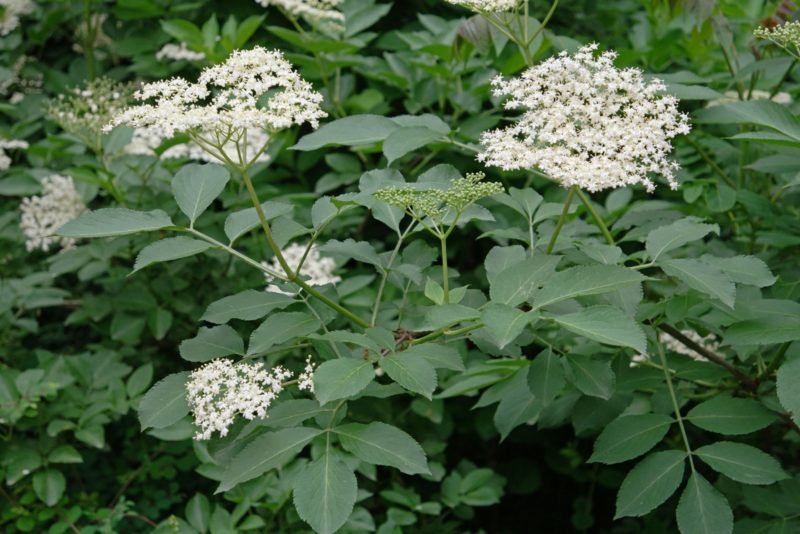
Elderberry tea (Sambucus nigra) is a traditional medicinal plant widely used in European and North American herbal medicine. In recent years, it has also gained popularity in other parts of the world due to its powerful immune-supporting and respiratory benefits. The flowers and ripe berries are the primary parts used medicinally, with herbal tea being one of the most common and accessible preparations.
In this article, you’ll learn what elderberry is, its main health benefits, how elderberry tea works, how to prepare it safely, and important precautions to consider. You’ll also find practical tips, interesting facts, and suggestions for related herbal teas to continue exploring natural wellness.
⚠️ Disclaimer: This content is for educational purposes only and does not replace professional medical advice.
What Is Elderberry?
Elderberry is a shrub or small tree native to Europe that also grows naturally in many temperate regions of North America. It produces clusters of small white flowers and dark purple to black berries with a naturally tart, astringent flavor.
While several parts of the plant contain bioactive compounds, only the dried flowers and fully ripe berries are considered safe for consumption. The leaves, bark, stems, and unripe berries are toxic and should never be used.

- ✅ WILD & ORGANIC – Picked in the wild on the slopes untouched nature of Ibarska slatina these berries carry a punch natu…
- ✅ SUPERFRUIT IN YOUR KITCHEN – While we are on the topic of superpowers, this superfruit will expand your cooking horizo…
- ✅ VERSATILE INGREDIENT – All the way from Hippocrates to Harry Potter, this plant had its fair share of myths and legend…
Main Benefits of Elderberry Tea
1. Immune System Support
Elderberry is best known for its ability to support immune function. Research suggests that its polyphenols and anthocyanins may help reduce the duration and severity of colds and flu, making elderberry a popular herbal ally during seasonal illnesses.
2. Expectorant and Anti-Inflammatory Action
Elderberry flowers have natural expectorant properties, helping loosen mucus and clear the airways. They are traditionally used for mild bronchitis, sinus congestion, and seasonal respiratory allergies.
👉 Related reading:
Guaco Tea: Benefits and How to Prepare It
3. Mild Diuretic Effect
Elderberry tea promotes gentle fluid elimination by stimulating kidney function. This mild diuretic action may help with temporary water retention and natural detox support.
4. Antiviral and Antioxidant Properties
Studies indicate that elderberry may inhibit certain viruses, including influenza strains, while its antioxidants help neutralize free radicals and protect cells from oxidative stress.
5. Relief from Flu Symptoms and Fever
Elderberry flowers have a traditional diaphoretic effect, meaning they encourage sweating. This may help the body regulate temperature and provide comfort during fever and flu-like symptoms.
👉 You may also enjoy:
Ginger Tea: Benefits and How to Prepare It
How to Prepare Elderberry Tea
Elderberry tea is most commonly made using dried elderflower, which offers a gentle flavor and excellent respiratory benefits.
Ingredients
- 1 tablespoon dried elderflower
- 1 cup (250 ml) water
Preparation
- Bring the water to a boil.
- Add the dried elderflower.
- Cover and steep for 10 minutes.
- Strain and drink warm.
👉 Step-by-step guide:
How to Prepare Herbal Tea Properly
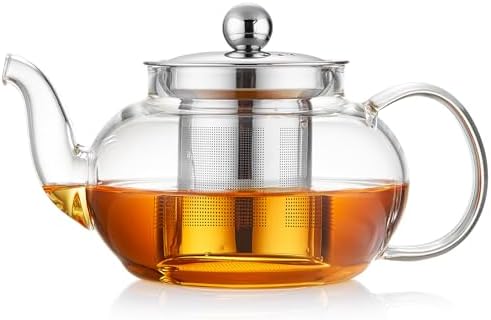
- Durable Glass Teapot with Infuser: This teapot is made from heat-resistant borosilicate glass, ensuring safe use on stov…
- Microwave & Stovetop Safe Glass Teapot: Designed for convenience, this glass teapot with infuser is safe for microwave a…
- High-Quality Stainless Steel Infuser: The removable stainless steel infuser is perfect for brewing loose tea, blooming t…
How to Drink Elderberry Tea
- Up to 3 cups per day
- Best consumed after meals or before bedtime during colds or flu
- May be sweetened with honey (for non-diabetics)
Contraindications and Safety Notes
- Not recommended for pregnant or breastfeeding individuals without medical guidance
- People with autoimmune conditions should consult a healthcare professional
- Excessive intake may cause nausea or diarrhea
- ⚠️ Never consume unripe berries, leaves, or bark — they contain cyanogenic glycosides
What Is Elderberry Tea Good For?
- Colds and flu
- Fever
- Productive cough
- Respiratory allergies
- Fluid retention
- Oxidative stress
Does Elderberry Help with Weight Loss?
Elderberry tea may indirectly support weight management due to its mild diuretic and detox-supporting properties. However, it is not a fat-burning tea and should be viewed as a supportive wellness beverage rather than a weight-loss solution.
Interesting Facts About Elderberry
- Considered sacred by ancient Celtic and Germanic cultures
- Common ingredient in traditional European syrups and liqueurs
- Historically used in folk rituals for protection and renewal
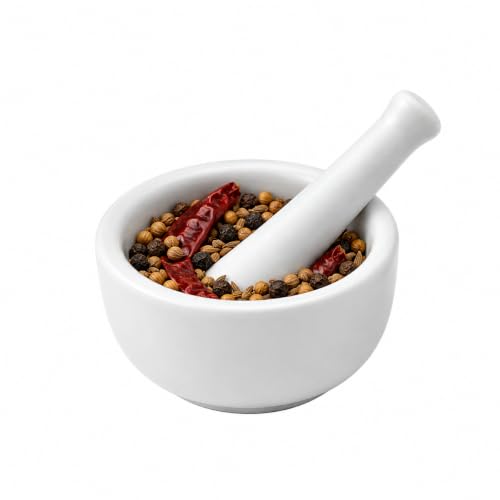
- HIC Kitchen Small Mortar And Pestle Set: Grinds spices, herbs, nuts, seeds, and pills into fine paste or powder; perfect…
- Durable Fine Porcelain: Mortar measures 2.75 x 1.5-inches, pestle measures 2.875-inches; sturdy porcelain construction d…
- Compact And Versatile: Ideal for spice blends, curry pastes, spreads, herbal remedies, nut butters, and pulverizing hard…
Bonus Tip: Elderberry with Ginger and Honey
A warm infusion of elderberry, ginger, and honey is ideal during colder months. It helps soothe the throat, support immunity, and improve overall comfort.
Elderberry Lemon Tea Recipe
Ingredients
- 1 tablespoon dried elderflower
- 1 slice lemon
- 1 cup hot water
Prepare as usual and add the lemon during steeping. Strain and serve warm.
Continue Reading on the Nutritive Blog
- Dandelion Tea: Benefits and How to Prepare It
- Brazilian Lemon Balm Tea: Uses and Benefits
- Lavender Tea: Calming Properties and How to Use It
Prepare your tea the right way
If you plan to use this plant to make tea, use the Nutritive Blog tea infusion timer. Proper infusion time helps preserve active compounds and ensures better results.
Final Thoughts
Elderberry is one of the most versatile and respected herbs in traditional herbal medicine. Its flowers and berries offer valuable support for immune health, respiratory comfort, and overall balance. When prepared correctly and used responsibly, elderberry tea can be a powerful addition to a natural wellness routine.