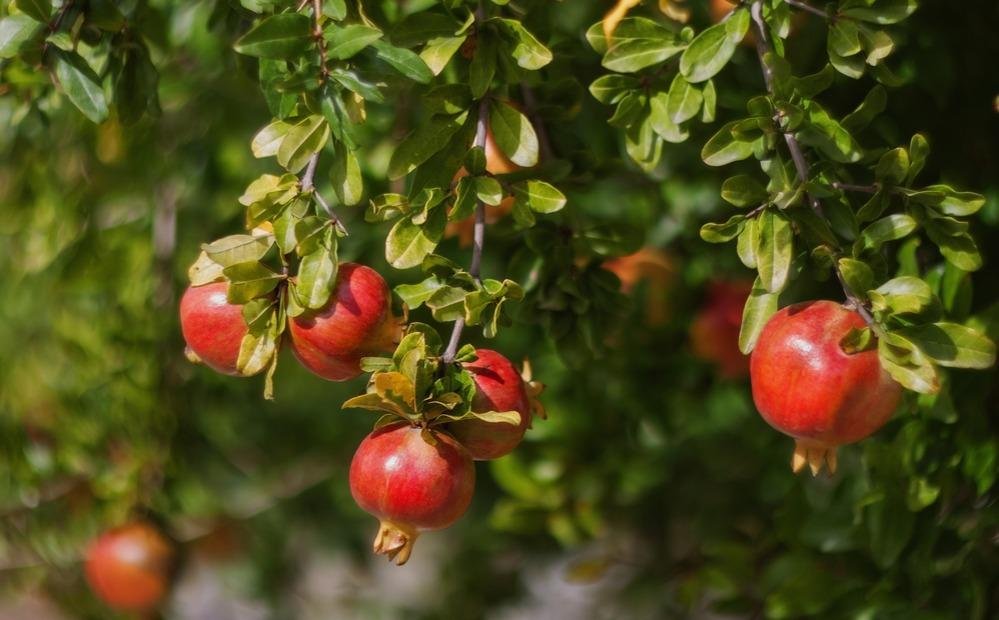
Pomegranate (Punica granatum) has been valued since ancient times not only as a nourishing fruit but also as a symbol of life, vitality, and prosperity. Across many cultures, pomegranate has been used in traditional medicine for its antioxidant, anti-inflammatory, and antimicrobial properties, especially when prepared as a herbal tea.
In this complete guide, you will learn:
- What pomegranate tea is
- Its main health benefits
- How it supports immunity, digestion, and throat health
- How to prepare pomegranate tea properly
- Important safety considerations
⚠️ Disclaimer: This article is for educational purposes only and does not replace professional medical advice.
What Is Pomegranate?
Pomegranate is the fruit of the plant Punica granatum, a shrub or small tree native to the Middle East and Central Asia. Today, it is cultivated worldwide, including in warm regions of the United States.
The fruit is easily recognized by its thick outer peel and hundreds of juicy seeds (arils) with a sweet-tart flavor. Beyond culinary use, pomegranate has a long history in traditional medicine, where the peel, leaves, and juice have been used for health support.
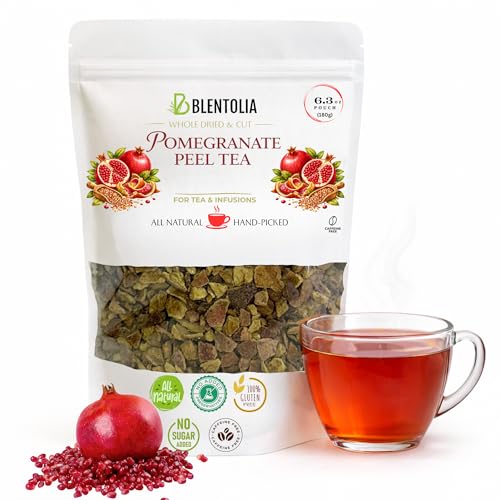
- 100% Dried Pomegranate Peel: Naturally sun-dried, coarse-cut peels with no additives or preservatives
- Rich in Antioxidants: Supports immune health, digestion, and detoxification with polyphenol-rich compounds
- Loose Leaf Format (180g): Suitable for teapots, strainers, or herbal infusions; customize strength and flavor
Main Medicinal Compounds in Pomegranate
Pomegranate is rich in bioactive compounds that contribute to its health benefits, including:
- Polyphenol antioxidants (punicalagins and ellagic acid)
- Vitamin C
- B-complex vitamins
- Tannins
- Flavonoids
- Minerals such as potassium and iron
These compounds give pomegranate antioxidant, anti-inflammatory, antimicrobial, and cardioprotective properties.
Benefits of Pomegranate Tea
Pomegranate tea is commonly prepared using the fruit peel or the leaves. Each part offers specific benefits when consumed properly.
1. Supports the Immune System
Thanks to its high antioxidant content and vitamin C, pomegranate tea helps support immune defenses, especially during periods of increased exposure to infections.
2. Soothes Sore Throat and Oral Inflammation
Pomegranate peel tea is traditionally used as a gargle to help relieve sore throat, tonsillitis, and throat irritation. Its tannins provide an astringent effect that helps reduce inflammation, while its antimicrobial compounds support oral health.
3. Promotes Cardiovascular Health
The antioxidants found in pomegranate may help reduce LDL (“bad”) cholesterol oxidation, support healthy blood circulation, and contribute to overall heart health.
4. Aids Digestion
Pomegranate tea may act as a gentle digestive aid, helping reduce gas, mild cramps, and discomfort after heavy meals.
5. Helps Manage Mild Diarrhea
Traditionally, pomegranate peel tea has been used for its astringent properties, which may help manage mild diarrhea when used short-term.
6. Supports Healthy Aging
Its high antioxidant content helps protect cells from oxidative stress, supporting skin health and overall cellular longevity.
7. Promotes Oral and Gum Health
Using pomegranate tea as a mouth rinse may help with gingivitis, mouth sores, and bad breath, thanks to its antiseptic and astringent action.
How to Prepare Pomegranate Tea Properly
Pomegranate tea can be prepared using either the fruit peel (decoction) or the leaves (infusion).
Pomegranate Peel Tea (Decoction)
Ingredients:
- 1 tablespoon fresh or dried pomegranate peel
- 1 cup (250 ml) water
Preparation:
- Place the peel and water in a saucepan.
- Bring to a gentle boil and simmer for 5–10 minutes.
- Turn off the heat, cover, and let steep for another 10 minutes.
- Strain and drink warm.
This preparation is ideal for throat gargles, digestive support, or short-term internal use.

- 【Stovetop Safe】Our glass teapot are made of borosilicate lead-free glass that is scratch resistant and can withstand tem…
- 【Removable Infuser】This glass teapot has a removable glass infuser. This infuser is made of 18/8 stainless steel and has…
- 【Ergonomic Design】The glass tea kettle is specially designed for one-handed operation. This glass tea pot is designed li…
Pomegranate Leaf Tea (Infusion)
Ingredients:
- 1 tablespoon fresh or dried pomegranate leaves
- 1 cup (250 ml) hot water
Preparation:
- Heat the water until just boiling.
- Pour over the leaves.
- Cover and steep for 10 minutes.
- Strain and drink up to 1–2 cups per day.
👉 Learn more:
How to Prepare Herbal Teas Properly
Safety Considerations and Contraindications
Pomegranate tea is generally safe when consumed in moderation. However:
- Avoid long-term continuous use; take breaks
- Pregnant and breastfeeding individuals should consult a healthcare professional
- Excessive peel tea may cause constipation due to tannins
- Individuals with low blood pressure should use with caution
Always use clean, food-grade plant material.
Tips for Use and Herbal Combinations
Pomegranate tea can be combined with other natural ingredients for added benefits:
- With ginger and lemon: immune support
(See: Ginger Tea Benefits and How to Prepare) - With mint: digestive comfort
(See: Mint Tea Benefits) - With honey or propolis: throat soothing during colds
Interesting Facts About Pomegranate
- In many cultures, pomegranate symbolizes abundance and prosperity
- In Brazil, it is common to keep pomegranate seeds as a New Year good-luck charm
- Pomegranate is considered sacred in several religious traditions
- Modern research continues to validate many of its traditional uses

- Natural & Eco-Friendly Material: Made from solid, polished marble, this mortar and pestle is chemical-free, non-porous, …
- Powerful Grinding Performance: The heavy-duty marble design delivers superior crushing force, effortlessly turning hard …
- Multipurpose Use: Ideal for grinding peppercorns, garlic, ginger, turmeric, pills, dried herbs, or creating custom blend…
Prepare your tea the right way
If you plan to use this plant to make tea, use the Nutritive Blog tea infusion timer. Proper infusion time helps preserve active compounds and ensures better results.
Final Thoughts: Is Pomegranate Tea Worth Including in Your Routine?
Yes. Pomegranate tea is a versatile and powerful natural ally, especially for throat care, digestion, immune support, and antioxidant protection. Whether used as a beverage or as a gargle, it offers gentle yet effective benefits when used responsibly.
As with all herbal remedies, moderation and proper preparation are key.