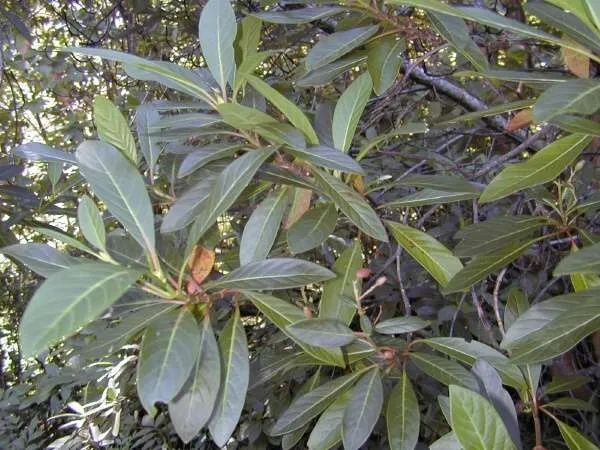
Cinchona bark tea has a long and fascinating history in traditional medicine. Derived from trees of the Cinchona genus—most notably Cinchona officinalis—this medicinal bark is native to South America and became world-famous for its role in the treatment of malaria due to its natural quinine content.
Beyond its historical importance, cinchona bark has been traditionally used as a fever reducer, digestive tonic, immune supporter, and general strength-building remedy. When used correctly and in moderation, cinchona bark tea may offer several health benefits.
In this article, you’ll learn:
- What cinchona bark is
- Its traditional and medicinal uses
- Potential health benefits
- How to prepare cinchona bark tea properly
- Important safety precautions
⚠️ Disclaimer: This article is for educational purposes only and does not replace professional medical advice.
What Is Cinchona Bark?
Cinchona refers to several tree species within the Cinchona genus, including C. officinalis, C. pubescens, and C. calisaya. These trees are native to the Andean regions of South America and are best known for their bark, which contains powerful alkaloids—most notably quinine.
Historically, powdered cinchona bark was one of the first effective treatments for malaria, saving countless lives worldwide. Today, cinchona is still valued in herbal traditions for its bitter tonic properties, digestive support, and circulatory benefits.
The bark is typically used in the form of tea (decoction), tinctures, capsules, or powders. Its intensely bitter taste is a hallmark of its potency.
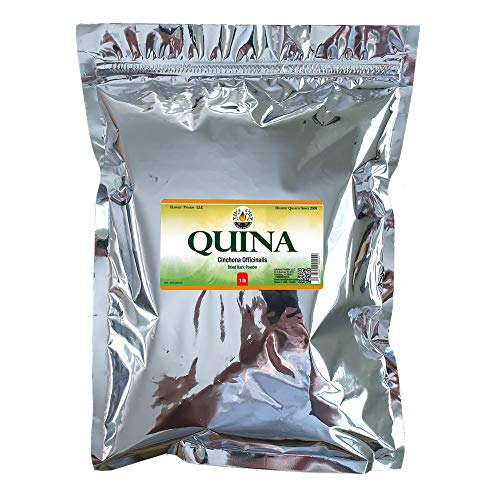
- Also known as Bei Chai Hu, Thorowax, Saiko, Shrubby Hare’s-ear, Sickle-leaf Hare’s-ear
- Our herbs are organically grown, ethically wild harvested, or selectively imported.
- No Caffeine, GMO-Free, Gluten-Free
Active Compounds in Cinchona Bark
Cinchona bark contains several biologically active compounds, including:
- Quinine – traditionally used as an antimalarial, analgesic, and fever reducer
- Quinidine – historically used in cardiac rhythm regulation
- Bitter alkaloids – stimulate digestion and appetite
- Tannins – provide astringent and anti-inflammatory effects
These compounds explain why cinchona bark has been used for centuries as a multi-purpose medicinal tonic.
What Is Cinchona Bark Tea Used For?
1. Fever Reduction
Cinchona bark has long been used as a natural antipyretic, helping reduce persistent fevers. Its historical use in malaria is the most well-known example, but it has also been used traditionally during infections accompanied by fever.
2. Digestive and Appetite Tonic
Because of its strong bitterness, cinchona bark stimulates the release of digestive enzymes and gastric juices. It is traditionally used for:
- Poor appetite
- Slow digestion
- Low stomach acid
- General digestive discomfort
Taken before meals, it may help prepare the digestive system.
3. General Strength and Recovery Support
Cinchona bark is considered a restorative tonic, traditionally used during recovery from illness, chronic fatigue, anemia, or general weakness. It has been associated with improved vitality and circulatory support.
4. Traditional Aphrodisiac Use
In some traditional systems, cinchona bark has been described as a natural stimulant, believed to enhance energy and physical endurance. These effects are anecdotal and linked to its tonic nature.
5. External Use for Hair Health
Cinchona extracts are commonly found in herbal hair tonics and shampoos, traditionally used to:
- Strengthen hair
- Reduce hair loss
- Stimulate scalp circulation
How to Prepare Cinchona Bark Tea
Because cinchona bark is dense and woody, it must be prepared using decoction, not infusion.
Ingredients
- 1 tablespoon dried cinchona bark (cut or crushed)
- 500 ml (about 2 cups) filtered water
Preparation Method (Decoction)
- Add the bark to a saucepan with the water.
- Bring to a gentle boil.
- Simmer for 10 minutes, partially covered.
- Turn off the heat and let it rest for another 10 minutes.
- Strain and drink warm or at room temperature.
👉 For a deeper understanding of infusion vs. decoction and ideal water temperatures, see:
How to Prepare Herbal Teas Properly

- ☕Humanized design:The 1200ml teapot has a large capacity and a water level scale is added on the surface. The teapot spo…
- ☕Multiple functions: The teapot is suitable for making a variety of different drinks, tea, coffee, herbs, etc. The teapo…
- ☕Safe teapot: It is composed of lead-free high borosilicate glass, using food-grade 304 stainless steel filter screen, w…
Recommended Intake
- Dosage: 1 to 2 cups per day
- Best time: Before meals, to stimulate digestion
- Duration: Short-term use only
Prolonged or excessive use should be avoided unless supervised by a qualified professional.
Other Forms of Use
In addition to tea, cinchona bark may be found as:
- Tinctures (alcohol extracts)
- Standardized capsules
- Powdered bark
- Hair tonics and scalp treatments
Always choose products from reputable sources.
Contraindications and Possible Side Effects
Cinchona bark is potent and must be used with caution.
Do NOT use if you:
- Are pregnant or breastfeeding
- Are under 12 years old
- Have severe gastritis, ulcers, or liver disease
Possible Side Effects (especially with high doses):
- Nausea
- Dizziness
- Ringing in the ears (a sign of quinine sensitivity)
- Stomach irritation
Never exceed recommended amounts or use long-term without professional guidance.
Interesting Facts About Cinchona
- Cinchona is one of the most historically significant medicinal plants in the world
- Quinine was among the first effective treatments for malaria
- The word “cinchona” comes from Quechua, meaning “tree bark”
- Quinine later inspired the creation of tonic water

- MEASUREMENTS AND BENEFITS: With a 6 inche diameter, this Granite Molcajete is perfect for preparing small to medium size…
- DURABLE CONSTRUCTION: Crafted from durable granite with a natural finish, this mortar and pestle set is easy to clean, o…
- FUNCTIONALITY & SIZE: With a 6 inche diameter, granite construction, and natural finish, this Molcajete Spice Grinder bl…
Tips to Improve Taste and Tolerance
- Combine with mint or fennel to soften bitterness
- Use filtered water
- Avoid over-boiling
- Drink fresh, shortly after preparation
Prepare your tea the right way
If you plan to use this plant to make tea, use the Nutritive Blog tea infusion timer. Proper infusion time helps preserve active compounds and ensures better results.
If you enjoy discovering the stories and flavors behind traditional teas, explore more articles on Nutritive Blog:
Disclaimer: This content is for informational purposes only and does not replace professional medical or nutritional advice.
Final Thoughts: Is Cinchona Bark Worth Using?
Cinchona bark is a powerful traditional medicinal plant with a long history of use as a fever reducer, digestive tonic, and restorative aid. When used correctly and responsibly, it can offer meaningful support for digestion and vitality.
However, due to its strong alkaloid content, moderation and proper guidance are essential.